
Exploring the Armstrong Foilboard: A Comprehensive Overview


Intro
Kiteboarding has become a thrilling sport that attracts a vibrant community of enthusiasts around the globe. Among the array of equipment that defines this sport, the Armstrong foilboard stands out due to its innovative design and performance versatility. This article will provide a thorough look into the world of the Armstrong foilboard, exploring what makes it a pivotal tool for kiteboarders of varied skill sets. From novices simply learning the ropes to seasoned athletes pushing the boundaries of their capabilities, this guide is designed to equip everyone with essential knowledge of this gear.
Understanding the intricacies of the Armstrong foilboard includes delving into its unique design elements, how it performs in varied conditions, and which features best cater to different skill levels. Also, you'll learn the importance of maintenance and safety, ensuring that you're not just riding the waves but doing so with confidence and ease. Let's embark on this exploration and unravel the compelling details behind this piece of equipment that holds great significance within the kiteboarding realm.
Gear and Equipment
Essential Kiteboarding Gear: A Comprehensive Guide
Every kiteboarder needs a reliable set of gear to truly enjoy the sport, and the Armstrong foilboard is no exception. Here's a breakdown of essential items:
- Kite: The heart of the operation, choose one that matches your skill level and the wind conditions.
- Foilboard: The Armstrong foilboard, designed to enhance your experience with stability and agility.
- Harness: A good harness distributes the load across your body, reducing fatigue.
- Wetsuit: Depending on water temperature, a wetsuit offers protection and comfort.
- PFD (Personal Flotation Device): Safety first; this gear can save lives.
The synergy of these elements defines your overall performance. If you own the Armstrong foilboard, it’s crucial to pair it with gear designed for optimal interaction.
Maintenance Tips for Kiteboarding Equipment
Proper maintenance extends the life of your gear and ensures safe outings. Here are some straightforward tips to keep everything in top shape:
- Rinse with Fresh Water: After every ride, rinse your foilboard and related gear to remove salt and sand.
- Dry Properly: Air dry your equipment to prevent mildew and deterioration.
- Inspect Regularly: Check your lines, kite, and board for signs of wear and tear; replacing damaged parts is vital.
- Storage: Keep your gear in a cool, dry place – avoid direct sunlight for extended periods.
By consistently following these maintenance tips, you enhance not only your safety but your enjoyment on the water as well.
Techniques and Skills
Beginner Techniques to Get Started with Kiteboarding
Starting your journey with kiteboarding can be daunting, but with the right approach, it becomes a rewarding experience. For beginners:
- Learn the Basics: Start with basic wind and kite control, understanding how to navigate without getting overwhelmed.
- Practice Upon Land: Before hitting the water, practice flying your kite on land to build muscle memory.
- Start Small: Use lighter winds to familiarize yourself with the board and the kite.
Taking those small steps ensures a strong foundation, diminishing the chances of accidents while boosting your confidence.
Advanced Maneuvers for Seasoned Kiteboarders
As you progress, knowing advanced techniques becomes essential for enhancing your skills. Here are some maneuvers to consider:
- Jumping: Learning to jump while maintaining control can take your experience up a notch.
- Waveriding: Riding with the waves brings an exhilarating twist to your sessions.
- Tricks: Carving transitions, spins, and freestyle tricks add flavor to your riding.
Mastering these skills not only showcases your capability but also opens doors to a community of like-minded participants.
"The athlete is not just defined by the gear, but how they utilize their tools in sync with nature."
With a strong focus on the Armstrong foilboard and its multifaceted advantages, kiteboarding enthusiasts can feel empowered and informed. Your experience on the water hinges on making knowledgeable decisions regarding gear, maintenance, and technique. For more resources, consider checking out websites like Wikipedia, Britannica, or community forums on Reddit.
As we move forward in this guide, keep your kiteboarding ambitions alive and thriving!
Prolusion to Armstrong Foilboard
Kiteboarding enthusiasts and outdoor adventurers often find themselves captivated by the exhilarating experience of harnessing wind and water. At the heart of this sport lies the Armstrong Foilboard, a game-changer in the world of kiteboarding. This section lays the groundwork for understanding the significant role that the Armstrong Foilboard plays in the kiteboarding community, detailing its relevance, benefits, and the considerations that kiteboarders should keep in mind.
The Armstrong Foilboard represents a significant advancement in board design, merging cutting-edge technology with user-friendly features. The allure of soaring above the water's surface, coupled with the board's innovative characteristics, offers a unique blend of performance and enjoyment for riders of all levels. With its distinct features and capabilities, the Armstrong Foilboard allows riders to push the boundaries of what is possible in the sport, creating a connection between the rider and the environment that is hard to replicate.
What is a Foilboard?
A foilboard is a specialized surfboard equipped with a hydrofoil, which elevates the rider above the water’s surface as they gain speed. This unique design allows the board to glide smoothly over water, reducing drag and enhancing performance. The hydrofoil consists of a mast, wings, and a fuselage, all engineered to create lift when in motion. The result is a sensation akin to flying, offering riders an exciting experience as they navigate the waves.
In essence, a foilboard transforms the traditional kiteboarding experience, making it possible to ride in light winds and on choppy waters without losing speed or control. This opens the door for more adventurous excursions, enabling riders to explore new waves, lakes, and coastal areas.
The Evolution of Foilboarding
Foilboarding is not a new phenomenon; its roots trace back to the early days of water sports when pioneering inventors experimented with surfboards and lift-generating devices. The contemporary foilboard, however, emerged in the late 20th century, propelling the sport into a new era.
The journey of foilboarding began with rudimentary designs that evolved into the sophisticated equipment available today. Early adopters noticed the benefits of flying above the water, leading to increased interest and innovation in design. As technology advanced, manufacturers like Armstrong incorporated lightweight materials and aerodynamic shapes to enhance performance, further popularizing the sport among kiteboarders.
In the present day, foilboarding has developed into a vast subculture within kiteboarding, with its own competitions, community gatherings, and continuous advancements. As a result, a variety of foilboards is available on the market to cater to different riding styles, skill levels, and preferences. This evolution signifies that foilboarding is no longer just a niche interest; it is rapidly gaining traction and influencing the future landscape of water sports.
"Foilboarding is not just about the ride; it’s about the experience of being one with the ocean and the wind."
Through this section, readers have a clearer insight into the significance of the Armstrong Foilboard and the broader context of foilboarding within the sporting world. With these foundational insights, it's essential to delve deeper into the specific design and technological components that make the Armstrong Foilboard stand out in an ever-evolving landscape.
Design & Technology of Armstrong Foilboard


The design and technology behind the Armstrong foilboard is pivotal for anyone serious about kiteboarding. This section dissects the materials, features, and construction techniques, which together enhance the overall performance and usability of the foilboard. Understanding these elements is essential for riders aiming to maximize their experience on the water and elevate their kiteboarding skills.
Materials Used in Construction
Armstrong places a significant emphasis on material selection, which plays a crucial role in the performance longevity of the foilboard. High-quality materials ensure not only enhanced performance but also increased durability. Typically, you’ll find a combination of lightweight carbon fiber and robust aluminum used in the construction of these boards.
- Carbon Fiber: Renowned for its impressive strength-to-weight ratio, it's crucial in making the board light yet strong. This means riders can achieve greater speeds without the board feeling cumbersome under their feet.
- Aluminum: Often used in the foil masts and fuselage for its reliability and resistance to corrosion. This complements the carbon components, aiding performance in various water conditions.
The choice of materials also influences how well the foilboard can handle stresses during rides, making it essential for both beginners and advanced riders to consider the composition of their gear.
Foil Design Features
The design of the foil itself is where profound engineering meets practical functionality. Armstrong's foilboard implements several features that cement its place as a favorite among riders:
- Wing Shape: The design typically showcases a balanced lifting surface. A well-considered wing shape reduces drag, allowing for smoother rides and strategic maneuverability.
- Aspect Ratio: A higher aspect ratio means better lift and speed, while a lower one can enhance stability, making it a versatile choice for various skill levels.
- Fuselage Positioning: The positioning of the fuselage affects balance and control. Armstrong has optimized this to help riders maintain direction without excessive effort, crucial for both novice and experienced kiteboarders.
With these features in place, Armstrong has created foils that respond sharply yet predictably, ensuring that riders don’t find themselves overwhelmed as they progress in their skills.
Construction Techniques
The methods used to construct the Armstrong foilboard further contribute to its reputation. Unique construction techniques yield boards that not only perform exceptionally well but also stand up to the demands of regular use. Here’s a closer look:
- CNC Machining: Many components are crafted using Computer Numerical Control machining. This allows for precision-cut parts that fit together seamlessly and enhance overall performance.
- Layering Process: The layering of materials involves carefully placing carbon and fiberglass in specific orientations to create optimized stiffness and flex. This approach balances responsiveness and shock absorbency, making for a comfortable ride.
- Quality Control: Rigorous testing ensures every board meets high standards before reaching consumers. This attention to detail often sets Armstrong apart from competitors in the market.
The combination of advanced construction techniques and high-quality materials shapes the Armstrong foilboard into an impressive piece of equipment, capable of delivering exceptional performance across a range of riding conditions. Riders looking for a top-notch experience will find that the design and technology behind these boards play a significant role in their overall kiteboarding journey.
Performance Characteristics
Understanding the performance characteristics of the Armstrong foilboard is crucial for any rider looking to enhance their time on the water. The amalgamation of speed, maneuverability, stability, and overall riding experience plays a vital role in determining the suitability of the foilboard for different skill levels and riding styles. Whether you're a seasoned kiteboarder or just dipping your toes into this exhilarating sport, grasping these traits can significantly shape your performance and enjoyment.
Speed and Maneuverability
Speed and maneuverability are often what aspirants find most enticing about foilboarding. The Armstrong foilboard is designed with a sleek profile, facilitating swift movements that allow riders to glide smoothly over the water's surface. This is not merely an aesthetic feature; it enhances thrill in every ride. Riders can easily execute sharp turns and rapid adjustments, especially when tackling changing wind and water conditions. Slow in speed, a foilboard can feel clunky and hard to handle, but the Armstrong's agility contributes to a more exhilarating experience.
- Benefits of Speed: High velocity often means extended rides over chop or flat water, and the less drag you encounter, the more efficient your ride becomes. Faster speeds can lead to better jumps and airs as well.
- Maneuverability Considerations: However, it's key to understand your skill level when it comes to handling speed. A board that is too responsive may overwhelm a beginner, while an intermediate rider may appreciate the nuanced handling it offers.
Achieving a balance between speed and your comfort is essential; this board delivers the speed while allowing the rider to develop personal style without much fuss.
Stability and Control
Next comes stability and control — two elements that directly affect your confidence on the water. Every rider yearns for that feeling of solid footing, especially when executing challenging maneuvers. The Armstrong foilboard provides a steady ride even in gusty conditions, making it easier for riders to maintain poise. This stability comes from several design components, including the shape of the foil and the distribution of weight across the board.
"An unsteady board can spell disaster—once you get a feel for the Armstrong, you’re in the driver's seat, ready for anything!"
Some points to keep in mind:
- Foil Design: The thoughtfully engineered foil shape helps in keeping the nose down, allowing riders to slice through waves without losing balance.
- Weight Distribution: Proper weight placement ensures that the board doesn’t become sensitive to every ripple, which can be particularly off-putting for newer riders.
As riders gain confidence, they can really push the board through turns and explosive jumps without fearing a wipeout every time they lean.
Riding Experience
Lastly, let’s delve into the riding experience, which is essentially the culmination of the board's performance characteristics. Riders report a unique sensation while aboard the Armstrong foilboard, often describing it as a blend of surfing, flying, and dancing on water. This is what sets the Armstrong apart, as it genuinely offers an engaging connection with the elements.
- Emotional Feedback: The level of responsiveness in each turn or adjustment can create an almost instinctual feel. When a rider knows their board so well, their movements become a dance - fluid and organic.
- Longer Sessions: Riders can comfortably stay out longer due to reduced fatigue, as stability minimizes the energy spent on merely staying upright. Spending more time on the water means more chances to play and perfect techniques.
Suitability for Different Skill Levels
Understanding how suitable the Armstrong foilboard is for different skill levels is crucial for making informed decisions when choosing gear. Foilboarding, with its unique dynamics, demands varying capabilities from its users. The Armstrong foilboard stands out due to its versatility, catering to novices and seasoned riders alike. This segment will break down the features that make the board accessible for beginners while also addressing the nuances that more advanced users can take advantage of.
Beginner-Friendly Features
For those just dipping their toes into the world of foilboarding, the Armstrong foilboard offers several accommodating features designed specifically for newcomers. Firstly, its stability is worth mentioning; the base is engineered to provide a solid foundation. This stability gives beginners the confidence to maintain balance even in less-than-perfect conditions. Coupled with a user-friendly shape, it's much easier for novice riders to get off the ground.
Furthermore, the board integrates a forgiving foil design. Riders can experience lift at lower speeds, which means less time spent struggling to get airborne and more time enjoying the ride. The ability to ride a bit slower without crashing down is a game changer for anyone new to the sport.
A few more beginner-friendly attributes include:
- Lighter Weight: The board's construction allows it to be maneuvered easily, reducing the effort required to steer through water.
- Soft Edges: These prevent injury, which is vital for those still mastering control.
- User Manual and Guides: Armstrong provides accessible resources to help new riders get started, ensuring that anyone can learn the ropes without feeling overwhelmed.
As riders gain confidence and skills, Armstrong also encourages them to push their limits, ensuring that the board is not just a stepping stone but a companion in development.
Intermediate and Advanced Use Cases


For the intermediate and advanced foilboarders, the Armstrong foilboard is not just a ride; it is an instrument of finesse. Experienced users appreciate the versatility and responsiveness of the board in various conditions. One notable feature is its ability to perform well in both flat water and choppy conditions. The design allows for a smooth ride, enabling riders to execute tricks or navigate rough waters with grace and control.
Additionally, the foil itself can handle aggressive turns better than many competing models, making it an attractive choice for those wanting to enhance their aerial maneuvers. Intermediate riders can leverage this agility to refine their skills, expanding their repertoire of tricks over time.
Key considerations for more experienced users include:
- Customization Options: Armstrong foilboard offers different sizes of foils and wings, allowing advanced riders to tailor their setup for specific performance needs.
- Durability: Built to withstand the punishment of frequent use, the materials and build quality endure rough handling and challenging conditions.
- Speed Performance: The construction allows for higher speeds without fear of losing control, a major plus for those looking to race or compete.
By offering features that support both learning and skill refinement, the Armstrong foilboard ensures that it remains relevant and valuable for riders at any stage in their journey. This blend of accessibility for beginners and rich performance capabilities for advanced users makes it a wise investment for a wide range of kiteboarders.
"The Armstrong foilboard stands out by bridging the needs of both beginner and advanced foilboarders, making it a versatile choice for a broad skill spectrum."
Ensuring a gear selection that matches skill level not only optimizes the learning curve but also enhances safety, making the sport more enjoyable for everyone.
Safety Considerations
Safety in any sport is paramount, and kiteboarding is no different. The thrill of gliding over the water and riding the wind can sometimes come with risks that every rider needs to be fully aware of. This section will explore significant elements of safety when it comes to using the Armstrong foilboard.
Understanding Risks
Kiteboarding, particularly when using a foilboard, involves a balance of excitement and responsibility. Riders may encounter several factors that could lead to injury or accidents, including:
- Environmental Factors: Conditions such as wind speed, sea currents, and weather all play a critical role in safety. A sudden change in wind can toss a rider off balance or make it difficult to control the kite.
- Equipment Limitations: Not all foilboards are created equal. Participants must understand the capabilities and limitations of their equipment. Riding a board not suited for one’s skill level can lead to mishaps.
- Inexperience: For beginners, the learning curve can be steep. Skill development is essential to mitigate risks. Riders who have not mastered basic techniques may find themselves in precarious situations.
To highlight the importance of these considerations, here’s a notable example from the waters of the California coast. A novice rider faced unusually high winds and neglected to check weather updates. The result was a lost board and a less-than-fun evening of rescue. Proper preparation could’ve easily avoided this.
Safety Gear Essentials
The right safety gear is not just an accessory—it's a necessity. Here’s what every rider should consider when gearing up for a day on the water:
- Helmet: Protect your noggin. A helmet can make a world of difference in case of falls or potential collisions.
- Impact Vest: Beyond buoyancy, an impact vest can help lessen the blow from falls, providing that extra layer of protection.
- Wetsuit: While it's great for keeping warm, a wetsuit also provides some protection against minor scrapes and environmental factors.
- Leash: A good leash is essential for securing your board to avoid losing it in the water. It’s easier to manage a board that stays close.
- Safety Knife: Accidents happen; having a quick-release knife on hand can be a lifesaver in emergencies.
“It's better to have it and not need it than to need it and not have it.”
Maintenance and Care
Adopting a proper upkeep regime for your Armstrong foilboard is essential if you want to prolong its lifespan and ensure reliable performance when navigating the waves. Much like any other piece of equipment that finds itself in challenging environments, the foilboard requires regular attention to keep it in prime condition. Understanding how to maintain and care for it effectively can help protect your investment and enhance your overall riding experience.
Cleaning the Foilboard
Cleaning the foilboard after each use might seem trivial, but it’s a crucial step that every rider should prioritize. The saltwater, sand, and dirt that accumulate on the board can lead to corrosion and damage over time if left unattended. Here’s a step-by-step approach to keeping it spotless:
- Freshwater Rinse: After each session, rinse the board thoroughly with freshwater. This helps wash away salt and sand that can wear down surfaces.
- Gentle Scrubbing: Use a soft brush or cloth, along with mild soap, to clean any stubborn spots. Avoid abrasive materials, as they can scratch the board or foil.
- Drying: Let the board air dry completely before putting it away. This prevents moisture buildup, which could promote mold and mildew.
Regular cleaning not only keeps your gear looking spiffy but also maintains its integrity for seasons to come.
Inspecting for Damage
Routine inspections are just as important as regular cleanings. Over time, wear and tear may take a toll on your foilboard. By checking for damage, you can catch issues before they escalate into bigger problems. Here are some specific areas to focus on during your inspections:
- Foil Attachments: Ensure all screws and connections are secure. Loose attachments can jeopardize safety.
- Dents or Scratches: Look for any visible dents or deep scratches on both the board and the foil, as these can affect hydrodynamics.
- Signs of Wear: Pay attention to the edges and any foam areas for signs of wear or delamination.
"A stitch in time saves nine." Taking a moment to inspect your equipment can save you from headaches later.
Storage Recommendations
Proper storage is crucial for maintaining the structure and usability of your Armstrong foilboard. Here are several tips to ensure your foilboard remains in good condition when not in use:
- Indoor Storage: Whenever possible, store your board indoors. Protect it from direct sunlight and extreme temperatures which can cause materials to warp or fade.
- Horizontal Positioning: Avoid standing the board up vertically for prolonged periods, as this can weaken the structure. Instead, lay it flat or use a dedicated rack.
- Protection from Other Gear: If you have a lot of gear, try to keep it separate. Scratches or indentations can occur if it’s jostled against other equipment.
Keeping an eye on maintenance, cleaning after usage, regularly inspecting for damage, and providing proper storage will definitely make your ride smoother and more enjoyable. These steps not only enhance performance but also contribute to a safer experience all around.
Cost and Value Assessment
When it comes to buying kiteboarding equipment, understanding the cost and value of the Armstrong foilboard is an essential part of the decision-making process. The balance between affordability and performance can make or break your experience on the water. Getting the most bang for your buck in this niche sport isn't just about slapping down cash; it's about what that investment means for your overall enjoyment and skill progression.
A few key factors play into this equation:
- Quality vs. Cost: Price can often dictate quality, but not always. Armstrong's reputation for high-performance gear means that while you might pay a premium, the durability and effectiveness of the foilboard can save you money in the long run. You wouldn't want to end up with a sub-par board that quits on you mid-session, right?
- Long-term Gains: Think about the resale value. Some foilboards maintain their worth better than others. If you take good care of your Armstrong foilboard, you might recoup much of your initial investment if you decide to upgrade later.
- Performance Enhancements: Investing in a foilboard that caters to your skill level and riding style can elevate your riding experience. Higher initial costs might just lead to quicker learning curves and improved maneuverability.
Market Comparison
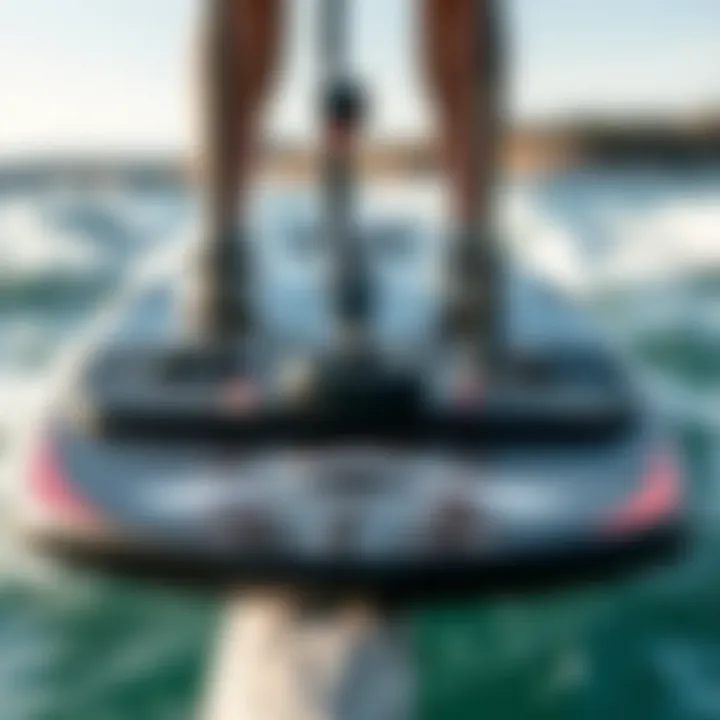
In understanding the cost of the Armstrong foilboard, it’s helpful to compare it with other models in the market. Similar manufacturers like Naish and Fanatic also produce foilboards that fall within a comparable price range. The price tags can vary significantly based on features and technologies included in the design.
Some key points in this comparison include:
- Price Range: Armstrong’s foilboards tend to sit at a higher price point, often starting in the higher-end spectrum of foilboards. When you consider what you get in return—quality craftsmanship, reliable performance, and lightweight materials—many riders find it justifiable.
- Features Offered: Some brands offer entry-level foilboards at reduced prices, but the features might be limited. Armstrong foilboards integrate advanced design technology that tends to enhance stability and control, especially beneficial for riders transitioning from beginner to intermediate levels.
- User Reviews and Feedback: The experiences of existing users often underscore the value assessment. Looking into forums such as reddit.com or kiteboarding enthusiasts' groups on Facebook can deliver a more rounded insight. Users frequently mention that investing in an Armstrong foilboard has greatly enhanced their overall performance compared to cheaper alternatives.
Investment vs. Performance
When assessing the value of the Armstrong foilboard, it's crucial to understand the relationship between your investment and the performance you receive. A well-considered purchase will yield benefits that far outweigh costs, especially as you refine your skills.
Consider the following:
- Enhanced Riding Experience: A higher upfront investment in a board designed for performance translates to better experiences on the water. Riders often note that smoother rides and better control can seriously amp up enjoyment, transforming a frustrating ride into a thrilling one.
- Skill Development: By selecting a piece of equipment that elevates your performance, you potentially accelerate your learning curve. What’s the value of learning faster? You spend more time enjoying the sport rather than battling poor equipment.
- Longevity and Durability: The Armstrong boards are designed to withstand wear and tear, meaning fewer replacements. Not only does this save you from spending more money in the future, but it also means less downtime due to equipment failure.
Ultimately, choosing the Armstrong foilboard boils down to making a strategic investment in your adventure. From user testimonials to prolonged durability, the calculation of cost versus value reveals a clear pathway for enthusiasts looking to enhance their kiteboarding journey.
"Your gear should inspire confidence, not inhibit your progress in the air or water."
In summary, evaluating cost and value allows riders to make informed choices about their equipment—necessitating a blend of financial considerations with an eye towards long-term performance enhancements.
Real-world User Experiences
When it comes to gear like the Armstrong foilboard, nothing puts its features to the test quite like real-world use. The opinions of those who ride regularly provide invaluable insights into what the foilboard actually performs like treading on the water. This section discusses various experiences shared by riders, emphasizing key elements such as performance reliability and adaptability across different conditions.
Testimonials from Riders
Rider feedback often serves as a mirror reflecting the practical capabilities of any piece of equipment. Here's a real taste of what riders are saying:
- Angela, an intermediate rider: "I was nervous stepping onto the Armstrong foilboard, but it quickly turned into my favorite. The stability is impressive, especially during gusty winds. I felt secure enough to push my limits."
- Mike, a seasoned professional: "I’ve tried many boards, but the user-friendly design of Armstrong encourages you to carve harder and push faster without compromising safety. I find I can maneuver effectively even at high speeds."
- Sam, a beginner: "The instructions were clear, and I appreciated the added safety features. It took me a few tries to get the hang of it, but once I did, I was gliding over the water like a pro!"
These testimonials not only highlight the performance traits valued by the users but also reflect a common thread of adaptability and comfort across a spectrum of skill levels. When riders feel thoroughly satisfied with their equipment, it leads to a more engaging and enjoyable experience over time.
Common Feedback Trends
Analyzing the feedback from multiple riders unveils patterns that can guide potential buyers in their decision making. A few recurring elements include:
- Durability: Users commonly comment on the lengthy lifespan of the board, even with frequent use in turbulent conditions. This longevity boosts the value proposition of the initial investment.
- Weight: Many riders appreciate the lightweight design, which contributes to nimble handling and ease of transport.
- Adaptability: Whether it's calm or choppy water, riders note that the Armstrong foilboard excels in varying conditions. This versatility can be a game changer for those who like to explore different settings.
Interestingly, some users pointed out areas for improvement as well, such as:
- Enhancements in Grip: A few riders found the foot straps could offer a bit more comfort and grip, especially during longer rides.
- Personalization options: While some enjoy the standard features, others expressed a desire for customizable add-ons to suit personal preferences.
A careful synthesis of these user experiences contributes to a clearer understanding of the Armstrong foilboard’s practicality in the real world. Interested individuals can leverage this pooled knowledge to align their preferences with the board’s capabilities. Assessing real-world insights becomes essential, enabling potential buyers to make informed decisions that resonate with their unique riding styles. Understanding the product through the eyes of fellow enthusiasts naturally leads to a richer connection with the sport itself.
Keeping a pulse on real user experiences can dramatically enhance not just the individual’s riding journey but also informs brands in refining their products.
For more discussions and shared experiences, check forums like Reddit's Kiteboarding Community or browse articles from Britannica for expert insights.
Future of Foilboarding
The future of foilboarding stands at a crossroads of innovation and exploration. As kiteboarding continues to evolve, so does the technology that enhances the experience on water. This section sheds light on the transformative trends and potential advancements that are shaping the future of foilboarding. Understanding these dynamics is vital for kiteboarders, outdoor enthusiasts, and gear manufacturers alike, especially as they strive to stay ahead of the curve in this rapidly advancing sport.
Innovations on the Horizon
The realm of foilboarding is buzzing with potential advancements. Many manufacturers are focusing on integrating cutting-edge materials and technologies to improve performance. From lightweight composites that allow for greater agility on the water to advanced hydrodynamic shapes that reduce drag, innovations are key to enhancing the rider's experience.
- New Materials: One significant trend is the adoption of advanced carbon fiber and other lightweight materials. These materials not only diminish the weight of the foil but also enhance durability, addressing common issues that arise with wear and tear.
- Smart Foils: Imagine a foilboard embedded with sensors that can provide real-time feedback on performance! These smart boards can assess speed, stability, and even suggest adjustments to enhance riding techniques.
- Eco-Friendly Designs: As environmental consciousness grows, so too does the drive for sustainable practices in product development. Manufacturers are investing in eco-friendly materials and production methods, reflecting a commitment to environmental stewardship.
This focus on innovation not only enriches the performance of the foilboards but also invites a new generation of riders who are eager for an elevated experience on the water.
Market Trends
As kiteboarding thrives in popularity, several trends are emerging within the market that are crucial for both manufacturers and consumers. Being in tune with these trends ensures that everyone—from novice kiters to seasoned pros—makes informed choices that enhance both safety and enjoyment.
- Increased Accessibility: One trend is the push for products that cater to a broader audience. Brands are now developing entry-level foilboards that provide stability and support, thus welcoming beginners into the fold. This increased accessibility is vital for expanding the sport's reach and encouraging more people to take up kiteboarding.
- Rental Markets: Following the rising interest in water sports, rental markets are booming. Riders who may not want to invest heavily can now access high-quality gear without the commitment. This not only boosts the industry's growth but also encourages a culture of shared experiences.
- Customization Options: Personalization plays a significant role in today's market. Many manufacturers offer customizable boards—riders can select colors, styles, and even performance features that suit their individual preferences. This caters to a desire for personal expression among enthusiasts.
In summary, the future of foilboarding is bright and filled with potential. Innovations are driving performance to new heights, while market trends are making the sport more accessible and personalized than ever before. For those who engage with these developments—whether as riders or manufacturers—the possibilities seem endless, promising a thrilling journey moving forward.
End
As we draw this deep dive into the Armstrong foilboard to a close, it's crucial to understand the significance of the insights shared throughout this article. The Armstrong foilboard is not merely a kiteboarding accessory; it is a well-engineered piece of technology that enhances the overall experience on the water. When considering the various elements we've explored—design, performance characteristics, suitability across skill levels, and safety considerations—it becomes evident that this equipment is integral to both novice and seasoned kiteboarders.
Final Thoughts on Armstrong Foilboard
In summarizing the attributes of the Armstrong foilboard, it’s important to reflect on how it caters to different riding styles and conditions. Riders looking for speed and maneuverability will find its efficient foil design truly enhances their capabilities on the water. Meanwhile, beginners can take comfort in the board's stability and user-friendly construction, minimizing risks as they learn the ropes.
Furthermore, the positive user experiences reiterated in testimonials showcase the trust riders place in this equipment. It’s not just about aesthetics or brand prestige; real-world performance captures the hearts and minds of adventure seekers.
Moreover, safety remains a priority in our discussion. Understanding the risks involved and equipping oneself with the proper gear is not optional. The Armstrong foilboard encourages such mindful practices among its users, fostering a culture of safety alongside adventure.
In essence, the Armstrong foilboard represent a fusion of innovation and practicality. The thoughtful design paired with durable construction provides significant longevity and performance satisfaction for riders at every skill level. Armed with this knowledge, kiteboarders can make informed decisions—whether stepping onto a foilboard for the first time or looking to upgrade their gear. As the sport continues to evolve, remaining attuned to advancements in technology and riding techniques enhances the kiteboarding landscape, keeping it dynamic yet accessible.
Ultimately, the world of foilboarding invites exploration, and the Armstrong foilboard may just be the vessel many will choose to harness the wind and waves in their quest for adventure.