Essential Kites for Beginners in Kiteboarding


Intro
Kiteboarding can feel like a lofty dream for many, but getting into the sport is more achievable than one might think. For those looking to soar above the water's surface, choosing the right kite is crucial. As a beginner, understanding the landscape of kite types, their features, and the essentials needed can make a world of difference in merging safety with performance. This article takes you through the necessary steps and insights to select your first kite, gear up properly, and build a foundation of skills that will set you on course for ranging waves.
Gear and Equipment
When stepping into kiteboarding, the right gear can be the backbone of your experience. Without it, even the most clear days on the water can turn into a frustrating mess. Here’s a breakdown of the essential components.
Essential Kiteboarding Gear: A Comprehensive Guide
- Kite Size
Choosing the right kite size is paramount. Larger kites catch more wind, making them suitable for lighter winds, while smaller kites pack a punch in stronger winds. For beginners, a medium-sized kite generally serves best, often in the range of 7 to 12 square meters. - Control Bar
Your control bar is like the steering wheel of your kiteboard experience. Look for a bar that’s comfortable to hold and offers quick-release mechanisms for safety. This will ensure you're able to manage the kite smoothly without excessive force. - Harness
A decent harness will sit snugly against your body while assisting you in controlling the kite. They come in two styles: seat and waist. A seat harness is more secure and can be easier for beginners, while a waist harness allows for more freedom of movement. - Kiteboard
The board should fit your weight and skill level. Most beginners start with a larger board, which provides more stability. Lightweight boards can improve control over time, so choosing a model that supports your growth is also worth considering. - Safety Gear
A helmet and impact vest are significant for any beginner. Safety gear protects you from potential falls or unexpected kite movements. Go for a vest that offers a snug fit but doesn’t restrict your movement.
Maintenance Tips for Kiteboarding Equipment
To keep your gear in prime condition, here are some maintenance tips:
- Rinse Your Gear: After each session, rinse your kite and gear with fresh water to remove salt or sand. Failing to do so can result in corrosion.
- Inspect Regularly: Check for wear and tear on lines, seams, and bladders. Addressing issues early can save you from larger problems later on.
- Store Properly: Keep kites in a cool, dry place away from direct sunlight to prolong their lifespan.
Techniques and Skills
Starting kiteboarding requires not just the right equipment, but also an understanding of basic techniques and safety protocols.
Beginner Techniques to Get Started with Kiteboarding
Gaining confidence on the water starts with mastering a few core techniques:
- Water Relaunch: Knowing how to relaunch your kite from the water is essential. Practice using the kite’s power to bring it back up safely.
- Body Dragging: This technique helps you learn how to control the kite while being pulled through the water. Start by lying back in the water and letting the kite pull you.
- Starting & Stopping: Practice managing your speed according to the wind and kites' power. Start small before progressing to more challenging maneuvers.
Advanced Maneuvers for Seasoned Kiteboarders
Once you’ve got the basics under your belt, more advanced moves will come naturally. Some popular maneuvers include:
- Jumps: Learning to jump effectively increases your control and confidence.
- Tricks: Simple tricks like spins can add flair to your style and enhance your connection with the kite.
"Kiteboarding balances the art of control with the thrill of speed. It’s about finding harmony on the water."
As a beginner, seeking guidance from a coach or experienced rider while practicing can save you from developing bad habits. This comprehensive understanding of the tools at your disposal combined with foundational techniques will help you step boldly into your kiteboarding journey, confident in your abilities and choices.
Prolusion to Kiteboarding
Kiteboarding is not just a sport; it's a lifestyle that melds adventure with the thrill of riding on water. As the sun kisses the horizon, and the wind whispers promises of excitement, more and more enthusiasts feel the urge to take a leap into this exhilarating world. Understanding the basics of kiteboarding is crucial for newcomers, and this section sets the stage for that journey.
One essential element to grasp is that kiteboarding is as much about the equipment as it is about the skill of riding. The right kite acts as a lifeline, propelling a rider over waves or gliding along the water's surface. Choosing suitable gear isn’t merely a matter of preference; it significantly impacts safety, performance, and overall enjoyment. To find fulfillment in the sport, one must pay close attention to the selection of their first kite.
Overview of the Sport
Kiteboarding combines elements of surfing, windsurfing, and paragliding, appealing to those yearning for both adrenaline and tranquility. It allows participants to harness the power of the wind, translating gusts into a dance of movement across water. Participants of all skill levels can find joy in this sport, whether catching a gentle breeze or mastering challenging tricks.
Kiteboarding isn’t just about grabbing a kite and a board. It involves understanding wind patterns, safety protocols, and most significantly, how to operate the equipment. Moreover, being part of this community opens up avenues to connect with others who share a love for adventure, making every outing a social event, a chance to learn, and an opportunity to explore.
The Importance of Choosing the Right Gear
When stepping into the realm of kiteboarding, embarking with the right equipment is crucial. It begins with selecting a kite that aligns with one's weight, skill level, and local wind conditions. Initially, beginners might feel tempted to go for flashy or top-of-the-line options due to their appeal. However, this can lead to frustration down the line if the chosen kite isn’t suited for basic maneuvers.
Investing time in understanding the different types of kites available, their features, and how they respond to diverse wind conditions can lead to a more enjoyable and safer experience. For instance, a larger kite might be ideal in light winds, but it can become unwieldy in stronger gusts, impacting control.
"The winds of change are always blowing. Kiteboarding is about harnessing them wisely."
In the pursuit of the perfect kite, consider these factors:
- Skill Level: A kite designed for beginners often offers more stability and easier handling.
- Winds: Understanding if the local conditions lean toward strong gusts or gentle breezes is vital for gear selection.
- Size Matters: The right kite size can make all the difference regarding lift, control, and potential accidents.


Ultimately, diving into kiteboarding requires a balanced mix of excitement and careful consideration. Taking time to understand the sport and its equipment can enhance the experience and reduce risks, making the thrilling journey a smooth sail from the start.
Understanding Kite Types
Choosing the right kite in kiteboarding isn’t just about picking something colorful from a shop. It’s about understanding the characteristics, performance, and intended use of different kite types. Each kite has its own benefits and considerations, making it crucial for beginners to grasp these distinctions early on. Knowing which kite works best for certain conditions can enhance the rider's experience on the water tremendously.
Leading Edge Inflatable (LEI) Kites
LEI kites are perhaps the most popular choice for beginners. These kites are recognizable by their inflatable leading edge, which provides stability and makes them easier to handle. One of the significant advantages of LEI kites is their wind range capability. They work well in lighter winds and can handle stronger gusts, offering novice riders a chance to adapt swiftly to changing conditions.
The design of LEI kites often includes a depower capability, allowing riders to control the power by adjusting the bar. This feature is particularly useful for beginners who might struggle with sudden pulls or gusts, helping them maintain better control as they learn. Additionally, LEI kites allow for relaunching from the water with relative ease, an aspect that every newcomer should consider.
Another point worth mentioning is the flying characteristics of LEI kites. They tend to have a more forgiving nature and are built to provide steady flight. This matters significantly for first-timers, as confidence builds more readily when a kite behaves reliably.
C-Kites and Delta Kites
Diving into C-kites and Delta kites, we find designs tailored for performance yet require a deeper understanding. C-kites deliver a punchy performance, favoring power and responsiveness, making them popular among seasoned kiteboarders. However, that same vigorous nature can be a hurdle for beginners. Their limited wind range ties them closer to strong winds, making them less suitable for those still acquiring basic skills.
On the other hand, Delta kites cater more towards stability and versatility. Their unique shape allows for ease of use and a broad wind range. They are more forgiving than traditional C-kites and offer a great option for learners wanting to progress without constantly feeling overpowered. However, while Deltas are still manageable for novices, they may not generate enough pull for all skills levels.
Thus, while these kite types present an avenue for skilled riders, care should be exercised when considering them as a first kite. It might be wise for beginners to master the basics on more stable designs before transitioning.
Foil Kites and their Applications
Foil kites present a different kettle of fish altogether. These kites do not rely on inflatable components, using the pressure of the wind to create shape instead. This unique design can be less forgiving in turbulent conditions, which may not be ideal for someone just starting out. However, they do shine in light winds, making them a choice for beginners keen on exploring conditions where LEI kites struggle.
The lightweight nature of foil kites expands their suitability for various activities beyond kiteboarding. They can be employed in snowkiting or even landkiting, making them a versatile option. Beginners will find they can appreciate how these kites perform across different environments, but the learning curve may be steeper compared to LEI kites.
When considering purchasing a foil kite, it's vital to think about the conditions you’ll primarily be riding in. Being underprepared or overwhelmed by the kite's capability can lead to an all-around confusing experience.
Understanding kite types lays the groundwork for any prospective kiteboarder. By grasping the nuances between LEI, C-kites, Delta kites, and foil kites, beginners can make informed decisions that align with their skill level and the conditions they wish to ride in. This initial knowledge not only builds confidence but also enhances overall enjoyment, ensuring the kiteboarding journey is off to a favorable start.
Key Features to Consider
When it comes to selecting the right kite, beginners often find themselves lost in a sea of choices. However, focusing on key features can simplify the decision-making process, ensuring that you not only choose a kite that fits your needs but also enhances your learning experience in kiteboarding. Key attributes such as size and aspect ratio, durability and material quality, as well as control and stability are essential to keep in mind. By understanding these elements, newcomers can make informed choices that align with both their skill level and aspirations.
Size and Aspect Ratio
The size of the kite and its aspect ratio are pivotal when starting out. The size usually refers to the surface area of the kite, measured in meters. Generally speaking, larger kites generate more power and lift, making them suitable for lighter wind conditions, but they can also be trickier to control. For beginners, selecting a kite size between 8 and 12 meters is often advisable. This range balances power and manageability.
Aspect ratio, on the other hand, indicates the shape of the kite. A higher aspect ratio means a longer and narrower kite, which tends to perform better in higher winds but is less forgiving for newcomers. In contrast, a lower aspect ratio kite offers more stability and is easier to handle on the water, making it the go-to choice for those just getting their feet wet in kiteboarding.
"Choosing the right size and aspect ratio lays the groundwork for a smoother learning curve."
Durability and Material Quality
Kiteboarding can be a rough and tumble sport. Therefore, the durability and material quality of your kite cannot be overlooked. High-quality fabrics, such as ripstop nylon or polyester, can stand up to the strains of strong winds and are less likely to tear or rip. When selecting a kite, look for reinforced seams and high-quality stitching—these small details often make a World of difference in durability.
In addition to the fabric, the overall construction of the kite should be robust enough to withstand crashes and hard landings, which are common for new riders. Opting for a kite built with tough materials might come with a slightly higher price tag but can save you money in the long run by reducing the need for repairs and replacements.
Control and Stability
Control and stability are fundamental to a positive kiteboarding experience, especially for novices who are still mastering the interplay between steering the kite and balancing on the board. A kite that offers smooth and predictable responsiveness to input is essential. When the kite has good stability, beginners can spend less time worrying about erratic behavior and more time focusing on their riding techniques.
Look for kites with advanced features such as reliable bar systems and adjustable power settings. A kite with a wider wind range can also provide opportunities for practice on various days without the need for constant gear changes. With stable control, beginners can not only gain confidence but also progress faster when experimenting with new maneuvers.
In summary, paying attention to size and aspect ratio, durability and material quality, alongside control and stability, can tremendously influence a beginner's kiteboarding journey. Making well-informed choices sets the stage for a rewarding experience in this thrilling sport.
Best Conditions for Beginners
Understanding the best conditions for kiteboarding is essential for beginners. Getting the hang of this exhilarating sport is much easier when the environment supports learning rather than hinders it. New riders need to focus not just on the type of kite they're using but also on when and where they practice. Factors such as wind speed, water conditions, and even the area’s layout play a significant role in shaping a beginner’s experience. A favorable setup allows new kiteboarders to build confidence and develop their skills without unnecessary risk.
Wind Conditions and Locations
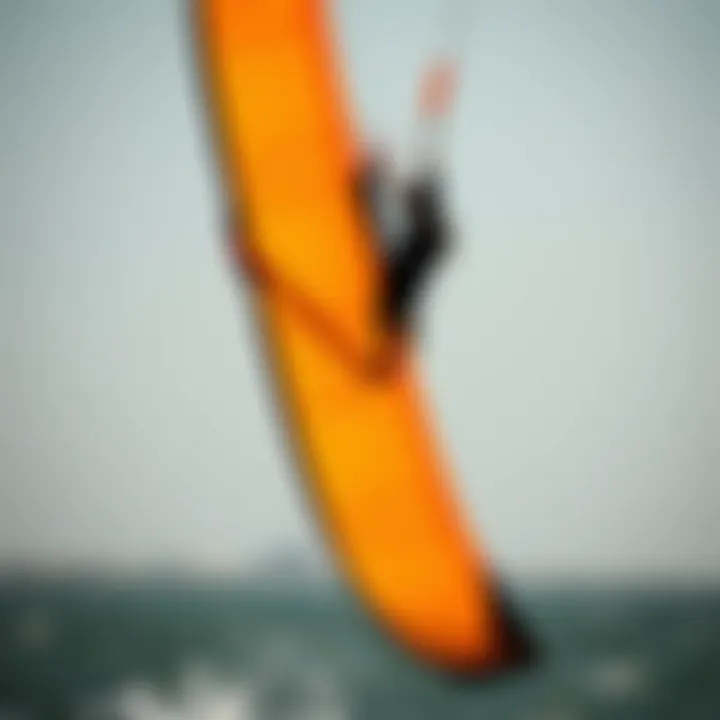
When it comes to kiteboarding, wind is king. It influences everything from how the kite performs to how long you can stay airborne. Ideally, beginners should seek locations with steady, moderate winds, usually ranging from 10 to 18 knots. In such conditions, riders can feel the power of the kite without being overpowered.
Key Elements to Consider for Wind Conditions:
- Consistency: Choose spots where the wind direction and speed don’t fluctuate wildly. Steady breezes help a lot in learning basic maneuvers.
- Open Spaces: Locations free from obstructions, like buildings and trees, allow the wind to flow naturally and reduce turbulence.
- Local Conditions: Research the area carefully. Coastal spots often have reliable wind, while inland locations can vary dramatically.
Some popular kiteboarding locations for beginners include places like the beaches of Tarifa, Spain or Kite Beach in Cape Town, South Africa. These areas are known for their favorable conditions.
Those looking to practice should also pay attention to the water conditions. Flatwater sites tend to be best for newbies since they minimize the chance of wipeouts and allow for smoother learning. Areas with waves are more suited to advanced riders who can handle the additional challenges presented by choppy waters.
Safety Precautions for New Riders
Safety can’t be overstated in kiteboarding, particularly for those just starting out. New riders should always equip themselves with knowledge about the necessary precautions. It’s important to be aware of personal safety gear and environmental factors that could lead to risky situations.
Essential Safety Measures Include:
- Wear a Life Jacket: A buoyancy aid is nearly non-negotiable, especially for beginners. Even if you’re a good swimmer, this can provide an extra layer of security.
- Use a Safety Release System: Make sure your kite has an effective safety release mechanism. Learn how to use it in case you need to detach from the kite quickly.
- Buddy System: Whenever possible, ride with a partner. Having an experienced kiteboarder around can offer instant support — and a second set of eyes is always useful.
Also, consider taking professional lessons. Instructors teach you how to handle different conditions safely, which drastically reduces the chance of accidents.
In summary, being mindful of the conditions and following essential safety guidelines helps beginner kiteboarders hone their skills effectively while minimizing risks.
Remember, a safe ride always leads to a more enjoyable experience in kiteboarding. It’s not just about getting up on the board; it's about enjoying the thrill while staying safe.
Top Beginner Kites
Choosing the right kite is a cornerstone for anyone starting their journey in kiteboarding. The world of kites can feel overwhelming with so many options out there, but knowing what to look for can make all the difference. The aim is not just to float above the water but to learn safely while enjoying the thrill this vibrant sport offers. Having a well-suited kite can help newcomers gain confidence and ease into the sport gracefully.
Product Reviews and Recommendations
When it comes to the best beginner kites, there are four standout options that encapsulate both performance and safety. Each of these kites has its unique attributes, tailored for the less experienced rider.
- North Reach - Often celebrated for its stability, the North Reach combines user-friendliness with impressive performance. It features a large wind range, allowing new riders to use it in various conditions, which is a great boon when you're just starting out.
- Duotone Evo - This kite shines because of its versatility. The Evo is forgiving and easily controlled, making it a favorite among beginners. It's designed to improve skills without demanding too much from the rider, which is exactly what novices need.
- Cabrinha Switchblade - Renowned for its solid construction, the Switchblade provides an excellent mix of performance and ease of use. Its reliability in different wind conditions offers peace of mind for new kiteboarders.
- Ozone Catalyst - Known for its lightness, this kite is super responsive, ideal for learning basic maneuvers. Additionally, it’s crafted from durable materials, making it a long-term investment for starters.
Every kite mentioned has been tried and tested by many in the kiteboarding community, offering ratings that align perfectly with what beginners seek in their first kite. Additionally, local retailers often provide demo models, allowing you to try before you buy, which can ease the anxiety around making a significant investment.
Price Range Considerations
When looking at kites for beginners, it's essential to understand the price spectrum. Entering the sport requires careful budgeting, as prices can range anywhere from $300 to $1,500 or more, depending on brand and model.
- Budget Kites ($300-$600): These are typically designed for beginners, offering enough functionality to learn the basics. While they may lack some advanced features found in pricier models, they perform adequately for new kiteboarders. Consider brands like CrazyFly or Airush that cater to more budget-friendly options.
- Mid-Range Kites ($600-$900): Kites in this category balance quality and performance. They are often produced by well-known brands and are durable enough to withstand the learning phase while providing a bit more performance. Naish and Slingshot have strong offerings here.
- High-End Kites ($900+): These are for those who might be ready to invest more after gaining some proficiency. They usually feature the latest technology, exceptional durability, and are more suited for varied and challenging conditions. Opting for brands like F-One or Naish will ensure you're getting a kite that can grow with your skills.
While starting with a budget-friendly kite makes sense for most, it's advisable to consider factors like warranties and the potential resale value. Investing a little more might save you money in the long run. As the saying goes, "you get what you pay for", and this holds true in the kiteboarding world.
"Get a good kite and you won’t regret it, skimping can lead to frustration on the water."
In wrapping up this segment, understanding these beginner kites and their price ranges helps clarify your choices. Getting the right kite suited for your skill level can transform your first kiteboarding experience from daunting to exhilarating!
Maintenance and Care for Your Kite
Taking care of your kite is like tending a garden; neglect it, and it may wither away. Proper maintenance and care ensure that your kite remains in optimal condition, significantly enhancing your experience on the water. Whether you’re just starting or you’ve caught the bug for a while, knowing how to look after your gear can prolong its life and improve performance. Let's dive into why these practices are crucial and how they help you maximize your kiteboarding adventures.
Cleaning and Storage
A kite is an investment, and taking the time to clean and store it correctly can save you money down the road. After each session, your kite inevitably picks up sand, salt, and moisture. This build-up can weaken the fabric and affect performance.
- Rinsing Off: It’s a simple process; just give your kite a good rinse under fresh water. This step helps to eliminate any salt or sand that might cause damage. After rinsing, lay your kite flat on a flat surface.
- Drying: Ensure that the kite is completely dry before packing it away. Leaving it damp can lead to mildew, which is as unwanted as a rain cloud on a sunny day.
- Storage Location: When it comes to storage, avoid leaving your kite in the sun for extended periods. Ultraviolet rays can degrade the fabric. Storing the kite in a cool, dry place, preferably in its original bag, will keep it safe and sound.
"Taking care of your kite is just as important as mastering the techniques of kiteboarding. Pushing both can lead you to greater heights!"
Regular Inspections for Safety
Inspecting your kite is vital for ensuring both your safety and your kite's longevity. Regular checks can help identify any wear and tear before you hit the water. Here are some key points to keep in mind:
- Check the Lines: Examine your lines for fraying or nicks. Lines are often overlooked, but they are critical for performance and safety. A worn line could snap mid-ride, leading to accidents.
- Inspect the Bladders and Fabric: Look for any leaks and punctures in the bladders and damage in the fabric. Minor repairs can be tackled by yourself, but it's crucial to catch such issues early on.
- Hardware: Make sure the clips, buckles, and connection points are not corroded or damaged. These small components can make a big difference in your kite's performance.
In sum, taking the time to maintain and care for your kite will ultimately lead to smoother rides and safer sessions on the water. Just like you wouldn’t drive a car without ensuring proper maintenance, don't take to the skies without checking your gear. Proper maintenance isn't just a chore; it's an essential step towards a fulfilling and enjoyable kiteboarding experience.
Learning to Ride
Getting on the board and soaring across the water is the moment every beginner kiteboarder dreams of. However, learning to ride is not just about strapping your feet onto the board; it encompasses a series of critical steps that shape your experience in this exhilarating sport. Understanding how to ride effectively is paramount to enjoying your time out on the water while maintaining safety and control.
Consider Professional Lessons
The value of professional lessons cannot be overstated. From my experience, having a qualified instructor by your side makes the learning curve less steep. They teach you the essentials while instilling confidence, which is vital when it comes to tricky maneuvers and techniques. Here’s why going the professional route can be a game-changer:
- Structured Learning: Instructors have a systematic approach. They start with the basics and gradually build your skills.
- Safety First: Professionals emphasize safety protocols that you might overlook as a novice, ensuring you understand the risks involved and how to mitigate them.
- Feedback and Correction: Real-time feedback from instructors helps you correct mistakes instantly, preventing bad habits from forming.
In summary, investing in professional lessons can fast-track your journey. It’s worth every penny to sidestep common pitfalls that beginners often face.
Practicing Techniques on Land
Once you've had a few lessons, it’s time to hone your skills before hitting the water. Practicing on land may seem trivial, yet it plays a crucial role in sharpening your control over the kite and board. Here are some ways to make the most out of your practice sessions:
- Kite Handling: Get familiar with the kite’s movement on land. Practice flying the kite in a controlled area. Learn how to steer and control the power in the wind without the added complexity of a board.
- Board Skills: Use a skateboard or a landboard to mimic the movements needed for kiteboarding. This helps you get used to the balance and stance without anxiety about the water.
- Safety Drills: Conduct imaginary drills where you simulate emergencies or accidents. Understanding what to do in a jam is half the battle and can mean the difference between a good experience or a bad one.
Practicing on land offers a unique opportunity to build confidence and technique without the pressure of water conditions. Plus, it helps solidify your understanding of kite dynamics, setting you up for success when you finally take to the waves.
"Mastering the fundamentals on the ground prepares you for the thrill of riding over water."
Learning to ride is more than just the act of getting up on the board; it’s about patience, persistence, and preparation. As you embark on your kiteboarding expedition, remember that each small step contributes significantly to your confidence and overall enjoyment in this dynamic sport. Dive deep into the details, employ safe practices, and keep your eyes on the horizon.
Community and Resources
Engaging in kiteboarding isn't just about mastering the art of controlling your kite; it’s equally about connecting with others who share your passion. Building a community can significantly enhance your learning experience and provide support as you embark on this thrilling adventure. Here, we dive into the different resources available that can aid beginners in navigating through the exhilarating world of kiteboarding.
Joining Local Kiteboarding Groups
When you first step onto the sandy beaches or into the water for kiteboarding, the presence of a local group can be a game changer. Joining local kiteboarding groups or clubs opens a door to valuable resources. These groups often offer:
- Guided Lessons: Most local kiteboarding clubs provide lessons tailored for beginners. Having an experienced mentor watching your back can take a lot of pressure off when you’re just starting out.
- Shared Knowledge: Being part of a group means you gain access to a wealth of experience. Members often freely share tips, tricks, and even their personal experiences, making the learning curve less steep.
- Community Events: Participate in local competitions or social gatherings. Such events don’t just provide an opportunity to show off your skills, but also great chances to meet fellow enthusiasts. The camaraderie can make the sport even more enjoyable.
- Gear Exchange/Support: Buying new gear can quickly drain your pocket. Many communities have platforms or events where equipment can be borrowed or sold at reduced rates.
In essence, being part of a local kiteboarding group not only helps in developing skills but also fosters friendship. You’re not just a lone sailor in the vast sea of kiteboarding; you have a crew ready to help you navigate.
Online Forums and Social Media Groups
In today's digital age, the power of online communities cannot be overstated. Online forums and social media groups are platforms to connect with kiteboarding enthusiasts globally. They allow you to:
- Exchange Tips: Whether you're struggling with a specific maneuver or searching for the best kite maintenance practices, online communities are a goldmine for advice.
- Access to Resources: Many forums regularly share tutorials, informative articles, and videos. These resources can supplement your learning and help you grasp concepts more firmly.
- Stay Updated on Gear Releases: Being part of these groups often gives you a heads-up on new gear releases, sales, and trade opportunities.
- Networking Opportunities: Connecting with fellow kiteboarders across various regions can open doors to kiteboarding trips and meetups, enriching your experience beyond local waters.
Some recommended platforms include pages dedicated to kiteboarding on Facebook, such as maximize-kiteboarding (facebook.com/maximize-kiteboarding), or in-depth forums like reddit.com/r/Kiteboarding.
"A community of like-minded souls can make all the difference in transforming a new hobby into a lifetime passion."
The End
In wrapping up our discussion on kites for beginners in kiteboarding, it’s crucial to emphasize the central themes presented throughout this article. The selection of the right kite is not just a matter of personal preference; it significantly influences your learning curve and overall enjoyment of the sport. Beginners often find themselves overwhelmed with choices, but understanding the nuances of different kite types and their features helps to streamline your decision-making process.
Recap of Key Points
- Understanding Different Kite Types: It is essential to grasp the distinctions between Leading Edge Inflatable kites, C-kites, Delta kites, and foil kites. Each type comes with its unique advantages and limitations, catering to various preferences based on wind conditions and skill levels.
- Key Features to Look For: When picking a kite, consider factors like size, aspect ratio, and material quality. Each feature plays a role in how well the kite will perform, particularly in the hands of a novice, who requires gear that’s forgiving and easy to maneuver.
- Learning and Safety Measures: Professional instruction and taking the time to practice on land are invaluable for new riders. Safety should always be a priority, which means understanding your kite and the environment is fundamental.
- Community and Resources: Getting involved with local kiteboarding groups or online forums can be incredibly beneficial. Not only do they provide crucial support and guidance, but they can also enhance your experience by connecting you with others who share your passion.
Finally, don’t underestimate the importance of maintenance. Regular care of your kite ensures longevity and reliability, which are critical as you advance in your skills. All these considerations are like the threads of a fabric, woven together to create a rich and fulfilling kiteboarding experience.
"Kiteboarding is not just a hobby; it's a journey. Selecting the right kite is your first step into a world of adventure."
In essence, being well-informed will allow you to navigate the waters with confidence, making your venture into kiteboarding enjoyable and safe.