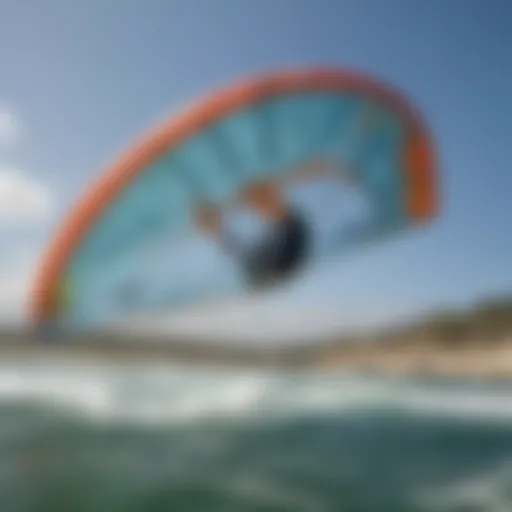
Top Global Spots for Learning Kitesurfing Effectively

Intro
Kitesurfing has gained a loyal following among adventure lovers and watersport enthusiasts. But for anyone just stepping into this exhilarating world, finding the right spot to take those first lessons is critical. The right location not only affects the learning curve but also adds to the overall experience. From breath-taking beaches to windy expanses, the variety in options is immense. In this piece, we’ll break down ideal places to learn kitesurfing and what each one has to offer.
Beyond the beautiful vistas and gusty winds, understanding local conditions, safety protocols, and training resources can make or break your initiation into kitesurfing. This exploration will help beginners get a grip on both the sport and the enviable lifestyle it offers.
Gear and Equipment
Essential Kiteboarding Gear: A Comprehensive Guide
When you’re diving into kitesurfing, having the right gear is paramount. This sport requires specific equipment to ensure safety and enhance the overall learning experience. Here’s a list of essentials:
- Kite: Choosing the right size and type of kite according to your wind conditions and body weight is your first step. A larger surface area is best for light winds, while smaller kites are suited for stronger gusts.
- Board: Options vary from twin-tips to directional boards. As a beginner, a twin-tip board offers versatility and ease of use.
- Harness: Your connection to the kite. A waist harness offers more freedom of movement, whereas a seat harness provides comfort for those just starting out.
- Safety Gear: Helmets, impact vests, and harness leash systems are not just smart choices, they are non-negotiables for a safe experience.
- Wetsuit: Depending on your chosen location and the time of year, a wetsuit helps maintain body temperature in cooler waters.
In addition to having quality gear from trusted brands like Duotone or Naish, it can really help to have backups. A malfunctioning kite or board can ruin an otherwise fantastic day.
Maintenance Tips for Kiteboarding Equipment
Taking care of your gear will ensure longevity and performance. Here are some tips:
- Dry It Out: Always rinse your equipment with fresh water and dry it properly after each use to prevent salt buildup and corrosion.
- Inspect Regularly: Check lines, kites, and boards for any signs of wear or damage after each session. Address any issues before they escalate.
- Store Correctly: Ensure you store your equipment in a cool, dry place, away from direct sunlight.
Techniques and Skills
Beginner Techniques to Get Started with Kiteboarding
Once you’ve got your gear sorted out, it’s time to dig into some techniques that will shape your foundation:
- Body Dragging: This common starter skill helps you get familiar with handling the kite while in the water.
- Water Starts: Learning to get onto your board while managing the kite’s power is the next big milestone. It’s essential for making progress.
- Basic Turns and Stops: Understanding how to control your board speed and directions is key.
Advanced Maneuvers for Seasoned Kiteboarders
Once you’ve got the basics down, there are plenty of advanced techniques to master. Some might include:
- Jumps: Adding height and style to your riding can make for an electrifying experience.
- Transitions: These allow you to change directions smoothly without losing speed, and can really impress fellow kitesurfers.
- Unhooked Tricks: For experienced riders, unhooked moves can take skills to the next level, but they come with a learning curve.
"Kitesurfing is not just an activity; it’s a unique blend of thrill, freedom, and connection with nature."
Intro to Kitesurfing
Kitesurfing, often dubbed as a thrilling marriage of surfing and flying, has increasingly become a cornerstone in the realm of water sports. When we explore ideal locations for learning this captivating sport, it’s essential to understand the foundational aspects of kitesurfing. Not just a recreational activity, kitesurfing merges strategy, agility, and adaptability, embodying a unique confluence of natural elements.
Learning kitesurfing opens doors to an exhilarating lifestyle and fosters a profound appreciation for the wind and waves. Given its rapid global growth, thousands of people are discovering the joy that comes with mastering this skill, and selecting the right learning environment is crucial.
As more enthusiasts aspire to ride the winds, many factors come into play. Wind conditions, water quality, safety measures, and even the local community can dramatically enhance or inhibit a learner's experience. The right location can mean the difference between a day of frustration or a moment of pure exhilaration, making the discussion about ideal learning locations not just relevant, but vital for aspiring kitesurfers.
In this section, we will break down the definition of kitesurfing and delve into its growing popularity, touching on how this excitement is drawing people from various backgrounds into the kitesurfing fold.
Criteria for Choosing the Right Learning Location
Choosing the right spot to take up kitesurfing is a pivotal step for beginners. The wrong environment can lead to discouragement—whew!—while the right one can set the stage for an exhilarating experience. When considering where to learn, several critical factors come into play; the blend of these elements can either make or break a budding kiteboarder’s journey.
Wind Conditions
Wind is the lifeblood of kitesurfing. Good wind conditions are essential to ensure a smooth learning phase. Novices generally require steady winds, typically within the range of 12 to 25 knots, to ensure that they can have enough power without getting overwhelmed. Locations, such as Cape Town, offer great reliability in terms of wind strength and consistency. These conditions allow learners to gradually build up their skills and confidence without fear of being blown away.


Without consistent wind, learning can feel like trying to drive a car with an empty tank—frustrating, to say the least. It is advisable to check historical wind patterns of a location before finalizing your travel plans.
Water Quality and Safety
Safety factors predominantly influence where to go for kitesurfing. Clear water, free of debris and dangerous undertows, is vital. Beginners should look for spots with flat, shallow water, which not only aids quicker learning but also minimizes injuries. Places like Bonaire provide an ideal environment with flat waters that are easy to navigate.
Substandard water quality can lead to accidents that can sour the experience. It's not only about avoiding collisions but also ensuring that the area is monitored and free of hazards. Always ensure that local schools provide safety briefings about potential pitfalls in the water, like currents or marine life.
Local Amenities and Accessibility
When picking a learning location, practical aspects related to accessibility and available amenities cannot be overlooked. Proximity to beach clubs, equipment rental shops, and accommodation facilities is crucial. Areas like Tarifa have a variety of accommodations, from camping to luxurious hotels, catering to all kinds of budgets. Plus, having access to food, restrooms, and shower facilities makes the experience much more pleasant, allowing learners to focus completely on mastering their new skills.
Consider seasonal peak times as well. Some locations can get incredibly busy with tourists; managing your expectations around availability for lessons, equipment, and space in the water is key. Being a bit off the beaten path can sometimes provide a perfect blend of peace and adventure.
Community and Support Networks
Finally, the significance of a learning community should not be underestimated. Friendly faces in the kitesurfing scene can offer support that makes all the difference. Are there local clubs or online communities? Engaging with instructors and fellow learners can boost motivation while creating lasting friendships. Access to social networks encourages novices to share experiences, enhancing the learning curve tremendously.
For instance, if you're in Maui, you might stumble upon a local Facebook group where enthusiasts share tips, equipment rentals, or even plan meet-ups at the beach. Connecting with like-minded individuals is a real boon and can elevate your kitesurfing game significantly.
"The right location for learning kitesurfing is not just about the wind and water, it’s about ensuring that you’re in a supportive environment surrounded by community."
Top Global Destinations
When searching for the perfect place to learn kitesurfing, picking the right destination is half the battle won. Each location comes with its unique weather patterns, facilities, and community vibes that can dramatically impact your learning experience. Personal preferences often steer novice kiteboarders toward certain spots, whether it's the lure of stunning ocean vistas, the promise of friendly local instructors, or perhaps the buzz of a lively social scene. Choosing a destination that tickles your fancy can make all the difference in mastering this exhilarating sport.
Cape Town, South Africa
Unique Wind Patterns
Cape Town is famous not just for its breathtaking landscapes, but also for the unique wind patterns created by its geographical features. The Cape Doctor, a strong southeasterly wind, offers ideal kitesurfing conditions, particularly during the summer months. For learners, this consistent wind provides a steady environment that assists in building confidence. However, these winds can be quite gusty, which may be challenging for absolute beginners. The varied conditions also allow for skill improvement as enthusiasts progress.
Local Schools and Instructors
The presence of numerous kitesurfing schools in Cape Town guarantees that aspiring kitesurfers receive quality instruction. Schools such as The Perfect Wave and Cape Town Kitesurfer provide tailored lessons to accommodate all skill levels. Instructors are well trained and familiar with the local conditions, which means they can offer valuable advice on navigating the breezy waters. This ensures you not only learn the ropes, but also develop safe habits—essential for anyone in this sport.
Community Experiences
What sets Cape Town apart is its vibrant kiteboarding community. With events and competitions taking place regularly, beginners can witness the progression of the sport while mingling with seasoned kitesurfers. This kind of communal spirit is crucial for networking and support, especially for newcomers eager to learn. Being part of this community doesn't just enhance the learning experience, it offers friendships and memories that can last a lifetime.
Tarifa, Spain
Consistent Winds
Known as the kitesurfing capital of Europe, Tarifa boasts consistent winds drawn by the convergence of both the Atlantic Ocean and the Mediterranean Sea. This geography creates not only an inviting climate for learners but also a playground suitable for every level of skill. The reliable winds make it a favorite among budding kiteboarders as they can focus on their technique without constantly checking the weather forecast. However, during peak windy seasons, it’s crucial to be cautious as the strong gusts might overwhelm some novices.
Gear Rental and Shop Availability
Tarifa shines with its abundance of gear rental shops and kitesurfing boutiques sprinkled throughout the town. This accessibility reduces the burden of investing heavily in equipment before you’ve even mastered the basics. Shops like Kiteworld Tarifa offer everything from beginner kites, boards, and safety gear, allowing learners to try different setups to find what best suits them. Being able to rent quality gear ensures that one can learn without significant financial strain.
Social Scene
The social milieu in Tarifa is equally compelling. Not only do you find kiteboarders sharing stories after a session, but the bustling nightlife and beach bars create an atmosphere buzzing with energy. It’s a place where lifelong friendships are forged over shared experiences. The diversity of nationalities present offers an opportunity to meet people, broaden cultural horizons, and indulge in storytelling around bonfires after kitesurfing sessions.
Maui, Hawaii
Stunning Scenery


Maui stands out for its incredible vistas and lush landscapes. The picturesque beaches, turquoise waters, and golden sands appeal to many aspiring kitesurfers. Practicing kiteboarding here feels as wonderful as it is rewarding. The visual stimulation creates a motivating environment for learners, fostering a deeper connection with nature. However, it is essential to be aware of more crowded spots, which might add a level of complexity to the learning experience.
Safety Measures and Regulations
Hawaii is particularly vigilant about safety measures and regulations concerning water sports. All kitesurfers, especially beginners, must adhere to certain guidelines designed to protect users and marine life alike. Schools are diligent about educating novices on these important protocols, which is a significant plus for anyone concerned about safety while on the water.
Local Kiteboarding Culture
Maui’s kiteboarding culture embodies a unique blend of laid-back island lifestyle with a passionate pursuit of the sport. This cultural backdrop enhances the overall experience for learners. Local residents are often enthusiastic about sharing their knowledge, offering tips not just on kitesurfing but also on exploring the beautiful oceanic environment that surrounds. This welcoming culture makes the challenging learning curve feel less daunting.
Bonaire, Caribbean
Flat Water Conditions
Bonaire is revered for its flat water conditions, which are highly conducive for novice kiteboarders. The shallow, warm waters create an ideal learning environment where beginners can practice without the fear of dealing with large waves. This comfort helps to build foundational skills essential for progressing into more advanced techniques. However, learners should remain mindful of coral reefs that may not be apparent.
Educational Programs
Educational programs in Bonaire cater to beginners through structured courses. Organizations like Bonaire Kitesurfing offer lessons that incorporate the natural surroundings, blending skill development with environmental awareness. These lessons meld practical skills with preservation techniques, creating responsible kiteboarders who appreciate the delicate nature of their surroundings. Yet, it’s essential to ensure these programs are suitable for your specific skill level before jumping in.
Marine Life and Environment
Being submerged in the beauty of Bonaire’s marine life is both alluring and advantageous for learners. Not only does the opportunity to see colorful fish and coral life create an enriching experience, it underscores the importance of respecting the marine ecosystem while kiteboarding. However, certain areas may be fishing zones or protected marine environments, thus becoming crucial for learners to gain insight into local regulations regarding respectful practices in these territories.
Dakhla, Morocco
Wind and Water Conditions
Dakhla is famous for its exceptional wind and water conditions, making it a hotspot for kitesurfers from all skill levels. The unique geography of the region creates perfect waves, with consistent thermals throughout the year. For learners, this means ample opportunity to improve quickly—after mastering the basics, smooth summer conditions present exciting prospects for growth in technique.
Training Facilities
The extensive training facilities in Dakhla often have state-of-the-art equipment and qualified staff. Schools like Dakhla Attitude offer a full spectrum of learning options, including private lessons and group sessions. These structured training facilities pay close attention to safety and skill adaptation, setting learners up for success, but it is also important to check testimonials about schools beforehand to ensure quality teaching.
Local Cuisine and Culture
Dakhla’s cultural landscape is another selling point, often leaving a memorable imprint on visitors. The local cuisine offers everything from fresh seafood to hearty tagines reflecting Moroccan influence. Getting a taste of genuine Moroccan hospitality after a long session in the water helps in making an enriching experience not just about kitesurfing but about immersion into the local lifestyle. These cultural exchanges can enhance your overall time spent in Dakhla, making it more than just a place to learn a sport.
Emerging Destinations for Kitesurfing Learning
With the sport of kitesurfing gaining traction across the globe, sometimes the best learning experiences are found off the beaten path. Exploring emerging destinations for kitesurfing presents opportunities that go beyond mere wind and water conditions; it embraces cultural experiences, community engagement, and unique natural environments. For those eager to embrace kitesurfing, less traditional locations can provide a fresh perspective and a chance to connect with local enthusiasts who share the same passion. It’s often said that adventure starts at the edges, and indeed, these emerging locations embody the spirit of discovery in every gust of wind.
Lagoons of Brazil
Training Opportunities
The lagoons in Brazil stand out as a prime training ground for kitesurfing enthusiasts. Soft, steady winds coupled with expansive flat waters create an ideal learning atmosphere, especially for beginners who need consistent conditions to dial in their skills. Numerous schools and instructors dot the landscape, offering expert guidance tailored to various skill levels. The key characteristic of these training opportunities is their accessibility — many lagoons have dedicated zones for learners, ensuring a safe environment while others ride the waves. However, as with any emerging destination, it’s essential to check on the local regulations and availability of equipment rentals before heading out.
Natural Beauty and Landscape
What truly captivates kitesurfers about the Brazilian lagoons is not just the conditions, but the scenery that surrounds them. With sweeping views of turquoise waters framed by lush greenery, the natural beauty enhances the entire experience. Picture yourself launching into a shimmering lagoon, where the vibrant colors might distract you from the task at hand! This breathtaking landscape serves not only as a backdrop for nimble maneuvers but also as a haven for relaxation after an exhilarating day. Yet one must bear in mind the vulnerability of some locations due to changing weather patterns, so awareness and adaptability are crucial.
Community Engagement
Engaging with the local kitesurfing community in Brazil offers another dimension to the learning experience. In many lagoons, passionate kiteboarders gather, creating a supportive atmosphere that encourages newcomers. This community often hosts events, workshops, and informal meetups, promoting both skill development and cultural exchange. The collaborative spirit found here is genuinely infectious, making it a welcomed environment for those just starting their kitesurfing journey. Nevertheless, genuine community ties may take time to establish, especially for travelers new to the scene.
Zanzibar, Tanzania


Cultural Attractions
Zanzibar holds an undeniable allure, rich in history and culture, presenting a perfect setting for kitesurfing alongside cultural immersion. The island's historical sites, local markets, and vibrant arts scene enrich the visit far beyond the beach. This connection to culture is pivotal, as it underscores that kitesurfing can be more than just a sport; it can also be a gateway to understanding different traditions. While exploring, one may uncover the fascinating blend of influences that have shaped Zanzibar over centuries. However, it’s wise for visitors to approach cultural attractions with respect and sensitivity, ensuring a more rewarding experience.
Environmental Considerations
Kitesurfing in Zanzibar comes with an array of environmental considerations. The clear, warm waters promptly highlight the importance of preserving marine life and ecosystems fragile to disruption. Many kite schools in the area emphasize the need for responsible practices, promoting sustainable tourism initiatives that protect local biodiversity. This focus attracts those who are not only passionate about the sport but also committed to environmental stewardship. The downside, however, is that some areas may have restrictions based on conservation efforts, altering usual kiting routes or access.
Local Kiteboarding Community
Having a close-knit local kiteboarding community can significantly enhance your experience in Zanzibar. Welcoming and enthusiastic, this group of kite enthusiasts often bonds over shared experiences and knowledge. They provide crucial resources, advice, and guidance to newcomers, ensuring that first-timers don’t feel like fish out of water. Plus, many locals are willing to share tips that may not be found in standard lessons. However, like in other places, forming deeper connections may require some time and effort, particularly for those who are shy or introverted.
Safety Tips for Beginner Kitesurfers
Safety in kitesurfing is paramount, especially for beginners who are still grappling with the fundamentals of the sport. Learning kitesurfing can be exhilarating, but it comes with its own set of hazards that can quickly turn a fun day on the water into a troubling situation. That is why understanding the safety protocols is crucial for every novice kiteboarder.
Firstly, it’s vital to approach kitesurfing with respect—both for the sport and the environment. It's not just about catching the wind; it’s about being mindful of the wind’s changing moods, the water's hidden depths, and your own limits on a board. In the following sections, we’ll break down key safety tips that will help beginners build confidence while navigating their path to proficiency.
Equipment Check
Before stepping foot on the beach with your kite, conducting an equipment check is non-negotiable. This step can mean the difference between a thrilling experience and a potential disaster. Each component of your setup should be inspected thoroughly:
- Kite: Look for any signs of damage like punctures or tears in the canopy. Ensure the lines are untangled and in good condition.
- Board: Check for any signs of wear and tear. A loose strap can lead to a slip and fall, especially for beginners.
- Harness: Ensure that it fits snugly but comfortably. An ill-fitting harness can make the experience more difficult and dangerous.
- Safety Leash: This is your last line of defense. Make sure it’s securely attached and functioning properly.
An effective way to remember your checklist is to keep a written list that you can refer to every time you gear up. Knowing your equipment intimately builds trust and gives you the peace of mind every kiteboarder needs when facing Mother Nature.
Weather Awareness
Being attuned to your surroundings is critical, particularly when it comes to weather awareness. The wind can shift unpredictably, turning a perfect training day into a recipe for chaos. Here are a few practical tips:
- Research Local Conditions: Check wind forecasts before heading out. Websites like Windguru or Windfinder can be instrumental in understanding what to expect.
- Look for Changes: Even if the conditions seem favorable in the morning, don’t ignore signs of shifting weather, such as dark clouds or increased wind speeds.
- Know Your Limits: Don’t hesitate to call it a day if the conditions seem beyond your skill level. Better to be safe than caught off guard.
In certain regions, effects known as thermal winds can pick up in the afternoon. Understanding these patterns can be a game-changer for a beginner looking to maximize learning while minimizing risk.
Buddy System
A buddy system is invaluable for fledgling kitesurfers. There’s no shortage of reasons why having a friend or fellow learner nearby is beneficial:
- Real-time Support: Having someone with experience can provide immediate assistance in case of trouble.
- Learning Together: Sharing the journey with a buddy leads to a supportive learning environment. You can exchange tips, motivate each other, and enjoy the experience more.
- Emergency Response: In the event of an emergency, a friend can call for help or provide aid while you manage your own safety.
So next time you're planning a kitesurfing trip, consider finding a partner. It's not just about kitesurfing; It's about building a community and learning together.
"Safety is not a gadget, but a state of mind."
By keeping safety at the forefront, not only do you protect yourself, but you also contribute to a safer kitesurfing culture. The thrill of kitesurfing awaits, it just needs to be approached responsibly.
Finale
In concluding this exploration of the most suitable locations for learning kitesurfing, it’s essential to underscore the multifaceted nature of this sport. Not only does kitesurfing demand specific wind and water conditions, but it also thrives in environments where safety, community, and local resources are at the forefront. With the right blend of these elements, beginners can transform the daunting challenge of mastering kitesurfing into an enjoyable and rewarding journey.
Summarizing Key Points
To recap, the top destinations highlighted throughout this article—Cape Town, Tarifa, Maui, Bonaire, Dakhla, Lagoons of Brazil, and Zanzibar—each offer unique advantages. Here are some key points reiterating the standout features of these locations:
- Wind Conditions: Each site boasts favorable wind patterns, making them perfect for lessons and practice.
- Safety Measures: High standards of safety equipment and local regulations help ensure a secure environment for learners.
- Community Support: A vibrant local community fosters a sense of belonging that can motivate beginners.
- Training Facilities: Access to professional instructors and well-maintained schools is vital for effective learning.
By understanding these factors, potential kiteboarders can make informed decisions that set them up for success.
Encouraging Continued Exploration
Kitesurfing is more than just a sport; it’s a lifestyle and a way to explore nature while enjoying thrilling adventures. What lies beyond the horizon is enticing—continued exploration within the sport opens doors to new experiences, challenges, and friendships. It’s crucial to keep researching and learning about different spots. Weather patterns change, new schools emerge, and local kitesurfing cultures evolve, bringing fresh opportunities. Engaging with kitesurfing forums on platforms such as reddit.com or following local groups on social media can provide invaluable insights into the best times and places to practice.
In the end, whether it’s the tranquility of a calm lagoon in Brazil or the energetic waves of Tarifa, embracing these evolving landscapes can elevate your kitesurfing journey to new heights. So, gear up, grab your kite, and venture out—each wind-filled day holds the potential for new discoveries and exhilarating rides.