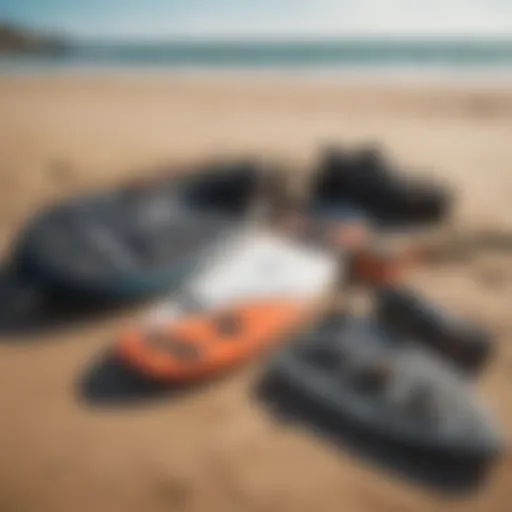
Exploring the World of Awesome Kites: Types and Benefits


Intro
Kites have an enduring charm that transcends ages and cultures. Originally crafted as tools for warfare or meteorological observation, the delightful act of flying kites has evolved into a global pastime resonating with leisure, adventure, and camaraderie. People from diverse backgrounds engage in kite flying or kiteboarding, each bringing their own flair to the experience. The weight of tradition meets modern technology, creating a landscape where innovation fits neatly within the fabric of heritage.
The evolution of kites is a tale that stretches back thousands of years, bathed in rich histories. As we delve into the fascinating realm of kites, we'll uncover an array of kite types, each uniquely designed and purposed for various activities, including the high-energy sport of kiteboarding. There is much to learn from this exploration, from understanding the nuances of kite gear to mastering techniques that elevate one's skill in the skies.
This article is not merely a guide; it is a gateway into the vibrant world of kites. Whether one is a novice, hoping to grasp the fundamentals of soaring through the air, or a seasoned kiteboarder looking to refine techniques, there’s something here for everyone. Moreover, we will touch on the importance of maintenance and the environmental considerations that affect kiteboarding, ensuring that future generations can share in this exhilarating pursuit.
With the sun shining and wind on your side, ready yourself to jump into this adventure of discovering the wonders of kites.
The History of Kites
The historical significance of kites extends far beyond merely serving as recreational tools for both children and adults. Their narratives interweave with various cultures and epochs, often symbolizing ideas such as freedom, craftsmanship, and innovation. By understanding the history of kites, enthusiasts can better appreciate the depth and breadth of kiteboarding today. A robust grasp of this legacy enriches the overall experience, embedding it in a broader cultural context while enhancing individual kiteboarding journeys.
Early Origins
Kites are believed to have originated in ancient China, roughly 2,500 years ago. Historical texts suggest that they were initially made from bamboo and silk, crafted to serve a variety of purposes, from military communications to meteorology. Some accounts cite that the first kite was flown by the famous philosopher Mozi, who used it to measure distances.
Ancient Chinese texts depict kites as instruments for good fortune and long life, often used in religious practices. This early significance can still be seen in traditional celebrations like the Qingming Festival, where families fly kites as a way to honor their ancestors. They aren’t just about play; they carry whispers of history and humanity's desire to connect with the skies.
Kites in Different Cultures
While their roots can be traced back to China, kites sprouted wings across the globe, taking on unique identities in diverse cultures. For instance, in Japan, kites are known as "tako" and have evolved into intricate works of art. The Edo period saw kites transforming into festival icons, often incorporating elaborate designs and colors that tell stories or depict historical figures.
In India, the art of kite-making became an integral part of the cultural fabric, especially evident during the festival of Makar Sankranti. Competitions erupt as participants try to outdo each other, showcasing their skill and creativity.
Similarly, in Bali, kite flying is not merely a pastime but part of spiritual rituals to appease the gods.
This tapestry of cultural diversity highlights how kites embody more than just wind-catching fabric; they represent community, heritage, and artistic expression.
Advancements Through Time
Over the centuries, kites have undergone remarkable transformations. Early designs were simple and often utilitarian, but as materials and construction techniques evolved, so did the function and form of kites. The introduction of synthetic materials in the 20th century revolutionized kite making. Lightweight, durable, and vibrant fabrics made it possible for more complex designs.
During the early 1900s, kites were employed for scientific purposes, such as high-altitude research. The famous inventor Benjamin Franklin famously used kites to explore electricity, conducting experiments that paved the way for modern electrical understanding.
In recent decades, the resurgence of kiteboarding and stunt kites has led to innovative designs, combining performance with aesthetics, and appealing to new generations of enthusiasts. Today, kites can be tailored for various activities, from artistic displays to extreme sports, reflecting both historical roots and modern ingenuity.
A deep dive into the history of kites allows today's kiteboarders and enthusiasts to connect with this beloved pastime on a richer level, illustrating its journey from ancient skies to contemporary shores.
Understanding Kite Types
Understanding the diverse array of kite types is crucial for anyone looking to dive into the world of kiteboarding or even recreational flying. Each kite type serves different purposes, caters to various skill levels, and behaves distinctively under varying wind conditions. Whether you're an aspiring kiteboarder, gear manufacturer, or just curious about the sport, having a grasp of these differences can significantly shape your experience and success. It goes beyond basic aesthetics; it influences safety, performance, and, ultimately, your enjoyment of this exhilarating activity.
Traditional vs. Modern Kites
Traditional kites are often seen as the old guard of the kite world, steeped in history and craftsmanship. Common designs include the delta and box kites, with many built from materials like paper and bamboo. Their construction speaks to simpler times, where each kite was a unique labor of love.
In contrast, modern kites embrace cutting-edge technology. They utilize synthetic materials, improved aerodynamics, and innovative designs. The main players in modern kiting include foil kites and inflatable kites, with the latter often used in kiteboarding. The difference is striking. Traditional kites flutter gently aloft, while modern kites shoot through the air with agility, crafted for high-performance thrills.
One major consideration is performance. Traditional kites often don’t handle strong winds as comfortably, making them better suited for light breezy days. Meanwhile, modern kites are engineered for versatility and can handle a range of wind conditions, which is critical when catching a ride on the water.
"Choosing between traditional and modern kites often hinges on what you want out of the experience – nostalgia or sheer adrenaline."
Stunt Kites
Stunt kites take fun to another level with their ability to perform tricks and maneuvers in the air. Typically crafted with two lines instead of one, these kites can be steered with precision. As a result, they offer a dynamic flying experience, allowing enthusiasts to loop, spin, and dive creatively against the backdrop of the sky.
These kites often come in various styles—some are small and agile, perfect for quick moves, while others are larger for more dramatic stunts. To master stunt kites, gaining a sense of control is imperative. This not only enhances the fun but builds confidence in budding kite boarders who wish to transition to more thrilling kite sports.
Kiteboarding Kites
Kiteboarding kites are the backbone of this vibrant sport. They’re not just for flying; they’re engineered to generate lift as well. There are a few key types of kiteboarding kites that you should know:
- Foil Kites: Best for providing lift and stability, they work well in varied wind conditions.
- Inflatable Kites: Offering excellent performance and safety features, these are typically preferred for beginners due to their forgiving nature.
- C-Kites: Known for their performance in freestyle and wave riding, these kites are favored by advanced kiteboarders looking for agility and speed.
Each of these kite types varies significantly in terms of performance and handling. Knowledge of these differences can lead to more informed choices based on the rider's skill level and the conditions of the day.
These key distinctions in kite types enhance not only the safety and efficiency of the kiting experience but also your overall enjoyment—whether you're delighting in a calm day on the water or pushing the limits with some high-flying stunts. Understanding these elements can make the skies feel a whole lot bigger.
The Mechanics of Kites
Understanding the mechanics of kites is essential for anyone eager to delve into the art of flying. It’s not just about the thrill of seeing a kite soar; it’s about comprehending the intricate dance of physics and design that makes it all possible. Each aspect of kite mechanics plays a role in determining how effectively a kite can perform in the air. Whether you're a seasoned kiteboarder, a curious outdoor enthusiast, or a novice ready to take your first flight, grasping these mechanics is crucial for optimizing your experience and ensuring safety in the skies.


How Kites Fly
Kites take to the sky through a fascinating blend of aerodynamic principles. The primary force that keeps a kite aloft is lift, which counteracts the weight of the kite itself. This lift is generated primarily by the wind flowing over and under the kite’s surface. When the wind hits the kite at an angle, it creates a difference in pressure between the top and the bottom surface, lifting it higher.
But there's more to it. The angle at which the kite is held, known as the angle of attack, significantly influences how effectively it catches the wind. Too steep an angle can cause the kite to stall, while too shallow may not create enough lift. When flying, the tension in the line is also crucial; it helps keep the kite steady and aligned with the wind direction, allowing for better maneuverability.
"The relationship between wind and lift is like a well-rehearsed dance; both must work in harmony for the best performance."
Components of Kites
A kite's flight isn't a one-man show; it's a complex assembly of various components, each contributing to the whole. Here are the critical parts of a kite:
- Sail: The main surface that catches the wind, working to create lift. Materials can vary from nylon to polyester, each affecting durability and performance.
- Frame: Provides structure and shape, usually made from lightweight materials such as fiberglass or carbon fiber for strength without extra weight.
- Bridle: This system of lines holds the kite in place and adjusts its angle of attack. It’s often a simple yet effective way to optimize performance.
- Tail: Not all kites have tails, but when present, they can help stabilize the kite during flight by providing additional drag, making it less prone to tumbling.
Each of these parts plays a vital role in how the kite behaves in the air. Neglecting any component can lead to a less enjoyable flying experience, or worse, damage your equipment.
Wind Conditions and Their Importance
Wind is essentially the lifeblood of kite flying. Without it, a kite is just a beautiful piece of fabric tethered to the ground. Understanding wind conditions is imperative for anyone serious about kiteboarding.
Several factors interact here:
- Speed: Different kites are designed to handle varying wind speeds. For instance, small kites perform well in stronger winds, while larger kites are suited for lighter breezes.
- Consistency: Steady wind allows for a more predictable flying experience. Gusty winds can lead to erratic behavior, making it harder to control the kite.
- Direction: The direction of the wind affects launch and landing. Knowing how to read the wind direction can provide a smoother flying experience and ensure safety.
Optimizing the conditions can make the difference between a successful outing and a frustrating experience. Learning how to read the wind honestly can be as valuable as knowing the intricacies of your kite. A seasoned kiteboarder can often feel the wind change before even seeing its effects.
Benefits of Kiteboarding
Kiteboarding, or kitesurfing, is an exhilarating sport, merging elements of surfing, sailing, and flying. Beyond the thrill it brings, diving into this sport carries substantial benefits that resonate across physical, mental, and social domains. In this section, we'll unpack the layers of these advantages, demonstrating why kiteboarding stands as a gateway to both personal growth and community building.
Physical Fitness Aspects
Engaging in kiteboarding demands significant physical exertion, promoting fitness in multiple ways. When you’re out on the water, it’s not just about the ride; it's a full-body workout that targets various muscle groups. Here’s how:
- Core Strength: Balancing on the board while harnessing the kite’s pull engages the core muscles intensely. This builds stability and strength over time.
- Leg Endurance: Every time you adjust your stance or maneuver to catch the wind, your legs are working hard. This means stronger quadriceps, hamstrings, and calves.
- Upper Body Power: Steering and controlling the kite uses your arms and shoulders, which helps in building muscle endurance and strength.
Regularly partaking in kiteboarding can not only increase cardiovascular fitness but also enhance flexibility. Plus, the calories burnt during a session can range from 400 to 1000, depending on the intensity. Now that’s what you call a triple win: fun, fitness, and fresh air.
Mental Health Benefits
Sandwiched between the thrill of the sport and the vastness of the sky lies a sanctuary for mental wellbeing. The mental health benefits of kiteboarding are as soaring as the kites themselves. Here’s why:
- Stress Relief: The sheer joy of riding the wind can melt away daily stressors. It's a technique akin to meditation—there’s just you, the kite, and the open water.
- Mindfulness: Kiteboarding requires concentration and presence, drawing your mind away from distractions. Many practitioners describe the experience as meditative, harnessing focus and calming the mind.
- Confidence Building: Overcoming the challenges of controlling the kite and mastering the waves feeds a sense of accomplishment and boosts self-esteem. Each successful ride is a gentle reminder of your capabilities.
Research indicates that outdoor activities significantly contribute to reduced symptoms of depression and anxiety. Thus, kiteboarding not only frees the mind but nurtures emotional health too.
Social Interaction Opportunities
Kiteboarding isn’t merely a solo endeavor; it fosters a vibrant community of enthusiasts. The social elements of this sport amplify the joy of kiteboarding, making it a fantastic way to connect with others:
- Community Events: From local meet-ups to international competitions, kiteboarding fosters opportunities to bond, share experiences, and foster friendships. Riding alongside fellow kiteboarders creates camaraderie.
- Shared Lessons: Learning from others or teaching newcomers to kiteboarding can deepen connections and increase communal knowledge of techniques and safety practices.
- Cultural Exchange: Traveling to different kiteboarding spots allows connections with various cultures and lifestyles. Every beach becomes a melting pot of kiteboarding enthusiasts from all walks of life.
"Kiteboarding transforms mere winds into wings, lifting the spirit and connecting people across the globe."
Overall, the benefits of kiteboarding extend far beyond just the sport itself. It nurtures physical health, elevates mental wellbeing, and creates lasting social bonds. As enthusiasts take to the skies, they also soar towards a fulfilled and enriched existence. To learn more about the uplifting community and benefits of outdoor sports, check the Outdoor Foundation or explore numerous discussions on Reddit's r/kitesurfing.
Embracing kiteboarding may just be the change one needs—both on and off the water.
Kiteboarding Equipment Essentials
Kiteboarding is a thrilling sport that merges the forces of wind and water, but without the right equipment, it can turn from exhilarating to daunting faster than you can say "wind". Understanding the essentials of kiteboarding equipment is crucial for both newcomers and seasoned riders. A well-chosen setup not only improves performance but also significantly enhances safety while you're skimming over waves or gliding through the air.
Choosing the Right Kite
Selecting the perfect kite is akin to choosing the right set of shoes for a marathon. Kites come in various shapes, sizes, and materials, each designed to cater to specific wind conditions, riding styles, and skill levels.
- Sizes Matter: Kites generally range from 1.5m to 18m. A larger kite captures more wind, providing more lift, while smaller ones are easier to handle in strong winds.
- Design Types: Most modern kites fall into two categories: C-kites for those who prefer tricks and extreme conditions, and delta kites, which offer stability and are great for beginners.
- Materials: High-performance kites are often made from ripstop nylon to ensure durability while maintaining a lightweight structure. Choosing quality materials can vastly increase the lifespan of your equipment.
One common recommendation for newcomers is to use a kite in the 10m to 12m range, balancing flight stability with user-friendliness.
Harnesses and Boards
Riding a kiteboard without the right harness is like trying to swim without water—impossible! A good harness connects you to the kite while distributing the pull across your body, allowing you to ride comfortably.

- Types of Harnesses: There are two main types: waist harnesses and seat harnesses. Waist harnesses offer freedom of movement, while seat harnesses provide more support and are often preferred by those learning aerial tricks.
- Choosing Your Board: Kiteboards come in a variety of shapes and sizes as well. The right board can greatly influence your riding experience. A larger board helps with stability, especially in choppy waters, while a shorter board is more maneuverable for tricks.
Many riders notice a significant change in performance just by upgrading a harness or board. A good rule of thumb is to test different setups before making a commitment.
Safety Gear Considerations
When engaging in a sport as dynamic as kiteboarding, safety gear hands down should be top of mind. The wind can be unpredictable, and you want to be prepared for anything.
- Impact Vests: These protect your torso from hard falls while providing extra buoyancy. It's best to choose a vest that offers a snug fit without restricting movement.
- Helmets: A helmet can prevent serious head injuries. Opt for a lightweight one designed for water sports. Not all helmets are suited for kiteboarding, so look for models with proper ventilation.
- Leashes: A reliable leash tethers you to your gear, preventing loss in case of a mishap. This is a safety net to avoid runaway kites that can be dangerous in the wrong winds.
"Safety is a priority, ensure that every kiteboard session is done with gear that protects you as you explore the wild and wonderful water!"
Investing in quality safety gear is not only a smart decision—it can also keep you kiting for many seasons to come. The cost is minor compared to the potential risks.
Caring for Your Kite
Caring for kites extends beyond mere ownership; it's a commitment that can significantly enhance your experience on the water. Proper care plays an integral role in ensuring longevity, performance, and safety. As you venture into kiteboarding, understanding how to maintain, repair, and store your equipment is essential. Not only does taking care of your kite protect your investment, but it also guarantees that every ride is smooth and exhilarating. When you're out there, feeling the wind catch your sail, you'll want every moment to be perfect.
Maintenance Practices
Regular maintenance is the backbone of kite care. Just like a car needs an oil change, your kite needs some TLC to keep it flying high. Here are a few key practices to consider:
- Regular Inspections: After every session, check for visible wear and tear. Look for frayed lines, tears in the sail, or issues with the bridle. Catching problems early can save you a world of headaches when it's time to hit the waves again.
- Cleaning: Sand, salt, and dirt can accumulate on your kite, affecting its performance. After each use, rinse your kite with fresh water to remove any gunk. It’s best to let it air dry before packing it away to prevent mold and material degradation.
- Storage Checks: Before storing your kite, ensure that it's completely dry. Fold it properly to avoid wrinkles and creases that can alter its aerodynamic properties.
"An ounce of prevention is worth a pound of cure." - Benjamin Franklin
Common Repairs
Kites, like any outdoor gear, can succumb to wear. Knowing some common repairs can be a lifesaver when you're out on the water. Here are a few typical repairs you might encounter:
- Tears in the Sail: Use a repair tape specifically designed for nylon or polyester fabrics. Clean the area around the tear and apply the tape. This can help you get back to riding without a hitch.
- Line Replacement: If your lines are frayed or damaged, it's crucial to replace them. Measure the old line before buying new ones, ensuring they’re the same length and type.
- Bridle Adjustments: Sometimes, the bridle can become out of whack. Familiarize yourself with the bridle system specific to your kite and make adjustments as needed. A poorly tuned bridle can lead to unstable flight characteristics.
Storing Your Equipment
Proper storage is just as important as maintenance. How you store your kite can affect its life and performance. Here are some considerations:
- Cool, Dry Place: Store your kite in a cool, dry environment. Avoid places with extreme temperatures or humidity, as both can damage the materials over time.
- Avoid Heavy Weights: Never place heavy objects on top of your kite while it’s in storage. This can lead to creases and shape distortion.
- Bag It Up: Use a quality kite bag that fits your model. A bag protects your kite from dust, sunlight, and accidental damage.
When you take care of your kite, you’re not just extending its lifespan; you’re enhancing your overall kiteboarding experience. A well-maintained kite can elevate your sessions, allowing you to explore your limits and enjoy the winds in a way that only a functioning kite can provide.
Kiteboarding Destinations
Kiteboarding destinations play a crucial role in the thrill and allure of this activity. The right location can enhance both the enjoyment and challenge of kiteboarding. Not only do these natural settings provide the necessary wind and wave conditions, but they also offer unique experiences that linger in memory long after the rides end. Choosing a destination isn’t merely about looking for a spot to fly a kite; it’s also about embracing the culture, scenic beauty, and the comradery experienced within a place.
Whether you’re a seasoned pro looking to push your limits or a novice hoping to catch your first gust, understanding what destinations have to offer is extremely valuable. These spots can vary widely in terms of weather patterns, local regulations, and accessibility. Even factors like the welcoming vibe of a local community can make a trip truly special.
Top Locations Worldwide
Around the globe, a handful of locations consistently stand out as premier kiteboarding havens. Cabo Verde in Africa, with its warm winds and beautiful beaches, attracts kiteboarders from all walks of life. Tarifa in Spain has earned its reputation as the kiteboarding capital of Europe, boasting reliable winds and an energetic local scene that encourages both participation and spectating.
Here are other notable kiteboarding locations:
- Hood River, Oregon: Known for its steady winds and scenic views along the Columbia River.
- Maui, Hawaii: With spectacular backdrops and varied conditions, it serves both lightwind and strongwind enthusiasts.
- Brazil’s Jericoacoara: An absolute treasure for its consistent trade winds and stunning sunsets over the ocean.
Regional Considerations
When looking at kiteboarding locations, regional considerations can greatly affect your experience. Some areas are subject to specific regulations based on environmental protection, while others might have local guidelines that vary by season. For instance, North Carolina’s Outer Banks can be a winter wonderland for kiteboarding, but the conditions also pose safety challenges. That’s why potential kiteboarders need to be aware of weather patterns, tidal changes, and even species conservation efforts.
Additionally, various cultural attitudes towards outdoor sports can influence a visiting kiteboarder’s experience. For example, regions with supportive local communities often foster a more inclusive atmosphere.
Emerging Locations
As the popularity of kiteboarding continues to grow, emerging locations are surfacing that might not yet be on everyone's radar. Sri Lanka has become a hotspot, offering both warm waters and a rich cultural experience for visitors. Egypt’s Red Sea coast, particularly at places like El Gouna, is another up-and-coming destination that provides incredible conditions and stunning scenery.
- India: The state of Goa is also gaining traction due to its beautiful beaches and vibrant culture.
- Vietnam: Locations such as Mui Ne have begun to attract kiteboarders with their consistent winds and breathtaking landscapes.
In exploring these new destinations, kiteboarders may find fresh challenges, hidden gems, and delightful surprises that an established spot may no longer provide.
Each of these places brings its own flavor to the kiteboarding community, continually expanding the opportunities available to adventurers.
Kiteboarding Community and Culture
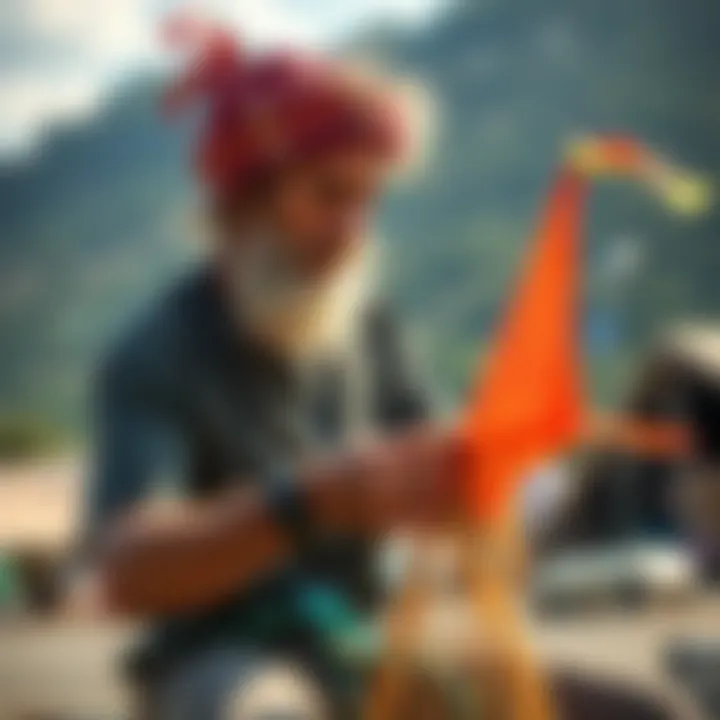
Kiteboarding isn’t just a sport; it’s a vibrant community woven together by shared experiences, passions, and values. Those who take to the skies don’t merely chase wind and waves; they find a camaraderie that transcends borders. Have you ever noticed how kitesurfers can immediately bond over their favorite beach or the thrill of riding a strong gust? This community aspect is vital. It establishes a culture that welcomes newcomers, encourages learning, and promotes environmental responsibility, fostering a nurturing atmosphere for both seasoned pros and eager beginners.
Community Events and Competitions
Engagement in kitesurfing events and competitions plays a crucial role in shaping the kiteboarding culture. These gatherings serve not only as platforms for showcasing skills but also as joyful celebrations of the sport.
For instance, the Red Bull King of the Air attracts top riders from around the globe where stunning aerial tricks captivate thousands of spectators. These events are often rounded off with trade shows where brands display the latest gear innovations.
- Benefits of Community Events:
- Networking opportunities with fellow kiteboarders, instructors, and manufacturers.
- Access to workshops and clinics.
- Opportunities to witness the latest developments in kite technology firsthand.
Competitions often emphasize creativity and environmental consciousness, reminding participants that while they aim for glory, they also bear responsibility for preserving the sites they enjoy.
Online Communities
In today’s digital age, kiteboarding communities have found a second home online. Platforms like Reddit and various Facebook groups serve as vibrant forums where enthusiasts communicate and share insights around the clock. These online spaces offer vast resources for kiteboarders seeking advice or tips for everything from choosing the right equipment to navigating challenging weather conditions.
- Popular Online Forums:
- Why Online Communities Matter:
- r/kitesurfing on Reddit
- Online groups on Facebook dedicated to local kiteboarding spots.
- Instant access to a wealth of knowledge.
- Connections formed can lead to real-world friendships and partnerships.
- Encouragement for new participants to ask questions and share experiences.
Through these digital platforms, kiteboarders can unite despite geographic distances, ensuring that the sport's growth is nurtured by shared passion and mutual support.
Environmental Initiatives
As lovers of the ocean and playgrounds of nature, kiteboarders often lead the charge in environmental initiatives. Many kitesurfing communities advocate for cleaner beaches and waters, understanding that maintaining a healthy environment is essential for their sport’s existence.
"The wind and waves are our playground; it's crucial we protect them for future generations."
- Common Environmental Initiatives Include:
- Beach clean-up days organized by local kiteboarding schools.
- Advocacy for sustainable practices among gear manufacturers.
- Workshops focusing on environmental stewardship tailored for kiteboarders.
These initiatives highlight that while kiteboarding might seem like an individual sport, the community recognizes the importance of sustainability. It’s about ensuring that everyone has a chance to experience the thrill of kiteboarding for years to come.
The kiteboarding community thrives not only by encouraging one another but also by taking actionable steps toward a more sustainable future. This interconnectedness helps build a culture that cherishes the joy of kitesurfing while remaining ever mindful of the earth we share.
Technology in Kites
The realm of kites has come a long way from their simple beginnings made of paper and bamboo. Today, technology plays a pivotal role in shaping the performance and safety of kites. For kiteboarders and outdoor enthusiasts, understanding these advancements is not just a matter of interest but a necessity to enhance their flying experiences. The intersection of creativity and technology in kite design ensures that enthusiasts can enjoy their time on the water while pushing the limits of what is possible.
Innovations in Design
In recent years, kite design has undergone remarkable innovations, with manufacturers experimenting with materials and shapes to maximize durability and performance. Leading brands like Ozone and Cabrinha have introduced kites with streamlined profiles, allowing them to capture the wind more effectively. The introduction of hybrid designs initially aimed at combining the benefits of both traditional and modern kites has revolutionized kiteboarding. Some notable examples include:
- Delta and Bow Kites: Known for their stability and ease of use.
- Freestyle Kites: Enhanced for performing tricks, these kites respond swiftly to input, making them a favorite among advanced riders.
These advancements not only cater to recreational flyers but also provide safety features like auto-relaunch systems that minimize risks during mishaps.
Future Trends
As the kiteboarding community continues to evolve, we can expect to see intriguing trends arise in the near future. Here’s a glimpse into what might be just around the corner:
- Smart Kites: Imagine kites equipped with sensors that provide real-time feedback on wind conditions, allowing riders to adjust their technique accordingly.
- Lightweight Materials: The shift towards advanced composite materials is likely to continue, leading to even lighter kites that don't compromise on strength.
- Customization: Brands may offer kites that allow users to personalize the shape, color, and even size based on their individual preferences, making each kite unique to its owner.
Sustainability in Kite Manufacturing
The demand for environmentally-friendly practices has not left the kite industry untouched. Manufacturers are becoming increasingly aware of their ecological footprint, adopting sustainable methods in their production processes. Some measures being taken include:
- Recycled Materials: Companies are looking into using recycled fabrics and plastics in kite production, reducing waste.
- Eco-friendly Production Techniques: Many brands are exploring techniques that minimize harmful emissions and energy usage during manufacturing.
For example, Naish Kites has pledged to enhance its sustainability efforts while still providing top-tier performance for kiteboarders.
"Our aim is not just to ride the wind but to ride it while caring for our planet" - a mantra increasingly found among kite manufacturers.
Closure
As we wrap up our journey through the world of kites, it becomes clear that the significance of this sport extends far beyond keeping a colorful fabric aloft in the sky. Kiteboarding is not just an adventurous engagement with wind and water; it is a rich tapestry of history, culture, community, and personal growth. Each thread woven into this tapestry enhances our understanding of why kites are more than mere recreational objects.
Reflections on Kiteboarding
In the spirit of contemplation, kiteboarding invites us to reflect on a few critical elements that make this sport immensely appealing:
- Connection to Nature: Kiteboarding emphasizes a raw and intimate connection to the elements. It encourages participants to not only appreciate the beauty of the outdoors but also understand the underlying forces of nature that allow the kite to soar or glide.
- Physical and Mental Growth: Each session on the water can transform into a lesson about resilience, patience, and determination. The challenge of learning how to ride a board while managing wind power can instill a sense of achievement that transcends the sport itself.
- Cultural Ties: Kiteboarding brings together a diverse community, spanning cultures and nationalities. Each gathering and competition serves as a celebration of shared passion, making it a unique blend of cultural exchange.
- Environmental Awareness: In today’s climate-conscious world, kiteboarding also heightens awareness of environmental issues. Many participants are advocates for preserving the beautiful locations they frequent, promoting sustainable practices and marine conservation efforts.
"Kiteboarding teaches you more than just how to ride a board; it can change how you see the world."
As we consider what kiteboarding offers, it’s crucial to acknowledge the responsibility that comes with this thrill. Whether it’s caring for your gear, respecting nature, or engaging positively with the kiteboarding community, every action holds weight. This blend of personal responsibility and community interaction enriches the everyday experience of kiteboarding, establishing it as a significant sport that fosters development both on and off the water.