Exploring Flight Hydrofoils in Kiteboarding Dynamics

Intro
In the exhilarating world of kiteboarding, flight hydrofoils have emerged as a game-changer, transforming how enthusiasts experience the rush of wind and water. As kiteboarding continues to capture the hearts of outdoor adventurers, it’s essential to understand how these unique devices enhance performance, stability, and overall enjoyment on the water. Hydrofoils lift riders above the surface, minimizing drag and allowing for relatively smooth navigation across choppy waters. The relationship between hydrofoils and kiteboarding shapes the sport, providing countless thrills and challenges for riders at every skill level.
This article embarks on an exploration of the dynamics that define flight hydrofoils, emphasizing their engineering, advantages, emerging trends, and the broader impact on the kiteboarding community. By unpacking the various elements of hydrofoil technology and design, riders, instructors, and gear manufacturers alike can cultivate a deeper comprehension of how hydrofoils can elevate their experience.
Gear and Equipment
For those looking to dive into the exciting realm of hydrofoil kiteboarding, having the right gear and equipment is paramount. The high-performance nature of hydrofoils necessitates precision and the right components to ensure a safe and rewarding experience. Here’s a look into essential gear and effective maintenance tips:
Essential Kiteboarding Gear: A Comprehensive Guide
- Kite: The heart of kiteboarding, modern kites come in various shapes and sizes. Each type suits different wind conditions and rider preferences. A high-aspect ratio kite is often recommended for hydrofoil use, as it provides ample lift and efficiency.
- Hydrofoil Setup: Most riders will choose between a few key configurations. A longer mast offers stability and better performance in choppy waters, while a shorter mast may provide easier handling initially. Ensure the front wing design aligns with your riding style – whether recreational or aggressive.
- Board: A hydrofoil board typically has a track system to allow for adjustments in position, depending on rider comfort and style. Opt for a lightweight option to enhance the overall buoyancy and ease of lifting.
- Safety Gear: Never overlook personal protection while on the water. A well-fitted impact vest, helmet, and potentially cut-resistant shoes should form part of your regular kit.
Maintenance Tips for Kiteboarding Equipment
Keeping your kiteboarding equipment in prime condition is crucial for safety and performance. Here are a few handy tips:
- Rinse Regularly: After every session, rinse your hydrofoil and other gear with fresh water to eliminate any sand, salt, or debris that could cause wear over time.
- Inspect the Lines: Check for frays or signs of fatigue. Kite lines take a lot of stress, especially while foiling.
- Wing Scrutiny: Regularly inspect the wings for dents or nicks. Small damages can affect performance and handling, so it’s better to address them early.
- Storage Tips: Store gear in a cool, dry place. Avoid leaving kites in direct sunlight for extended periods to prevent fabric deterioration.
By integrating this knowledge of gear and maintenance, kiteboarders can not only maximize their enjoyment but also ensure that their equipment supports their adventures for years to come.
Understanding Flight Hydrofoils
Flight hydrofoils have revolutionized kiteboarding, introducing a new realm of performance and excitement. Understanding how these devices function is crucial for both seasoned kiteboarders and newcomers alike. By grasping the fundamentals of flight hydrofoils, riders can enhance their skills, optimize their experiences, and navigate potential challenges that come with this dynamic sport.
Defining Flight Hydrofoils
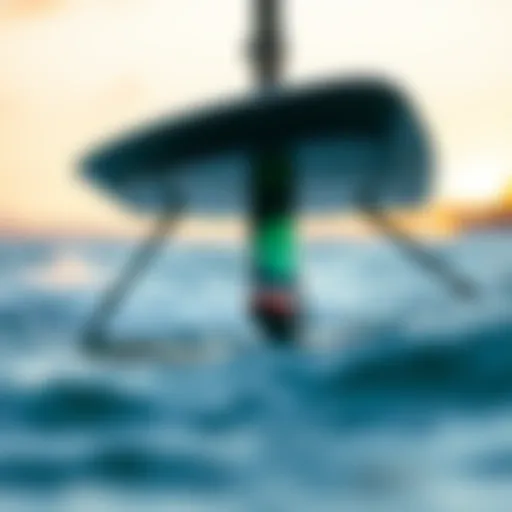
At its core, a flight hydrofoil is essentially an underwater wing attached to a board. This construction allows the board to rise above the water's surface when sufficient speed is reached, reducing drag and providing smoother, more efficient rides. When kitesurfing, the hydrofoil's design and orientation play a significant role in how effectively a rider can glide. Its primary components usually include the mast, wings, and fuselage—each crafted for various conditions and rider preferences.
History of Hydrofoils in Water Sports
The journey of hydrofoils in water sports dates back to the early 1900s, when the concept was first explored. The invention of hydrofoils can be traced to young engineers fiddling with designs that would lift a boat above the water, minimizing the resistance it faced. Over decades, the application of hydrofoils in sailing and later in kiteboarding evolved dramatically. It wasn't until the late 20th century that enthusiasts in the kiteboarding community began experimenting with hydrofoils, ultimately spearheading a new trend in the sport.
Modern kiteboarding hydrofoils emerged as riders sought higher speeds and enhanced performance. The popularity of hydrofoils took off, drawing in curious thrill-seekers and adventure travelers looking to master this unique blend of speed and agility. Today, hydrofoils occupy a crucial place in the world of kiteboarding, opening up new exploration areas, from flat waters to choppy seas.
Key Components of Hydrofoils
A well-crafted hydrofoil consists of several vital components, each serving a specific purpose to optimize performance. Here, we break down these key elements:
- Mast: The tall vertical structure that connects the board to the wings and elevates the entire system above the water. The mast length can vary, influencing stability and lift.
- Wings: These come in various shapes and sizes, affecting lift, drag, and maneuverability. The front wing is primarily responsible for lifting, while the rear wing helps maintain balance and control.
- Fuselage: This piece connects the mast and the wings, playing a critical role in stability. Its length and design can affect how easily a rider can cut through waves.
By understanding these components, kiteboarders can better select hydrofoils tailored to their specific riding styles and environmental conditions, improving their overall kiteboarding experience.
"Investing time to understand the hydrofoil's mechanics can drastically enhance your kiteboarding adventures."
As the kiteboarding community continues to evolve with advanced designs and innovations, acknowledging the foundational knowledge of flight hydrofoils will empower riders to fully embrace the exhilarating ride that awaits them.
The Science Behind Flight Hydrofoils
Understanding the science underlying flight hydrofoils is crucial for any kiteboarding enthusiast. These innovative devices have transformed the sport, promoting not only performance improvements but also shifts in rider experience. By dissecting the principles of hydrofoils, learners can grasp how their designs leverage physics to optimize speed, stability, and agility on water. Emphasizing the science behind hydrofoils allows riders to make informed decisions regarding equipment and technique, ensuring a safer, more enjoyable experience.
Hydrodynamics Explained
At the heart of flight hydrofoils lies the concept of hydrodynamics—the study of how water interacts with solid objects. This science tells kiteboarders what happens when a hydrofoil cuts through the water. A hydrofoil consists of a wing-like structure submerged below the surface, creating lift as water flows over it.
The shape and angle of the hydrofoil's blade dramatically affect its performance.
- When the angle is correct, the water pressure differences above and below the foil generate lift, efficiently raising the board and rider out of the water.
- Conversely, poor angles can lead to drag, which may result in instability and a less enjoyable ride.
By maintaining an optimal angle, kiteboarders can harness these forces, allowing them to soar above waves instead of skimming along the surface. This results in minimal drag, elevating the rider’s experience.
Understanding how water flow interacts with hydrofoil design is akin to getting a backstage pass to a secret show—only those in the know can truly appreciate the nuances involved.
Lift and Drag in Hydrofoil Mechanics
Lift and drag are two critical forces that govern hydrofoil performance. Lift is what pushes the rider upward, while drag resists this upward motion. Understanding these elements gives riders a solid foundation to improve their skills.
- Lift: Lift is generated when moving the hydrofoil at a higher speed, creating a pressure difference. The backward motion of water creates low pressure above the foil, while high pressure exists beneath it, lifting the board out of the water.
- Drag: Drag can be simply put as the resistance experienced when a body moves through water. Minimizing drag is essential for achieving faster speeds. There are two types of drag:


- Form Drag: Occurs due to the shape of the hydrofoil.
- Frictional Drag: Caused by the water sliding across the surface.
Striking a balance between lift and drag can be a game-changer for riders. More lift with less drag ensures an exhilarating ride, while constant adjustments in technique based on wind and water conditions can enhance overall performance.
"When you learn to ride on a hydrofoil, it’s like discovering a new dimension of kiteboarding; the possibilities are endless once you break free of the water's surface."
This interplay between lift and drag illustrates the delicate balance riders must maintain to maximize their performance. As one becomes more familiar with these principles, the confidence to tackle challenging conditions increases.
In essence, delving into the science of hydrofoils equips riders with knowledge that can transform their kiteboarding experience. It’s not just about the thrill of the ride but understanding the physics that make that thrill feasible.
Applications of Hydrofoils in Kiteboarding
The integration of hydrofoils in kiteboarding marks a significant evolution in the way enthusiasts interact with water. Understanding the applications of hydrofoils can illuminate their transformational effects on performance and help riders make informed decisions regarding their gear choices. These applications not only enhance riding experiences but also introduce new dynamics that reshape the entire sport.
Performance Advantages of Hydrofoils
Performance is the linchpin in any sport, and hydrofoils elevate kiteboarding to a completely new realm. One of the key advantages is the reduction of drag. Traditional boards, when skimming over the surface, encounter substantial resistance created by water. Hydrofoils, however, lift the board above the surface, effectively diminishing that drag. The result is a smoother and more efficient ride.
Another notable advantage is the ability to glide on lighter winds. Kiteboarders often find themselves frustrated during low-wind conditions, struggling to maintain momentum. Hydrofoils allow riders to use their kite more effectively in such situations, creating lift even when wind speeds are moderate. This attribute can feel like having an extra gear, enabling riders to maximize their sessions regardless of the wind conditions.
With hydrofoils, riders can also perform in a more adaptable style. The enhanced stability of a hydrofoil allows for sharper turns and better responsiveness during maneuvers. This adaptability opens up new avenues for tricks and techniques that would typically be challenging with traditional boards.
In summary, the performance advantages associated with hydrofoils include:
- Reduced drag, allowing for a faster ride.
- Improved stability, enhancing maneuverability and confidence.
- Greater adaptability to varying wind conditions.
Thus, the inclusion of hydrofoils not only enhances an individual's performance but also enriches their overall experience on the water.
Enhanced Speed and Agility on Water
Speed and agility are critical metrics in kiteboarding, dictating how effectively riders can navigate the aquatic environment. Hydrofoils facilitate a unique relationship between speed, lift, and control, which can be transformative for riders.
Riding on a hydrofoil fundamentally changes the way water physics affects the user. As the foil slices through the water while simultaneously generating lift, the rider experiences an increase in speed with less effort. This effect allows for a more dynamic riding experience, where quick adjustments and rapid acceleration become second nature.
In terms of agility, hydrofoils enable a rider to execute high-speed turns without losing balance. The hydrofoil's design helps maintain stability and control, allowing kiteboarders to shift their weight with precision.
Additionally, the vertical lift created by the hydrofoil contributes to a unique sensation of flight, enabling riders to harness the wind and water synergistically. The experience can foster a sense of freedom that transcends traditional kiteboarding, inviting riders to push their limits.
In essence, hydrofoils grant kiteboarders the following benefits for speed and agility:
- Higher speeds with less exertion.
- Dynamic turning capabilities for enhanced control.
- A distinct sense of freedom, allowing for sustained aerial maneuverability.
Riders equipped with hydrofoils are often left with a sense of exhilaration, leading to a profound connection with both the sport and the environment.
As the kiteboarding realm continues to evolve, embracing hydrofoils is not just a matter of choice but an opportunity to push boundaries and redefine what’s achievable on the water.
Design Innovations in Flight Hydrofoils
The evolution of hydrofoils in kiteboarding has been nothing short of revolutionary. As technology advances, so do the designs that make kiteboarding both exhilarating and safe. The significance of design innovations in flight hydrofoils cannot be overstated; they effectively enhance performance, increase durability, and promote user safety. Therefore, understanding these innovations will not only enrich the experience of riders but also lay the groundwork for future developments in the sport.
Material Considerations
In the realm of hydrofoil construction, the choice of materials can make all the difference. The modern hydrofoil harnesses a blend of light but strong components, which contributes to the performance characteristics desired by kiteboarders. For instance, many hydrofoils utilize carbon fiber for their wings.
- Benefits of Carbon Fiber:
- Weight Reduction: This material offers significant weight savings compared to metals which is crucial during jumps and turns.
- Strength: High tensile strength allows for better rigidity and responsiveness in the water.
Another material gaining traction is aluminum, particularly for certain components of the hydrofoil. Aluminum is known for its resilience and cost-effectiveness, drawing riders who seek durability on a tighter budget.
- Key Points on Aluminum:
- Corrosion Resistance: Anodized aluminum can withstand saltwater environments quite well.
- Affordability: Generally more wallet-friendly, appealing to those new to the sport.
Weight, strength, and budgetary considerations ultimately play into a rider's choice of hydrofoil. Higher-end materials might cater to advanced techniques while more affordable options remain accessible for starters.
Shapes and Sizes: Finding the Right Fit
Not all hydrofoils are created equal; designs vary significantly in shapes and sizes, tailored for different riding styles and water conditions. The right hydrofoil can vastly affect overall performance.
- Wing Shape:
- Foil Sizes:
- High Aspect Ratio: This design is streamlined to reduce drag and increase lift at speed, perfect for those looking to slice through the water efficiently.
- Low Aspect Ratio: More stable at lower speeds, offering forgiveness to beginners.
- Longer Foils: Better lift off, ideal for light wind days.
- Shorter Foils: Provide agility, making them suitable for tricky maneuvers in choppy conditions.
Finding the right fit is critical for any kiteboarder. Riders must take into account their personal skill level, the type of riding they plan to pursue, and the specific conditions they expect to face.
"The evolution of hydrofoil design directly translates to more exhilarating rides and safer practices in the kiteboarding community."
In sum, impeccable design innovations in flight hydrofoils not only captivate kiteboarders but significantly elevate their riding experience. By blending advanced materials with thoughtful shape and size options, modern hydrofoils promise a new era in the sport. As technology continues to evolve, so will the capabilities and options available, ensuring that kiteboarding remains a thrilling pastime for decades to come.
Safety Considerations for Hydrofoil Users
Safety in kiteboarding is paramount, especially when it comes to using hydrofoils. These devices are designed to lift the board and rider above the water, significantly increasing speed and maneuverability. However, the risks associated with hydrofoiling, if not properly managed, can lead to serious injury. Therefore, understanding safety considerations is crucial for both novices and seasoned riders. The right gear and practices can make a world of difference in ensuring a safe and enjoyable experience on the water.
Essential Safety Gear for Hydrofoiling
When venturing into hydrofoiling, having the appropriate safety gear is non-negotiable. The following equipment can protect both the rider and the environment:
- Impact Vest: This provides essential buoyancy and can cushion the rider upon impact. Some vests even have integrated floats that help keep the rider afloat if they fall.
- Helmet: A good-quality helmet is vital to protecting against head injuries. Look for one designed for water sports that provides coverage and meets safety standards.
- Wetsuit: Besides keeping the body warm, a wetsuit can prevent abrasions and cuts, especially if you tumble onto the board or encounter rough water conditions.
- Foot Straps: Straps securely attach your feet to the board, minimizing the risk of being separated from it during a wipeout. Ensure they are properly adjusted before hitting the water.
- Leash: A leash that connects the hydrofoil to the rider is critical for safety. It helps prevent the board from drifting away and can prevent collisions with the board itself.
"Using proper safety gear is not just a recommendation, it’s a necessity. It can turn a potentially dangerous situation into a manageable one."
Best Practices for Staying Safe
Safety awareness goes beyond just wearing the right gear; employing best practices is essential for avoiding accidents on the water. Here are some key recommendations:
- Know Your Environment: Always familiarize yourself with the local water conditions, including currents, tides, and potential obstacles like rocks or boats. Getting a lay of the land—or water—can help you navigate safely.
- Practice in Safe Conditions: Start hydrofoiling in calm, flat waters before advancing to choppy conditions. Gradual exposure helps build confidence and skills while reducing risks.
- Avoid Crowded Areas: Stay clear of areas with many other users. Collisions can be detrimental, not just to you but also to others in the vicinity. Maintain a safe distance to ensure everyone's safety.
- Communicate with Others: Whether you’re with friends or other kiteboarders, keeping communication lines open allows everyone to be aware of each other's locations and intentions.
- Educate Yourself: Taking lessons from experienced instructors can vastly improve your skill set. Learning proper techniques and safety measures actively prepares you for unexpected situations.
Maintenance and Care for Hydrofoils
Maintaining flight hydrofoils is not just about keeping your gear looking sharp; it’s essential for ensuring safety and maximizing performance on the water. With the right attention, your hydrofoil can last for years while remaining in top condition. Proper maintenance helps avoid accidents and ensures that riders get the most thrilling experience possible without the worries of equipment failure.
Routine Care Procedures
Routine care of your hydrofoil isn’t as tedious as it sounds. It boils down to being observant and proactive. Here are the key steps to incorporate into your maintenance routine:
- Visual Inspection: After each session, take a minute to check for visible damage like dents or cracks in the materials. Even small imperfections can lead to larger issues down the line.
- Cleaning: Saltwater and sand can be quite abrasive. Rinse your hydrofoil thoroughly with fresh water after every use. Use a soft cloth or sponge and mild detergent to clean tough spots.
- Fasteners Check: Ensure that screws and bolts are tightly secured. Loose parts can compromise the integrity of your hydrofoil. A quick tightening won’t take more than a few moments but can prevent significant problems.
- Foil Connections: Pay extra attention to the connections between the mast and the board. These are stress points that require proper handling. It’s best to inspect and clean these areas regularly.
Identifying and Fixing Common Issues
Despite regular care, it’s not uncommon to encounter some issues. Knowing how to identify and fix them can save both time and money:
- Dings and Cracks: If you spot a ding or crack, assess its severity. Small dings can often be fixed using epoxy resin. Simply sand the area lightly, apply the resin, and allow it to cure as per the manufacturer's instructions.
- Rusty Components: Rust can occur on screws and metal parts, especially after being exposed to saltwater. Use a rust remover or a fine abrasive pad to clean these areas, and consider applying a marine-grade lubricant to prevent future rusting.
- Loose Bindings: If you notice increased movement in your bindings, they may need readjusting. If they cannot tighten securely, you may need to replace the straps or the entire binding system.
- Foil Alignment: An unaligned hydrofoil can cause instability and drag. Ensure that both foils are equally spaced and pointed in the same direction. If you find an issue, consult the product manuals or reach out to fellow kiteboarders for advice.
Maintaining your hydrofoil might seem like a chore, but it pays off in the long run. By investing a bit of time and effort into its upkeep, you’re ensuring that those exhilarating glides over the water remain enjoyable and safe.
"Routine checks and maintenance can often be the difference between a simple ride and a thrilling adventure."
Overall, consider creating a checklist for your hydrofoil maintenance, and don’t forget to enjoy every moment on the water!
For more resources on hydrofoil maintenance, check this out:
Wikipedia on Hydrofoils
Britannica article on Kiteboarding
Discussion on Reddit about Hydrofoils
Marine Maintenance Tips
Sports Equipment Maintenance from Experts
Navigating Hydrofoils in Different Conditions
Understanding how to navigate hydrofoils in different water conditions is crucial for kiteboarders. Hydrofoils offer unique advantages, but their performance can vary significantly depending on environmental factors. This section explores how to handle hydrofoiling, whether you’re navigating through choppy waters or seeking optimal wind conditions, and why each is essential for an enhanced riding experience.
Hydrofoiling in Choppy Waters
When tackling choppy waters, the way a hydrofoil handles can become a game changer. The undulating surface can create a plethora of challenges; however, it also presents an opportunity to refine skills and build confidence.
Dealing with rough water requires particular attention to balance and technique. Here are some tips to keep in mind:
- Maintain Lower Stance: Keeping your knees bent and your center of gravity lower will aid stability. It helps to absorb the shocks from waves and keeps your connection to the board more secure.
- Adjust Your Speed: Finding the right speed is critical. Too fast, and the foil may bounce uncontrollably; too slow, and you risk losing lift. Experimenting with speed can optimize performance.
- Manage Your Foil Angle: Tilting the foil can be beneficial. By adjusting the angle of attack, you can harness lift more effectively, allowing the foil to glide over the chop rather than plowing into it.
These strategies help maintain control, reduce fatigue, and ensure a smoother ride, even when nature throws a tantrum. Embracing the bumps not only enhances a rider’s skill set but also deepens one’s connection to the water.
Optimal Wind Conditions for Hydrofoil Performance
Wind serves as the lifeblood for kiteboarding, but every rider knows that not all winds are created equal. Understanding how wind conditions affect hydrofoil performance can significantly impact your ride.
- Light Winds (8-12 knots): These winds can often be tricky but are manageable with the right foil size. A larger wing can catch lighter winds more efficiently, enabling gliding even when the breeze is just a whisper.
- Moderate Winds (12-20 knots): This range is generally ideal for most riders. Here is where hydrofoils shine, as the lift generated allows for sophisticated maneuvers and enhances speed. Consider adjusting the size of your kite accordingly to avoid overpowering your ride.
- Strong Winds (20+ knots): In high winds, control becomes paramount. Riders often will switch to smaller kites and might fine-tune the foil for more stability, preventing unwanted lift. Having experience in different wind conditions is vital as it provides greater adaptability.


"Knowing the wind is as important as mastering the foil itself; they work hand in hand to create the magic of flight."
Incorporating these aspects into your hydrofoiling will enrich the overall experience, making you a more proficient rider. As the kiteboarding environment can change at a moment's notice, being prepared to navigate both choppy waters and varying wind conditions can set you apart in this dynamic sport.
Community Perspectives on Hydrofoiling
The realm of hydrofoiling, particularly in kiteboarding, is not just about technology and equipment; it’s also about the community that embraces it. Understanding the insights and experiences of those who’ve taken to the water with hydrofoils provides an enriching layer to the discourse. This section aims to highlight essential perspectives from varied experiences, thereby enhancing the fabric of knowledge in the sport. Riders, whether novice or seasoned, share a kinship that goes beyond the physical act of kiteboarding.
Experiences from Seasoned Riders
The tales of seasoned riders often come with the wisdom of hard-earned lessons. These individuals have spent countless hours gliding above the water, mastering the finesse of hydrofoiling. Their insights can often resonate as echoes of shared experiences—a common thread forged from both triumphs and challenges.
One seasoned rider might recount how a sudden gust changed their trajectory. "I was just getting the hang of it, and bam—a strong wind had me airborne and head over heels!" Such anecdotes reveal the unpredictability of nature and how it can challenge even the most skilled riders.
Benefits of listening to veteran perspectives include:
- Real-Time Problem Solving: They often provide solutions to potential pitfalls, emphasizing the importance of adapting to changing conditions.
- Equipment Recommendations: Many experienced riders have tried various hydrofoiling gear and can give insights into what works best and why.
- Access to Local Knowledge: Their familiarity with specific spots and conditions can prove invaluable, especially for newcomers.
As one rider put it,
"Every session teaches you something new. It’s not just about speed; it's about understanding the dance of the wind and water."
Beginner Insights and Learning Curves
For beginners stepping into hydrofoiling, the journey can feel equal parts exciting and daunting. New riders often face a steep learning curve, where every session on the water brings a mix of exhilaration and frustration. Sharing beginner experiences fosters a supportive environment, allowing newcomers to see that they are not alone in their challenges.
In many forums, kitesurfing novices express the same struggles: balancing on the foil, understanding wind dynamics, or even just getting accustomed to the board itself. Some common insights include:
- Patience is Key: Many beginners learn that the mastery of hydrofoiling doesn’t come overnight. The gradual progression can be more rewarding than immediate success.
- Learning to Fall: Understanding how to fall safely can make a significant difference. Beginners are often taught to embrace the inevitable tumbles, knowing that every fall is a step towards greater skill.
- Community Encouragement: Engaging with other newcomers can provide not just support but a sense of camaraderie. Discussing the same troubles helps to foster a community spirit.
Comments from beginners often resonate warmly within community circles, such as:
"I felt like I wasn’t getting it for weeks, but talking to other newbies reminded me that we’re all learning together."
Future Trends in Flight Hydrofoils
As we navigate the changing landscape of kiteboarding, the future of flight hydrofoils presents an intriguing frontier. This section sheds light on the emerging trends that enthusiasts, gear manufacturers, and instructors need to pay attention to. These trends not only impact performance but influence the overall experience of kiteboarding.
Technological Advancements on the Horizon
The technological advancements pertaining to flight hydrofoils are nothing short of fascinating. Today, innovation is at the core of enhancing rider experiences. For instance, developments in composite materials are making hydrofoils lighter and more durable, which translates into improved performance on the water. Riders are tending to favor models that use advanced carbon-fiber composites. Not only does this reduce drag, but it also provides the necessary stiffness for optimal lift.
- Electric Hydrofoils: A notable breakthrough is the electric hydrofoil, which has surged in popularity. Using battery-powered motors, these devices enable riders to glide effortlessly above the water, regardless of wind conditions. This development could revolutionize the sport, allowing kiteboarders and water sports enthusiasts to experience the thrill of hydrofoiling independent of traditional wind dependencies.
- Integration of Smart Technology: Furthermore, we are witnessing the integration of smart technology into hydrofoil design. Sensors may soon monitor performance metrics in real-time, providing user feedback on speed, lift, and even body positioning. This level of data could become essential in developing personalized training regimens, catapulting rider skills to new heights.
"The incorporation of tech advancements in hydrofoils is reshaping how we engage with the sport; it’s not just the equipment but how we use it that’s evolving."
The Evolving Kiteboarding Industry
The kiteboarding industry itself is going through a transformation, driven by both technological innovation and a growing community. Increased awareness around environmental concerns is leading manufacturers to focus on sustainable practices. Biodegradable materials for hydrofoils and recyclable components are not just buzzwords but becoming standards as consumers demand greener options.
Moreover, the rapidly evolving marketplace has fostered a spirit of collaboration among brands. Companies are sharing insights, and some are even forming partnerships to develop hybrid designs that merge kiteboarding with other water sports. This not only enhances the variety of available gear but encourages riders to explore multiple disciplines.
- Customization and Personalization: Another trend worth noting is the growing demand for customized hydrofoils. Riders are seeking tailored equipment that suits their specific needs and preferences. Brands that offer bespoke designs tend to have a competitive edge, as personalization is key to improving performance and enjoyment.
- Upsurge in Community and Events: The kiteboarding community is also becoming more unified, with events focused on hydrofoiling attracting a broad range of participants. These gatherings not only promote the sport but also serve as a platform for sharing knowledge and experiences, creating a richer culture around hydrofoiling.
Closure
The journey through the realm of flight hydrofoils in kiteboarding uncovers a rich tapestry of performance enhancements and safety considerations that are paramount for both new and seasoned riders. The significance of this topic is underscored by the transformative impact hydrofoils have on the kiteboarding experience, fundamentally changing the way riders interact with water, wind, and their equipment. As we wrap up this exploration, the following key elements emerge as vital takeaways:
1. Performance Boosts: Hydrofoils offer riders enhanced speed and efficiency. By lifting above the water's surface, riders reduce drag, allowing for smoother rides and quicker maneuvers. This lift is not merely a novelty; it translates into a noticeable upgrade from traditional kiteboarding methods.
2. Safety in Mind: With the thrill of hydrofoiling comes a responsibility to prioritize safety. From wearing impact vests to understanding how to navigate choppier waters, riders must embrace best practices to mitigate risks associated with high-speed kiting. This knowledge is essential in fostering a responsible riding community.
3. Diverse Conditions: Another critical insight is the versatility of hydrofoils. While conditions can dictate performance, understanding how to adapt equipment to varying wind and water states ensures that riders can maximize their experiences regardless of the circumstances.
4. Design Factors: The importance of design elements cannot be understated. The right materials, shapes, and sizes significantly affect the riding experience. Tailoring these aspects to individual preferences is what will set apart a novice from a true artisan of the sport.
Summarizing Key Insights
In essence, this article provides a comprehensive overview of flight hydrofoils and their implications within the kiteboarding community. The integration of hydrofoils into kiteboarding has brought about extraordinary advancements that are transforming not just the way people ride but also how the sport is perceived. By summarizing the performance benefits, safety considerations, and ongoing innovations in design, it becomes clearer why understanding hydrofoils is crucial for any kiteboarding enthusiast.
Encouraging Community Engagement
As this sport continues to carve its path, fostering communal ties and sharing insights becomes imperative. Engaging with fellow kiteboarders, whether through local meet-ups or online forums like those found on Reddit, can enhance not only one’s skills but also the collective knowledge of the community.
- Share Experiences: Encourage riders to swap stories about their triumphs and setbacks.
- Learn Together: Create platforms where seasoned riders can impart wisdom to beginners.
- Support Local Events: Participating in competitions or community demos can reinforce bonds and inspire growth among riders of all levels.
Through collective experiences, the kiteboarding community can foster an environment that promotes safety, innovation, and an enduring passion for the sport. After all, in sharing our journeys, we elevate not just our individual experiences but the very essence of kiteboarding.