
Exploring Hydrofoil Surfing: A Comprehensive Overview
Intro
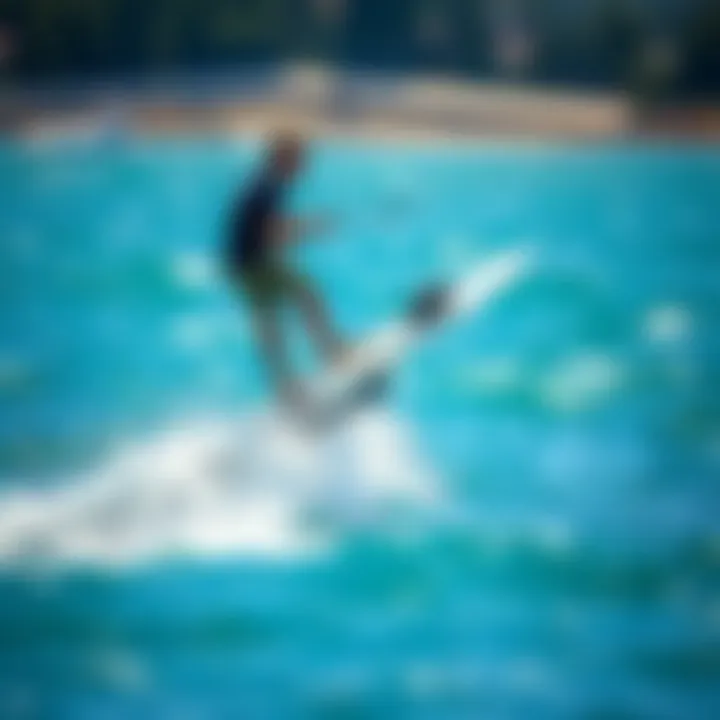
Hydrofoil surfing has garnered significant popularity in recent years, captivating water sports enthusiasts with its unique ability to ride above the waves. Unlike traditional surfing, where the board remains in constant contact with the water, hydrofoil surfing employs a hydrodynamic wing mounted beneath the board. This design allows surfers to glide seamlessly across the surface, minimising drag and elevating them into an exhilarating state of "flying" over water. In essence, it transforms the way riders engage with the ocean, offering a thrilling alternative that combines elements of surfing, windsurfing, and kitesurfing.
As this sport matures, a clearer understanding of its mechanics, gear, and techniques becomes essential for both novices and experienced practitioners. What lies ahead are insights into the fundamental aspects of hydrofoil surfing—from the necessary equipment to the best practices for mastering its intricacies. With this knowledge, you can embark on an adventure that is not just about adrenaline but also about connecting with nature in a unique way.
Gear and Equipment
To fully participate in hydrofoil surfing, a solid understanding of the gear and equipment required is essential. This sport involves a range of components that work together to provide a safe and enjoyable experience.
Essential Hydrofoil Gear: A Comprehensive Guide
- Hydrofoil Board: The heart of the setup, a hydrofoil board usually features an elevated platform connected to a foil beneath. These boards vary in size and shape, tailored for different surfing styles and skill levels.
- Foil System: Comprised of a mast, wing, and stabilizer, this system determines lift, speed, and stability. The wings come in various shapes and sizes, impacting performance.
- Wetsuit: Depending on the water temperature, a wetsuit may be necessary for both protection and insulation. It ensures comfort and safety during lengthy sessions.
- Leash: This essential safety tool connects the rider to the board, preventing the board from drifting away if you fall.
- Helmet and Impact Vest: For added safety, especially for beginners, wearing a helmet and an impact vest can help protect critical areas in case of a fall.
Maintenance Tips for Hydrofoil Equipment
Maintaining your hydrofoil gear is crucial for enhancing longevity and performance. Here are some tips:
- Regular Inspection: Regularly check for any signs of damage or wear on the board and foil components.
- Rinse After Use: Always rinse the equipment with fresh water after use in saltwater to prevent corrosion and buildup.
- Dry Properly: Store your gear in a cool, dry area to prevent mold and degradation of materials over time.
- Check Screws and Connections: Ensure that all screws and connections are tight and secure before heading out.
Techniques and Skills
Proper techniques can make all the difference in mastering hydrofoil surfing. While it may seem daunting at first, with practice, novices can develop a skill set that enhances overall riding experience.
Beginner Techniques to Get Started with Hydrofoil Surfing
- Balance Practice: Start by balancing on the board while stationary on land. This helps in developing core strength.
- Small Lifts: Begin in flat water, slowly introducing lift by leaning back and shifting your weight as you gain speed.
- Controlled Falls: Falling is a part of the learning process. Understanding how to fall safely—by staying relaxed and going feet first—can prevent injuries.
Advanced Maneuvers for Experienced Riders
- Carving Turns: Mastering the technique of carving can elevate your riding from basic to more advanced levels.
- Jumps: Once comfortable, work towards performing small jumps or airs, using the lift provided by the foil.
- Transitions: Practice switching foot positions while riding; this adds fluidity to your movements.
In the world of hydrofoil surfing, constant learning and practice is the key to refining skills and exploring new horizons.
As hydrofoil surfing continues to evolve, understanding its gear, techniques, and maintenance is crucial for both fun and safety. The allure of flying over the waves and the thrill of mastering the conditions only enhances the appeal of this unique sport.
Understanding Hydrofoil Surfing
Hydrofoil surfing has gained traction in recent years, attracting a diverse range of water sports enthusiasts. This activity combines elements of traditional surfing and the innovation of hydrodynamic engineering. The significance of understanding hydrofoil surfing lies not only in its thrilling experience but also in the unique dynamics that separate it from conventional surfing. Riders glide above the water instead of sitting on it, which reduces drag and opens up a new realm of both speed and agility on the waves.
One major aspect of hydrofoil surfing is the technology behind it, which allows surfers to rise several feet above the water's surface. This elevation diminishes drag remarkably, making it easier to ride at higher speeds and in less optimal conditions. Recognizing these fundamental mechanics provides a foundation for appreciating the skill and finesse required to master hydrofoil surfing.
Additionally, understanding how hydrofoil surfing has evolved is paramount. Initially, this technology was primarily associated with boat designs, eventually finding its way into the realm of surfing after innovations from windsurfing and kitesurfing communities. The evolution of hydrofoil technology offers insights into how innovation drives new sporting experiences.
Among the many advantages of hydrofoil surfing are the ability to traverse greater distances with less energy and the thrill of riding above the waves. However, it’s essential to consider the challenges, such as developing the skills needed to balance and control the hydrofoil, which can be daunting for beginners. Moreover, safety protocols and knowledge of local surfing conditions are critical for enjoying this sport responsibly.
Ultimately, gaining a comprehensive understanding of hydrofoil surfing is not just for avid surfers; it’s beneficial for anyone involved in watersports. The technical aspects, the thrilling nature of the ride, and the community surrounding hydrofoil surfing call for a deeper exploration into its mechanics, cultural implications, and future developments.
The Basics of Hydrofoil Technology
Hydrofoil technology is rooted in the principles of fluid dynamics. A hydrofoil is an underwater wing that generates lift as it moves through water. As a hydrofoil accelerates, it creates lower pressure above the wing and higher pressure below. This pressure differential lifts the board above the water's surface, allowing the surfer to glide effortlessly.
Key components of hydrofoil technology include:
- Foil: The actual structure that generates lift, available in different shapes and sizes to cater to various skill levels and wave conditions.
- Mast: The vertical component connecting the board to the foil, varying in height to accommodate the rider's preference and the type of surf conditions.
- Fuselage: Connects the mast to the foil, the length can affect stability and maneuverability.
This technology originated from aviation principles, applied to marine environments. Understanding these basics fosters greater appreciation for the maneuverability and speed offered by hydrofoils.
Origins and Evolution of Hydrofoil Surfing
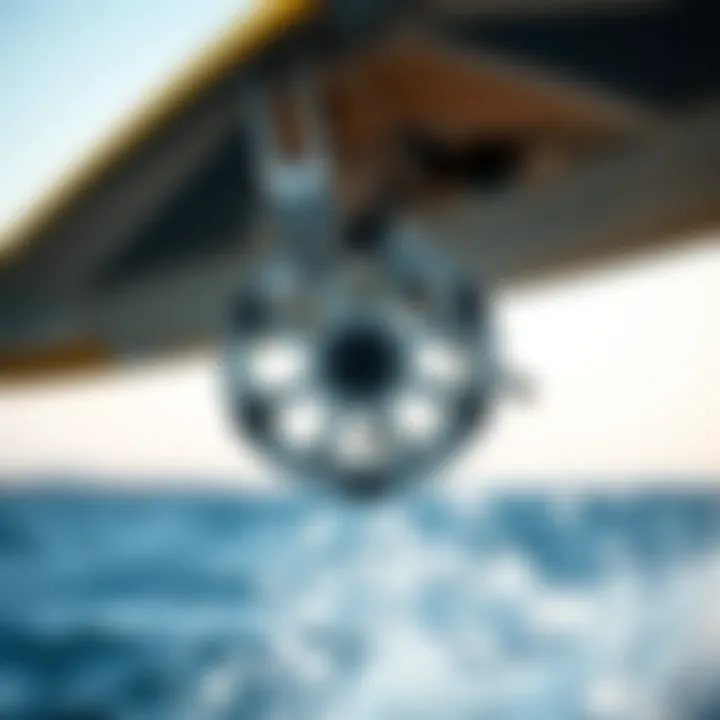
The history of hydrofoil surfing is a fascinating tale of innovation and experimentation. While the concept of a hydrodynamic lift-producing structure has been around since the early 1900s, the modern application began taking shape in the late 20th century. Pioneering figures in the field, like Bob Woodward and later, Tony Logosz, played pivotal roles in developing designs tailored for surfing.
Initially limited to specialized applications, it was the windsurfing community that introduced hydrofoil technology to broader audiences. Riders began to adapt traditional boards by attaching hydrofoil systems, which led to the first instances of hydrofoil surfing as we know it today. Over the years, advancements in materials and construction techniques, particularly in lightweight composite materials, have made hydrofoils more accessible, significantly impacting their design and integration with surfboards.
Interestingly, as more enthusiasts embraced hydrofoils, a vibrant community emerged, sharing knowledge and pushing the boundaries of what is possible. The evolution continues today with numerous manufacturers creating a variety of setups, from those suitable for beginners to advanced ones for seasoned surfers looking to perform complex maneuvers.
This rich history is essential for anyone delving into hydrofoil surfing, as it reflects a continuous quest for innovation and excitement in water sports. Embracing both the past and current trends can empower surfers to make informed choices about their equipment and techniques, enhancing their overall experience.
The Mechanics of Hydrofoil Surfing
Understanding the mechanics behind hydrofoil surfing is key to appreciating its exhilarating rush. The science of lift and drag, coupled with the unique design of hydrofoils, creates an experience that lets riders glide above the water's surface. This section will unfold the mechanics in a detailed manner, focusing on how hydrofoils work and the dynamics at play during the ride.
How Hydrofoils Function
At a fundamental level, hydrofoils operate on the same principles of aerodynamics as airplane wings. When a hydrofoil moves through water, its wing-like structure generates lift. As speed increases, the shape of the hydrofoil forces water to flow underneath it faster than above, resulting in reduced pressure beneath the foil. This difference in pressure elevates the board above the water, effectively minimizing drag.
The hydrofoil itself consists of several components:
- The Wing: This part, often made from lightweight materials like carbon fiber, defines the lift and stability.
- The Mast: Connecting the wing to the board, the mast's height varies, influencing how high the lift is achieved. Generally, longer masts allow for higher lifts and better handling of choppy water.
- The Fuselage: This part connects the mast to the front and rear wings, playing a role in overall stability and maneuverability.
A bit of trial and error goes a long way when choosing the right setup based on the conditions and personal skill level. Understanding how each component works together can lead to a more enjoyable and efficient ride.
Lift, Drag, and Control Dynamics
Lift and drag are crucial concepts in hydrofoil surfing, directly affecting performance. Lift is what raises the board, while drag is the resistance against the water. When a surfer optimally balances these two forces, they achieve the sweet spot that allows them to glide smoothly.
- Lift: Achieved primarily through the shape and angle of attack of the hydrofoil.
- Drag: It comes from factors like water resistance and the hydrofoil’s shape. Keeping drag to a minimum is fundamental for high speeds.
- A greater angle of attack increases lift, but can also lead to increased drag.
- Finding the balance can be quite a chore, especially for novices.
- Turbulent water can increase drag, hence the importance of choosing the right location to ride.
Surfers must also account for control dynamics. Much of the steering relies on the surfer's body movements. Leaning forward sways the board downwards, while leaning backward offers a lift. It’s all about reading the water and responding accordingly, making sure to position yourself properly to maintain balance.
"In hydrofoil surfing, awareness is key. The water may look calm, but underneath, the dynamics are always changing."
Mastering these mechanics leads to improved performance and confidence when surfing. With practice, surfers will learn to fine-tune their technique, reducing drag while maximizing lift, ultimately enhancing their experience on the water learning the essentials of hydrofoil surfing.
Essential Equipment for Hydrofoil Surfing
When it comes to hydrofoil surfing, having the right equipment can make all the difference between a thrilling session and a rather mundane experience. Unlike traditional surfing that relies primarily on your board and the wave, hydrofoil surfing introduces an entirely new dynamic. The equipment not only enhances performance but also plays a crucial role in the safety and comfort of the surfer. Here’s what you need to focus on when choosing your gear.
Choosing the Right Hydrofoil
Selecting the appropriate hydrofoil is at the very core of establishing a successful hydrofoil surfing experience. Hydrofoils come in different shapes, sizes, and materials, each tailored for specific conditions and skill levels. For instance, if you're new to the sport, you might want to consider a larger, more stable hydrofoil with a wide wingspan. This stability can help you feel more secure as you’re learning to balance on the water.
Conversely, seasoned surfers may opt for smaller, more nimble foils that offer increased agility and performance in challenging environments. It's also worth noting that carbon fiber hydrofoils, while on the pricier side, provide enhanced durability and lighter weight compared to aluminum options.
Some additional pointers in selecting a hydrofoil include:
- Wingspan: A larger wingspan typically generates more lift but might be harder to maneuver.
- Aspect Ratio: A high aspect ratio wing can improve efficiency and speed at the cost of stability.
- Foil Height: Consider the height of the mast; taller masts can handle larger waves but require more skill.
Surfboards Compatible with Hydrofoils
Finding a surfboard that's compatible with your hydrofoil setup is essential for a seamless experience on the water. Generally, a surfboard designed for hydrofoiling features a harness that allows you to securely mount the foil. These boards have a specific shape that optimizes lift and stability, reducing your chances of nosedives and improving control.
The common surfboards used with hydrofoils include:
- Foil-Specific Boards: They are typically shorter and wider, offering additional stability and control.
- Longboards with Foil Mounting Options: A longboard can give added buoyancy, making it easier for beginners to get the hang of things.
- Shortboards: Experienced surfers might prefer shorter boards for quick maneuvers.


When glancing through options at your local shop or online, don’t hesitate to consult with the staff for recommendations based on your skill level and local surf conditions.
Safety Gear and Accessories
While the thrill of hydrofoil surfing can be captivating, safety should never take a backseat. The right safety gear not only protects you from the elements and falls but can also enhance your performance in the water.
Key equipment recommendations include:
- Wetsuit or Dry Suit: Depending on your local water temperature, insulating your body is crucial.
- Impact Vest: This type of vest offers flotation and protects your ribs during falls.
- Helmet: A well-fitted helmet is vital to prevent head injuries during wipeouts or collisions, especially in crowded surf spots.
- Leash: Always use a strong leash to prevent losing your board in the water, ensuring both safety and convenience.
In addition to these essential items, considering personal flotation devices (PFD) can significantly increase safety, especially for those who are just starting.
"Safety gear might seem like a bother at first, but it can alleviate a world of headaches later."
When gearing up for hydrofoil surfing, investing time and resources into quality equipment is key. Selecting the right gear enhances not only your experience on the water but also paves the way for successful progression in this exhilarating sport. Whether you are a newbie or a seasoned rider, prioritizing these essentials will set you on the path to enjoyable and safe hydrofoil surfing.
Skills and Techniques for Hydrofoil Surfers
Hydrofoil surfing isn't just about standing on a board with a fancy attachment underneath. It requires a well-rounded skill set and a thorough understanding of various techniques. These elements are integral in not just enjoying the sport but also in mastering it. As surfers transition from traditional surfing to this more advanced discipline, knowing the right skills can make the difference between gliding smoothly above the water and crashing down hard.
The journey begins with fundamental skills that lay the groundwork for success. These initial capabilities ensure that newcomers develop balance, directional control, and the ability to read the water—factors that are crucial when riding a hydrofoil. As surfers become more comfortable, advanced maneuvers and tricks come into play. These not only enhance performance but also add an element of flair to the entire surfing experience.
Fundamental Skills for Beginners
Learning to hydrofoil starts with getting familiar with the equipment and understanding basic balance. Here are some essential skills that a beginner should focus on:
- Balance: Finding your footing can be quite the juggling act at first. Good balance is vital. Often, it helps to practice on land or a stable platform to feel the shifts of weight. Stand with feet shoulder-width apart and practice shifting weight from heel to toe while maintaining stability.
- Paddling: Before you even hit the waves, get comfortable with paddling on your surfboard. This skills helps in transitioning into a standing position smoothly. Beginners need to ensure they can paddle smoothly and get into position without undue fuss.
- Getting Up: The act of rising from paddling to standing on the board is pivotal. Some find it easier to practice this on flat water conditions, gradually applying it to waves. The focus should be on fluidity; sudden movements can lead to instability and falls.
- Directional Control: Once standing, it’s crucial to learn how to steer the board. Beginners should practice carving and turning by shifting weight, leaning into the turn, and controlling the foil’s rise and fall.
- Reading Conditions: Recognizing water conditions is often an overlooked skill. Understanding how surf and winds affect riding can prepare surfers for better experiences. This involves paying attention to wave patterns, wind direction, and how they influence your flight.
The first few sessions can be challenging, but the right approach to mastering these fundamental skills will create a solid foundation for growth.
Advanced Maneuvers and Tricks
Once a surfer has a handle on the fundamentals, the excitement of taking on advanced maneuvers kicks in. These can elevate a hydrofoil surfing experience significantly:
- Carving Turns: Unlike traditional surfing, carving with a hydrofoil allows surfers to use the lift provided by the foil to maintain speed through turns. A well-executed carve not only looks impressive but feels exhilarating.
- Ollies and Jumps: Learning to pop off the water can be immensely satisfying. This maneuver requires good timing and the right technique—something that will take time to perfect, but the thrill it brings is unmatched.
- Tricks in the Air: For those looking to push the limits, aerial tricks like spins can be attempted. This escalates the level of difficulty and comes with its challenges, requiring an understanding of weight distribution during flight.
- Wave Riding: Riding waves rather than flat water introduces a new dynamic, where surfers must adjust their technique to compensate for the turbulent water. Balancing lift and drag becomes even more essential, changing the game entirely.
As they tackle these advanced techniques, surfers will not only improve their skills but also discover their own style within the sport. The fluid movements of hydrofoil surfing, combined with personal flair, contribute to a rich and rewarding experience. This blend of skill and creativity will keep the community thriving as new riders come aboard.
"Mastering hydrofoil surfing skills is not just about achieving the next trick—it's about embracing the journey, enjoying the ride, and pushing the limits of what's possible."
Keeping these techniques in mind, both beginners and experienced surfers can approach hydrofoil surfing with confidence and excitement. And with practice, understanding, and a passion for the water, the hydrofoil community continues to grow and evolve.
Challenges and Risks in Hydrofoil Surfing
Hydrofoil surfing may seem like an adrenaline-fueled adventure, but it's not just about catching that perfect wave. There are multifaceted challenges and risks that every surfer, whether newbie or seasoned pro, must be aware of, many of which can affect both enjoyment and safety. Understanding these hurdles not only promotes responsible riding but also equips surfers with the knowledge to mitigate potential issues. The more you know, the better the ride, as they say.
Understanding the Risks
The allure of soaring above the water comes with its own set of tribulations. Hydrofoil surfers are prone to unique risks due to the equipment's design and usage. Here are some key elements:
- Falling Risks: Unlike traditional surfing, where falls are somewhat cushioned by the ocean surface, hydrofoil surfers may experience more dramatic spills. The hydrofoil itself—sharp, often metal, and with wings—can pose a danger during a wipeout.
- Impact Injuries: A fall at speed can lead to collisions with the board or the foils, resulting in cuts, bruises, or more severe injuries. Warnings against surfing in crowded areas are common advice, and rightly so.
- Environmental Factors: Surfing spots can have hidden dangers like submerged rocks or unseen currents. These hazards can catch anyone off guard, particularly when attempting new moves.
- Equipment Failure: Technical malfunctions can occur, leading to sudden loss of control. Regular maintenance checks are paramount to ensure gear integrity.
Surfers must be vigilant about these risks. Awareness is half the battle; understanding how to balance the thrill of the ride with safety is crucial. As the old adage goes, "better safe than sorry."
Overcoming Physical and Mental Barriers
Hydrofoil surfing demands not only physical prowess but also a sharp mental game. Various barriers can be encountered:
- Physical Strain: The initial learning curve can be steep. It requires a good core strength and balance. Many might feel an overwhelming frustration when they fall repeatedly, which can hamper confidence.
- Fear of Falling: The thought of bailing at an awkward angle can lead to hesitation. This mental block is a common hurdle. Surfers need to cultivate a mindset that embraces failure as part of the journey.
- Overcoming Injuries: Previous experiences with injuries can sow seeds of doubt. It’s crucial to understand that as surfers gain experience, the chances of injury generally decrease. Equip yourself with wisdom and plan your sessions wisely.
To foster progress, it’s beneficial to approach hydrofoiling progressively. Start in calm conditions to build confidence before tackling more formidable waves. Additionally, brainstorming with fellow surfers and sharing experiences can shed light on strategies that may ease anxiety and equip learners with effective techniques to tackle fears head-on.
"Every time you wipe out, consider it a lesson learned—an opportunity to refine your craft."
By focusing both on the practical and psychological aspects of hydrofoil surfing, enthusiasts can enhance their experience. Seeking guidance from instructors or joining a community, both online and offline, helps in breaking through barriers that can otherwise deter surfers from mastering this thrilling sport. Remember, equilibrium between thrill-seeking and caution makes for a more enriching adventure.
Environmental Impact and Sustainability
Assessing the Environmental Footprint
Understanding the environmental impact of hydrofoil surfing is crucial in today's world where outdoor activities increasingly overlap with concerns about sustainability. The emergence of this innovative sport, riding gracefully above the surface, raises questions about how it interacts with marine ecosystems. As thrill-seekers glide on their hydrofoils, it beckons the inquiry: Are we doing no harm while enjoying the waves?
Hydrofoil surfing minimizes contact with water during riding, theoretically reducing disturbances to marine life compared to traditional surfing. However, it isn't all smooth sailing. The materials used in constructing hydrofoils can leave a significant mark on the environment. Aluminum, carbon fiber, and plastics are common in these setups, and their production often comes with a hefty energy cost and emissions. Hence, it’s essential to consider both the manufacturing process of gear and the overall longevity of the products. More durable equipment means less frequent replacements, thus less waste.
Additionally, the locations where hydrofoil surfing takes place can provide another layer of complexity. Many prime spots are sensitive ecosystems. Areas like coral reefs or marine reserves may suffer if hydrofoilers do not respectfully navigate their surroundings. Using technology to track and understand the ecological footprint on these sites can help mitigate potential impacts.
"We must balance our exploration with our responsibility to protect the environments we enjoy."
Promoting Sustainable Practices
In a world where environmental sustainability hangs in the balance, promoting sustainable practices within hydrofoil surfing is more vital than ever. Making conscious decisions can lead to a collective positive impact on our beloved oceans and coastlines. Here are several ways that hydrofoil surfers can contribute to sustainability:
- Choose Eco-Friendly Gear: Opt for surfboards and hydrofoils crafted from sustainable materials. Many manufacturers are now realizing the importance of this, creating products that reduce reliance on non-renewable resources.
- Use Local Knowledge: Engage with local surf communities to understand conservation efforts in the area. Knowledge from those who know the waters firsthand can illuminate best practices for sustainability.
- Participate in Clean-Up Initiatives: Partake in beach clean-up events or support organizations that work towards preserving marine ecosystems. Engaging with the community not only improves the environment but also fosters camaraderie among fellow surfers.
- Educate and Advocate: Share insights about the environmental impact of hydrofoil surfing within your circle. Encouraging others to be mindful of their actions can amplify the movement toward responsible riding.
Ultimately, protecting the environment as hydrofoil surfers requires a shift in mindset, embracing our role not just as adventurers, but as stewards of the ocean. By making informed choices and promoting sustainable practices, the hydrofoil community can ride the waves while safeguarding the very spaces we cherish.
The Future of Hydrofoil Surfing
The future of hydrofoil surfing holds immense potential and promise, particularly in an era where technology rapidly advances and outdoor sports continually evolve. As enthusiasts and innovators get involved, the sport is not just gaining traction but is also evolving into a dynamic community that integrates various disciplines. With advancements in technology, equipment design, and an expanding culture surrounding hydrofoil surfing, the coming years could redefine how we view this exhilarating water sport.
Technological Advances on the Horizon
The development of hydrofoils is interlinked with new technologies that improve performance, safety, and sustainability. As we look forward, several key advancements are likely to shape the landscape of hydrofoil surfing:
- Materials Science: One of the most exciting areas is the use of advanced materials such as carbon fiber and lightweight composites. These materials not only enhance performance through strength and flexibility, but they also reduce weight, making it easier to handle the boards in various conditions.
- Hydrodynamic Designs: Innovations in computer-aided design (CAD) and fluid dynamics simulations are pushing the boundaries of hydrofoil shapes. These enhanced designs will allow for better lift and control, translating to smoother rides and the potential for more complex maneuvers.
- Electric Hydrofoils: Battery technology is heading in a promising direction, paving the way for electric-powered hydrofoils that allow surfers to glide effortlessly over water. This development can make hydrofoiling accessible to more people, as it minimizes the reliance on wind or waves.
"The true spirit of surfing transcends the physical boundaries set by ‘waves’ – with hydrofoiling, the entire ocean is your playground."
The Growing Community and Cultural Impact
As more people take to the water in pursuit of hydrofoil surfing, a vibrant community is blossoming around it. This growing collective not only fosters camaraderie among surfers but also encourages a cultural shift that emphasizes adventure, conservation, and technological exploration. Several factors contribute to this expansion:
- Global Events and Competitions: As interest in hydrofoil surfing grows, so does the number of events dedicated to the sport. International competitions further elevate visibility, attracting new riders and spectators. These events, showcasing incredible skill and innovation, play a key role in cementing hydrofoil surfing's place in water sports culture.
- Digital Engagement: Social media platforms and forums are pivotal in nurturing the hydrofoil surfing community. These spaces allow users to share experiences, tips, and equipment recommendations. Websites like reddit.com and forums centered around kiteboarding and outdoor sports are becoming hubs for exchanging information and fostering new friendships.
- Cross-Pollination of Cultures: Hydrofoil surfing is not just its own discipline, but a blending of surfing, kiteboarding, and windsurfing cultures. This cross-pollination allows for shared tricks and techniques, promoting a richer surfing culture while encouraging riders to learn and try different styles from each sport.
Ultimately, as hydrofoil surfing pushes boundaries both in technology and community, it becomes a catalyst for deeper connections with nature, growth in athleticism, and an evolving definition of freedom on the water.
Culmination
Hydrofoil surfing, a burgeoning discipline in the realm of water sports, offers a blend of innovation and exhilaration that can captivate both seasoned surfers and newcomers alike. This article has traversed the intricate pathways of hydrofoil surfing, delving into its mechanics, essential gear, and the skills required to navigate its unique challenges. Understanding the nuances of this sport not only enhances one’s ability to ride but fosters a deeper appreciation for the ride itself.
Summarizing the Hydrofoil Experience
The hydrofoil experience is unlike any other in water sports. At its core, it allows surfers to lift above the water, essentially flying over the surface. This lift is generated by the hydrofoil, which reduces drag and increases speed, elevating the thrill of surfing to new heights. Riders report a sense of freedom and fluidity that’s difficult to articulate; it’s a ballet with the ocean, where precision meets power.
"Riding a hydrofoil is like discovering a new dimension to surfing. It changes your perception of the sea."
— Experienced Hydrofoiler
From the initial learning curve to mastering advanced tricks, the joy found in hydrofoil surfing is deeply rewarding. Beginners can enjoy the rush of gliding above the waves with just a bit of practice and the right equipment, while veterans can push the limits of what’s possible, exploring new maneuvers and techniques. As surfers become more adept, the possibilities seem endless, opening doors to creativity and personal expression.
Final Thoughts on Safety and Progression
Safety in hydrofoil surfing is paramount, particularly as surfers venture into uncharted waters. Recognizing the risks involved—such as the potential for collisions, instability during takeoff and landing, and environmental factors—is crucial. Adopting preventive measures, such as wearing appropriate safety gear and practicing in suitable conditions, ensures a more enjoyable experience.
Moreover, progression in this sport comes from a balance of skill development and respect for the ocean. As surfers build their abilities, they should also remain attuned to the waves and weather, understanding how these elements impact their performance. Participating in workshops and engaging with local communities can be invaluable for growth and knowledge exchange.
In summary, hydrofoil surfing is as much about the journey as it is about the ride. With persistence and an open mind, surfers can truly make the most of the soaring experiences this sport offers.