Kite Surfing Antigua: A Comprehensive Exploration


Intro
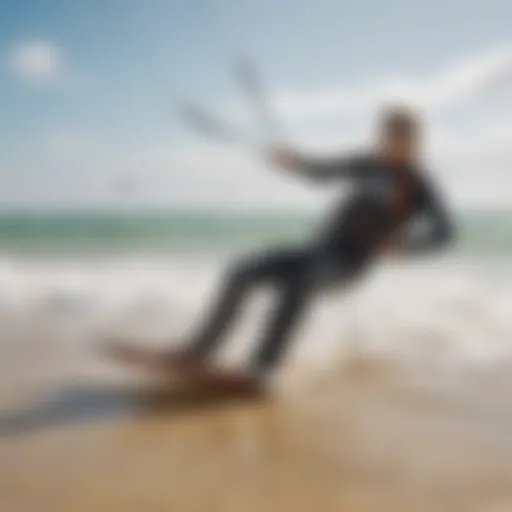
Kite surfing in Antigua isn't just a pastime; it's a thrilling blend of adrenaline, art, and nature. Picture this: you're standing at the coastline, the winds playfully tugging at your kite, while turquoise waves beckon you. Antigua's geography, with its diverse beaches and favorable winds, makes it a hotspot for kiteboarders, whether they're just beginning their journey or are seasoned pros testing their limits.
The local culture adds another layer of richness to the experience. From vibrant festivals celebrating the sea to the warm greetings from fellow enthusiasts, kite surfing in Antigua is not an isolated sport but a community affair. If you're wondering what’s essential gear-wise, or if you want to polish your technique, this guide aims to provide you with all the nitty-gritty. Get ready to navigate through gear selection, safety tips, and even local regulations that will keep your kite surfing escapade smooth and enjoyable.
Gear and Equipment
Getting the right gear can make or break your experience. In this section, we’ll pull back the curtain on what it really takes to gear up for kite surfing in Antigua.
Essential Kiteboarding Gear: A Comprehensive Guide
- Kite: Choosing the right kite is paramount. Depending on the conditions, whether it’s a lighter breeze or a stronger wind, you might opt for an inflatable kite or a hybrid type. For beginners, a smaller kite, maybe around 8 to 10 meters, makes for a safer option.
- Board: The board you choose heavily influences your riding style. Freeride boards are versatile, ideal for various conditions, while directional boards are typically used for waves. If you’re starting out, a twin-tip board will serve you well.
- Harness: A good harness is crucial for comfort and control. Look for a thing that fits snug but isn’t too tight. There are seat harnesses and waist harnesses; both have their benefits based on preferences.
- Safety Equipment: This isn’t just a recommendation; it’s a necessity. Helmets, impact vests, and safety leashes can protect you from accidents, which can arise unexpectedly in the water.
- Accessories: Sunglasses, a wetsuit, and sunscreen might not be the first things you think of, but they definitely belong on your packing list. Antigua can have intense sun, and protecting your skin while keeping your vision clear should be a priority.
Maintenance Tips for Kiteboarding Equipment
Like any sport, proper maintenance can extend the life of your gear.
- Regular Inspection: Check your lines for any signs of fraying. A small nick can lead to failure when you're out on the water.
- Cleaning: After a session, rinse your gear with fresh water to prevent salt and sand build-up. Salt can be corrosive, and keeping your equipment clean enhances its longevity.
- Storage: Store your kite and board in a cool, dry place. Over time, extreme temperatures can warp your gear and affect performance.
Taking care of your equipment not only enhances your safety but also prolongs your investment in an exhilarating sport.
"The gear you ride can either tie you down or set you free—choose wisely."
With the right gear sorted, you're now ready to tackle the waves of Antigua with confidence. Next, we’ll shift our focus to the techniques and skills that will elevate your kite surfing game.
Preamble to Kite Surfing in Antigua
Kite surfing has rapidly carved out a niche in the hearts of adventure lovers around the globe, and Antigua is no exception. The island, famed for its stunning beaches and crystal-clear waters, acknowledges its place on the map as a kite surfing paradise. An exploration into kite surfing in Antigua reveals not just a sport, but a vibrant community intertwined with the culture and natural beauty of the island. This introduction aims to contextualize this thrilling activity, showcasing why studying the nuances of kite surfing here is essential for enthusiasts and newcomers alike.
The Allure of the Caribbean
Antigua's location in the Caribbean makes it uniquely appealing for kite surfers. The region boasts an array of natural features that create an inviting playground for seasoned riders and beginners. With average temperatures hovering around 80°F, the climate is a constant draw, allowing for year-round kite surfing opportunities. The trade winds which sweep across the island provide reliable wind conditions, stirring excitement and adventure.
Imagine gliding over the turquoise waters with palm trees swaying in the background, that picture-perfect ambiance is hard to beat. Moreover, while many spots around the world might prioritize waves for surfing, Antigua’s flat water conditions create a welcoming space for those just starting their kiteboarding journey.
In essence, the charm of the Caribbean is not merely in its waters but in the whole experience it offers, drawing kite surfers who crave that balance of thrill and leisure.
History and Growth of Kite Surfing
Kite surfing’s evolution on the island is a story worth telling. The sport started gaining traction in the late 1990s and early 2000s, with a handful of locals embracing the exciting new trend. Wind and water played their parts in laying the foundation for this burgeoning community. Early enthusiasts strapped themselves to kites with homemade boards, showcasing a dogged determination to catch the wind.
As kite surfing gained momentum, local businesses started to take notice. Schools began popping up, offering training for anyone keen to learn the ropes. The increased interest fostered a supportive environment where kite surfers could share tips, techniques, and local knowledge.
Furthermore, the introduction of annual kite surfing competitions not only bolstered the social aspect of the sport but also put Antigua on the international kiteboarding map. These events attracted riders from various backgrounds, further enriching the local kite surfing culture. Today, the sport has evolved into a dynamic mix of recreational fun and competitive thrill, embodying a robust legacy that continues to expand.
Geographical Characteristics
Understanding the geographical characteristics of Antigua is crucial when exploring kite surfing, as these elements play a significant role in determining the overall kiteboarding experience. The island's unique topography and climatic conditions combine to create a kite surfer's paradise. The varied landscape not only enhances the aesthetic appeal but also impacts wind patterns, water quality, and the availability of prime kiteboarding spots.
Ideal Wind Conditions
Antigua benefits from consistent trade winds, particularly from December to August, which provide excellent conditions for kite surfing. These winds generally blow from the east-northeast, creating steady, reliable conditions that fulfill the desires of both beginners and seasoned riders alike. Areas like Long Bay or Half Moon Bay are celebrated for their optimal wind speed, usually averaging between 15 to 25 knots. Riders often find that the wind's consistency allows for longer sessions on the water without the worry of sudden gusts that could unsettle their board. Also crucial is the wind direction; here, it offers side-on conditions, ideal for both launching kites and maintaining safety with space between surfers, adding to the allure for kite surfers of all stripes.
Water Integrity and Environment
The quality of water in Antigua is another significant aspect. The Caribbean Sea surrounding the island boasts crystal-clear waters that not only invite exploration but also ensure a safer environment for kite surfers. This transparency allows riders to enjoy the thrilling experience of seeing colorful marine life underneath their boards. However, it's not just about the scenery — cleaner waters contribute to better overall safety for those participating in the sport. A healthy marine environment is paramount, as it remains vital for locals and visitors alike, ensuring a sustainable future for kite surfing. Additionally, the absence of strong currents in many areas offers a smoother sailing experience, allowing novice surfers to practice without fear.
Diverse Kiteboarding Spots
The geography of Antigua includes a range of kiteboarding spots, each with its unique features that cater to various skill levels. The diversity in locations creates an expansive playground for kite surfers, whether they are just learning the ropes or working on complex tricks.


Long Bay
Long Bay stands out as one of the most popular kiteboarding locations in Antigua. The beach is long and wide, providing ample space for launching kites and riding without colliding with other surfers. With its steady wind conditions and warm water, Long Bay attracts both beginners and experienced kite boarders. Additionally, the shallow waters extend a fair distance from the shore, making it easier for newcomers to practice without fear of deep water. However, on busy days, the sandy bottom can get crowded, so it's best to choose a less populated time.
Green Island
A short distance from the mainland, Green Island captivates kite surfers with its untouched beauty. The winds here can be slightly more variable than at Long Bay, but the experience is worthwhile. Surfers can enjoy the pristine surroundings and relatively untouched nature, providing a sense of solitude and adventure. It’s also a prime spot for those interested in exploring nearby snorkeling or other water activities after an exhilarating session. The unique characteristic of Green Island is its isolation, which provides an escape from the hustle and bustle found on the more popular beaches.
Half Moon Bay
Half Moon Bay serves as another high-flying highlight for kite surfers drawn to Antigua. The unique crescent shape of the bay naturally creates a wind tunnel effect, enhancing the wind conditions significantly. This makes it an ideal spot for both practicing tricks and enjoying smooth rides. However, part of the bay can have stronger currents, so being aware of these conditions is vital. The picturesque scenery surrounding Half Moon Bay, with its striking cliffs and vibrant sunsets, adds to the overall allure, making every kiteboarding session feel like an escape into paradise.
Harnessing the right geographical aspects can transform kite surfing from an ordinary activity into an extraordinary adventure. The interplay of wind, water, and unique locations truly elevates the experience.
Skill Levels and Instruction
Understanding the various skill levels in kite surfing is crucial for both enthusiasts and instructors alike. It's not just about knowing how to catch a wave; it's about progressively advancing through stages of competency while ensuring safety and enjoyment. The beauty of kite surfing in Antigua lies in its accessibility to a range of skill levels, from novices taking their first steps on the water to seasoned veterans perfecting their tricks. Each level offers distinct challenges and rewards, making the sport both engaging and fulfilling.
Beginners’ Guide to Kite Surfing
For those just starting, kite surfing might seem intimidating, but fear not! With proper guidance, anyone can learn. The first step is often finding a reputable school. In Antigua, there are several instructional centers equipped with experienced instructors. They emphasize the following key elements:
- Safety First: Before setting a foot on a board, learning about safety procedures is paramount. Understand wind patterns, how to use safety gear, and what to do in case of an emergency.
- Choosing the Right Gear: Beginners should prioritize purchasing or renting equipment that suits their body size and skill level. Specific kites and boards are designed for novices, making it easier to learn.
- Basic Techniques: The focus during initial lessons is on body dragging and controlling the kite on the water. It’s essential to grasp these fundamentals before attempting to stand up on the board.
Intermediate Techniques
Once a rider feels comfortable on the water and has mastered the basics, it’s time to explore intermediate techniques. This stage often involves learning how to:
- Ride Upwind: This is a crucial skill that allows kite surfers to return to their starting point rather than drift away.
- Jumping: Learning to jump not only adds excitement but also builds confidence. Techniques involve understanding kite position and body weight distribution.
- Turning Techniques: Mastering smooth transitions between toe-side and heel-side riding can give riders a more rounded experience and greater control.
Advanced Maneuvers
For those who have conquered the earlier stages, the world of advanced kite surfing opens up a new realm of possibilities. Here, riders can refine their skills by focusing on:
- Tricks and Spins: From basic spins to complex jumps, the trickery involves a combination of speed and kite control. It's where creativity takes the front seat.
- Surfing with a Kite: This technique merges kite surfing with surfboard riding, often favored in the waves around Antigua.
- Darkslides and Handle Passes: These are tricks that require both years of practice and a deep understanding of kite dynamics. Mastery brings respect within the kiteboarding community and a sense of personal achievement.
"Kite surfing is not just a sport; it's a lifestyle. Embracing the journey from beginner to advanced is part of the thrill."
Each level of kite surfing not only hones technical skills but also fosters a sense of community. As riders advance, they often find themselves connecting with others in the sport, sharing tips and experiences that enrich their journey. By emphasizing proper instruction at every phase, kite surfing in Antigua remains a safe and enjoyable sport, allowing the island's beautiful waters to be embraced by all.
Essential Gear for Kite Surfing
When setting out to enjoy the thrill of kite surfing in Antigua, having the right gear is crucial to ensure safety, performance, and enjoyment. The unique conditions of the Caribbean waters require specific equipment tailored to the environment and individual riding styles. Understanding the importance of each gear component can make a world of difference in your kite surfing experience.
Kites: Types and Specifications
The kite is the heart and soul of your setup. Choosing the right type of kite directly impacts your performance on the water. Here are the main types you might encounter:
- Foil Kites: These are popular for their ease of use and stability. They inflate with air, making them lightweight and ideal for beginners.
- LEI (Leading Edge Inflatable) Kites: Known for their robustness, these kites have inflatable edges that help maintain shape. They're a go-to for both amateurs and pros looking for a versatile option.
- Hybrid Kites: As the name suggests, they combine features from both foil and LEI kites, thus accommodating various styles and conditions.
When considering specifications, think about size and design. Kites vary in sizes usually ranging from 3m to 17m. A larger kite catches more wind, which is excellent for lighter winds, while smaller kites are better suited for strong winds. Furthermore, pay attention to the aspect ratio – this indicates the width compared to the height; a higher ratio means better speed and performance but may be less stable for novices.
Boards: Choosing the Right Kind
Once you have selected your kite, it's time to focus on the board. Kite boards come in several forms, tailored to the riders' needs and the conditions. Here are common types:
- Twin Tips: Most versatile and widely used, great for beginners and freestyle riders.
- Directional Boards: This type resembles traditional surfboards and is designed for wave riding, offering an exhilarating experience in choppy waters.
- Foil Boards: These boards have a hydrofoil that allows you to glide above the water, ideal for advanced riders looking for something new.
Choosing the right board also means considering the material. Most boards are made from fiberglass or carbon fiber; while fiberglass is durable and easier to handle, carbon fiber offers better performance but can be pricier. The foot straps and pads play a significant role too; having a comfortable grip can enhance performance and prevent foot fatigue during longer sessions.
Safety Equipment: Must-Haves
Safety can never be overlooked, whether you're a seasoned kiteboarder or just starting out. The importance of safety equipment can't be stressed enough. Here’s a list of essential safety gear:


- Harness: Whether it's a waist or seat harness, securing it properly can help distribute the pull of the kite throughout your body.
- Helmet: Protects your head from impacts, especially in crowded spots or during tricks.
- Impact Vest: Offers buoyancy and protects your torso during falls.
- Releasable Kite Lines: They allow for immediate detachment from the kite in emergencies, giving you a quick escape route if things go sideways.
- Safety Lanyard: Attaching your safety leash to your harness helps keep you connected to the kite and reduces the chance of losing it in rough conditions.
Having the right safety gear is not just about complying with regulations; it's about enjoying the ride without worrying about what might happen.
In summary, ensuring you have the correct gear – from kites and boards to essential safety equipment – significantly boosts your kite surfing adventure. Consider each piece carefully and remember, investing in quality gear is investing in your safety and experience.
Understanding Local Regulations
Navigating the world of kite surfing in Antigua requires more than just understanding water conditions, equipment, or technique. Familiarizing oneself with local regulations is vital for a seamless and responsible kite boarding experience. These regulations not only safeguard the oceanic environment but also ensure that all enthusiasts can enjoy the sport safely and cohesively. Next, we'll explore two crucial aspects under this umbrella: permits and permissions, along with necessary safety standards to follow.
Permits and Permissions
Before you hit the surf, it is important to be aware of any permits or permissions required for kite surfing in Antigua. Each local area may have different regulations, often enforced by »local governments or waterfront management organizations. For instance, kiting on certain beaches might require a permit or be restricted during certain hours, especially around residential areas.
Here are some essential insights:
- Check Local Guidelines: Visit the Antigua and Barbuda government website or local tourism boards for updated regulations that are area-specific.
- Permit Application: If a permit is required, it often involves filling out an application form, which can include details of your level of experience and the period you plan to kite.
- Respect No-Go Zones: Some parts of the coastline may be off-limits to protect marine life and habitats. Adhering to these boundaries not only promotes sustainability but also shows respect for the environment.
Navigating the permit process may seem tedious, but it’s a small step for ensuring the long-term preservation of kite surfing spots. Moreover, being on the right side of those regulations helps build a positive relationship with the local community.
Safety Standards to Follow
When talking about kite surfing in any capacity, safety cannot be an afterthought. Ensuring that everyone adheres to safety standards is integral to preventing accidents and keeping the joy of the sport alive. Here are key safety considerations:
- Equipment Checks: Always do a thorough check on your gear before launching into the water. Unripped kites, fully-functioning harnesses, and well-maintained boards can make the difference between an exhilarating ride and a catastrophic fall.
- Know Your Limitations: If the winds are howling or your energy is waning, it’s best not to push your limits. Understanding both the conditions and your skill level will keep things safe.
- Buddy System: Kite surfing can be challenging, and a buddy brings an added layer of safety. Having someone alongside means you can watch out for each other, and assist if the unexpected occurs.
"Safety first, adventure second!"
Besides the enjoyment of the ride, kiteboarders should always prioritize their safety and that of others. These guidelines not only enhance your own experience but also maintain the sport's integrity in Antigua.
In summary, as you plan for your kite surfing experience, ensuring compliance with local regulations around permits and safety standards is paramount. Ignoring these aspects may lead to uncomfortable situations, something every kiteboarder wishes to avoid. Therefore, being informed engenders a better, safer time on the water for everyone involved.
Cultural Context of Kite Surfing in Antigua
Kite surfing in Antigua transcends mere recreation; it intertwines with the very fabric of local culture and community. Understanding this dynamic is pivotal for anyone looking to immerse themselves in the kiteboarding experience on the island. The cultural context offers kite surfers not just the chance to ride the waves but to engage with the people and traditions of Antigua, enrichening their journey.
In Antigua, kite surfing is more than a sport. It serves as a social glue that binds various local communities together, fostering friendships and collaborations. This sense of belonging is valuable; it’s not uncommon for seasoned riders to mentor newcomers, ensuring that the love for the sport is passed down through generations.
Moreover, kite surfing reflects the island’s unique character and lifestyle. The vibrant colors of kites slicing through the turquoise waters mirror Antigua’s spirit—bright, lively, and full of life. Local riders often incorporate music and art from the island into their kiteboarding practice, creating a blend of sport and culture that resonates deeply within the community.
Local Communities and Their Role
Local communities play a fundamental role in shaping the kite surfing experience in Antigua. For instance, the tight-knit nature of these groups often leads to the formation of clubs and organizations, which are vital in promoting the sport. Whether it’s a casual meet-up on Windward Beach or organized events at Dickenson Bay, these gatherings foster an atmosphere of camaraderie.
Rider clubs allow everyone, from enthusiasts to experts, to connect and share knowledge. Beginners benefit greatly from the wizened tips of veterans, while experienced surfers find new challenges through collective activities. This interaction cultivates both skills and friendships, as kite surfers share not just tips, but also stories and experiences about their adventures.
Local businesses also have a stake in this game. Shops providing gear, schools offering lessons, and eateries catering to hungry travelers thrive on the traffic generated by the kiteboarding community. Supporting these enterprises not only benefits the local economy but enriches the overall experience for visitors.
Events and Competitions
Antigua regularly hosts a variety of kite surfing events and competitions, showcasing talent and enthusiasm while drawing attention from enthusiasts worldwide. These events offer kiteboarders the chance to push their limits and display their skills, but they also serve as cultural showcases for the island's rich heritage.
Each year, the Antigua Kite Surfing Festival becomes a landmark occasion. This festival isn’t solely about competition; it’s a vibrant celebration of kiteboarding interwoven with local music, dance, and gastronomy. It attracts participants from across the globe and provides a platform for local talent to shine.
"Events like these remind us that kite surfing is not just an individual sport; it’s about community and connection."
Through competitions, local riders gain exposure and recognition, which can launch promising careers. Additionally, these gatherings often raise awareness around sustainable practices in the sport, blending competitive spirit with an environmental consciousness that is increasingly vital in today’s world. In this blend of sport, culture, and environmental advocacy, kite surfing continues to thrive in Antigua.
In short, the cultural context of kite surfing in Antigua enriches the experience and connects riders to the local ethos in meaningful ways. Engaging with the community, participating in events, and celebrating the sport fosters an environment where everyone can learn, grow, and appreciate the stunning surroundings of the Caribbean.
Environmental Considerations


The beautiful landscape of Antigua is more than just a backdrop for kite surfing; it plays a pivotal role in the health of its unique ecosystems and the sustainability of the sport. Awareness of environmental considerations can mean the difference between enjoying this exhilarating sport today and preserving it for future generations. In this section, we delve into practical strategies for kite surf enthusiasts to tread lightly, while helping ensure that their wind and wave sports thrive amid changing environmental conditions.
Sustainable Practices
Sustainable practices in kite surfing are crucial for maintaining the ecological balance of Antigua’s coastal areas. Riders have a responsibility to minimize their impact on these delicate environments. Here are some guidelines:
- Respect Natural Resources: Always take care not to disturb local wildlife or their habitats. This means avoiding areas where animals may be nesting or resting, especially during breeding seasons.
- Use Eco-friendly Gear: Consider purchasing sustainable equipment. Some brands are now making kites and boards from environmentally friendly materials that reduce pollution and carbon footprints.
- Leave No Trace: After each session, make sure to clean up any waste, gear leftover, or litter you might see. This simple action can greatly contribute to the cleanliness of the natural spaces we enjoy.
- Support Local Initiatives: Engage with and support local organizations that focus on conservation and protecting marine ecosystems. This could involve volunteering for beach clean-ups or participating in community awareness programs.
In doing these things, riders not only preserve the beauty of Antigua but also foster a sense of community among fellow enthusiasts who share this dedication to nature.
Impact of Climate Change
Climate change poses a serious threat to kite surfing and coastal activities worldwide. Antigua is experiencing its own set of challenges, with rising sea levels, changing weather patterns, and increasing storm frequency that can affect the sport and its economics.
- Rising Sea Levels: As waters rise, the availability of kiteboarding spots may diminish, especially in low-lying areas. This can lead to increased competition for the remaining feasible locations.
- Changing Weather Patterns: Wind patterns are becoming less predictable. For kiteboarders, this means the seasons might shift, impacting the planning of trips and local competitions.
- Increased Storm Activity: More frequent and severe weather events can cause physical damage to popular kite spots and complicate the safety of riders.
"The impact of climate change isn’t an abstract concept but a reality that kite surfers in Antigua must reckon with every day. In understanding these dynamics, we can better prepare and advocate for protective measures."
By staying informed about these challenges, kite surfers can participate in dialogues about future strategies for both sport and conservation. It beckons an urgent call-to-action to unite as a community, ensuring their shared passion can withstand the test of time, even in the face of a changing climate.
In all, the nexus between kite surfing and the environment is profound. Practicing sustainable habits and acknowledging the effects of climate change can help maintain Antigua as a prime destination for the sport while nurturing its ecological treasures.
Building a Kiteboarding Community
Creating a lively kiteboarding community in Antigua is not just beneficial; it's essential. As kite surfers flock to the island, a solid support network can enhance their overall experience, making it richer and more accessible. This community acts like a web of shared experiences, where novices can learn from seasoned riders while all the riders can stay informed about upcoming events, safety practices, and even weather patterns that affect surfing conditions.
Engaging with fellow kite surfers smooths out the usual frustrations associated with learning the sport. In a place as beautiful as Antigua, where the sun and wind seem to conspire for perfect kite surfing conditions most of the year, taking the time to build connections can yield unforgettable moments on and off the water.
Connecting with Other Riders
Linking up with other kite surfers is not merely about sharing tips or wind conditions; it’s about building friendships over shared passions. Imagine heading out to Long Bay or Green Island with a group you've met through local forums or riding clubs. Bonding over new tricks, equipment discussions, and even a shared beach picnic can solidify these connections further.
Here are a few ways to tap into this vibrant community:
- Join local kite surfing schools: Many schools not only offer lessons but also organize community events. Catching wind with others who are learning or improving helps build camaraderie.
- Participate in local meet-ups: Finding local meet-ups through platforms like Facebook or regional kiteboards forums like reddit.com can be a great way to organize regular surf sessions and meet other riders.
- Volunteer at events or competitions: Helping with local competitions or festivals doesn't just give a sense of contribution; it’s another way to connect with enthusiasts who share your passion.
These connections can lead to collaboration on videos, sharing of tips, and increasing overall enjoyment of the sport.
Online Platforms and Forums
In the digital age, engaging with other kite surfers has never been easier. There are a multitude of online platforms and forums where enthusiasts can share their stories, advice, and questions. These communities serve as resources even when the waves aren’t calling.
Some online spaces to consider include:
- Facebook groups: Search for kite surfing groups specific to Antigua or general kite surfing communities. Members often share photos, upcoming events, or insights about conditions.
- Reddit: Platforms like reddit.com have various threads dedicated to kite surfing. Questions or experiences can get immediate feedback from a broad audience, from local experts to international veterans.
- Dedicated kiteboarding forums: Sites like kiteforum.com often host discussions from gear advice to local conditions, making it a go-to resource for budding kite surfers.
Engaging in these online platforms can enhance your knowledge about the sport, keeping you updated on the latest trends, gear, and techniques. It's a powerful extension of your local community, connecting global kite surfers who share a common love for the sport.
As the kiteboarding community in Antigua keeps growing, the importance of interactions—both in person and online—cannot be overstated. Each connection fosters learning, growing, and celebrating the joys of kite surfing, breathing more life into an already thriving activity.
Epilogue
As we reach the end of our exploration into kite surfing in Antigua, it’s crucial to take a moment to reflect on the elements and insights we've gathered. Kite surfing not only offers an adrenaline rush but also deeply connects participants with the breathtaking environment and local culture. Understanding the nuances of this sport in Antigua can significantly enhance the experience for enthusiasts, whether you're a seasoned kiteboarder or just starting.
The Future of Kite Surfing in Antigua
Looking ahead, the future of kite surfing in Antigua seems quite promising. The island continues to invest in promoting water sports, with new infrastructure and facilities catering to both local and international riders. With increasing global interest in kite surfing, Antigua is poised to become a more prominent player on the world stage. Local communities are increasingly recognizing the economic benefits that a robust kiteboarding scene can generate, leading to potential sponsorship and collaboration opportunities.
- New Events: There are plans to host more competitions, which would attract talent and tourists alike, enhancing the island's reputation.
- Technological Integration: Advances in kite surfing gear, from kites to boards, could make the sport more accessible while also keeping safety as a top priority. This could lure more beginners into the sport as they see their peers engage with enhanced equipment.
This landscape not only makes kite surfing safer but also more thrilling, with developments aimed at enriching the overall experience. Moreover, embracing sustainable practices, as mentioned earlier, will contribute to preserving the aquatic environments vital for the sport.
Final Thoughts for Enthusiasts
If you're not already engaged with the local kiteboarding community, take steps to participate in forums or social media groups. Websites like Reddit or Facebook groups can serve as excellent platforms for sharing experiences and advice.
Antigua's beauty isn't just in the pristine waters or the consistent winds, but also in the vibrant community that brings kite surfing to life. So, whether you are making your way to Long Bay or navigating the waters of Half Moon Bay, keep pushing your limits while cherishing the sport and the settings that make it truly spectacular.
By understanding and embracing these aspects, kite surfers can ensure that not only do they enjoy their time on the water but also contribute to a thriving and responsible kite surfing culture in Antigua.