Kite Surfing in San Diego: A Comprehensive Guide


Intro
Kite surfing has carved a niche in the heart of San Diego, drawing enthusiasts from all walks of life. The allure of big waves and steady winds creates a playground where both newbies and seasoned riders can thrive. This article dissects not just the thrill of the sport, but the intricate elements that pave the way for an exhilarating experience. From the rich history that birthed this dynamic sport to the essential gear that keeps surfers afloat, we’ll cover it all in this comprehensive guide.
San Diego’s unique coastal landscape makes it a prime location for kiteboarding. With prime spots that cater to varying skill levels, it’s no wonder that the local kite surfing community is both vibrant and welcoming. By delving into the technical aspects, skill development, safety considerations, and the local culture, this guide aims to elevate your kite surfing journey. Buckle up, as we explore the comprehensive world of kite surfing, where every gust of wind carries the promise of adventure.
Intro to Kite Surfing
Kite surfing, a thrilling blend of surfing and paragliding, has carved its niche in the world of water sports, and in places like San Diego, it’s become a vibrant part of local culture. The importance of introducing this sport lies not merely in understanding its mechanics but in appreciating the lifestyle it fosters. This section will outline the essence of kite surfing, uncovering specifics that elevate it beyond mere leisure activity.
Defining Kite Surfing
At its core, kite surfing is the act of harnessing wind power with a controllable kite to pull a rider across the water on a small board. The basic setup involves a kite, lines, and a board, with the kite serving as the primary propulsion source. Riders can traverse the ocean's surface at impressive speeds and even execute aerial tricks, which truly sets the sport apart.
It's essential to grasp that kite surfing isn’t just about the physical act; it’s also about the thrill of connecting with nature. Riders must adapt to the ever-changing wind and water conditions, transforming every session into a unique experience. The first ride can be daunting, with wind and waves constantly shifting, but once the rider finds their rhythm, the exhilaration is hard to match. It’s an active dance with the elements, blending skill with a zest for the unpredictable.
The Allure of Water Sports
Water sports like kite surfing provide an escape from the mundane, offering an exhilarating way to commune with nature. The allure lies not just in the adrenaline rush; it’s also about the liberating feeling of gliding over water, accompanied by the wind in one’s face and the sun warming one's skin. The vast expanse of the ocean invites adventure, encouraging individuals to step out of their comfort zones.
Moreover, the social aspect cannot be overlooked. Kite surfing attracts a community of diverse individuals, from seasoned pros to enthusiastic novices. This camaraderie fosters friendships and shared experiences, whether in an impromptu gathering on the beach or organized competitions that draw together riders from various backgrounds. It creates a culture of mentorship, where more experienced kite surfers help newcomers learn the ropes, literally and figuratively.
"Kite surfing isn't just a sport; it's a liberating experience, a way to connect with both nature and a community that shares the passion for adventure."
As the sun dips below the horizon, painting the sky in hues of orange and pink, there is a certain magic in the air that pulls kite surfers back for just one more ride. This introduction sets the stage for a deeper exploration into kite surfing, particularly in locales like San Diego, where conditions are ripe for both beginners and seasoned riders alike.
History of Kite Surfing
Understanding the history of kite surfing sheds light on how this exhilarating sport has evolved over the years. For enthusiasts, acknowledging the journey of kite surfing is akin to grasping the fundamental principles that govern the activity today. It enriches a rider’s experience by connecting them to the roots of the sport and its technological advancements. The story of kite surfing is not just about mastering the waves; it’s also a narrative of innovation, community, and the relentless human spirit to conquer nature's elements.
Origins and Evolution
Kite surfing originated from a blend of various water and wind sports. It traces its roots back to the late 1960s when adventurous spirits began experimenting with kites on surfboards. Early pioneers like Garry Williams and Jean Marie Jacquet played pivotal roles in defining what kiteboarding would eventually become. The sport experienced significant transformations throughout the 1980s and 1990s, as various designs and kite shapes were introduced, leading to improved stability and control.
Over time, advancements in kite technology, including the use of inflatable kites, revolutionized the sport. Traditional single-line kites became a thing of the past, as riders favored the versatility and power that modern kites provided. The aesthetic evolution of the sport became apparent as well, with colorful designs and eye-catching patterns captivating both riders and spectators alike.
The Rise of Popularity
The past two decades have witnessed a surge in kite surfing's popularity, and San Diego has been at the forefront of this wave. A number of factors contributed to kite surfing becoming a household name in water sports. First off, the proliferation of instructional schools and friendly local communities fostered an environment welcoming to beginners. Passionate instructors passed on their skills and ensured newcomers could safely experience the thrill of kite surfing with confidence.
Furthermore, the advent of social media platforms allowed riders to share their exhilarating experiences, effectively publicizing the sport to a wider audience. Videos of daring stunts and incredible landscapes attracted adventure travelers looking for their next adrenaline fix. As kite surfing competitions gained traction, both locally and internationally, the community enjoyed increased visibility and endorsement from sponsors.
Top-tier events like the Kiteboarding World Championships showcased the sport's talent, inspiring countless enthusiasts to pick up a kite and join in the fun. This undeniable growth led to a thriving market, complete with specialized gear manufacturers, local shops, and a bustling online marketplace. As kite surfing flourished, it also paved the way for sustainable practices and community initiatives that protect the natural environments in which surfers thrive.
Overall, the history of kite surfing is a fascinating tale of adaptability and innovation that continues to unfold. With each new wave, riders feel the connection to those who came before them, allowing the sport to evolve while remaining grounded in its roots.
San Diego: A Kite Surfing Haven
San Diego stands out as one of the prime locations for kite surfing, marrying breathtaking topographical features with a climate that's hard to beat. For enthusiasts drawn to the dance of the wind and waves, this coastal city offers more than just great surfing; it presents an entire culture and community built around this exhilarating sport. Its vibrant beach scene, coupled with the natural beauty of the surroundings, creates a unique setting that invites both seasoned riders and newcomers alike.
The importance of San Diego as a kite surfing haven lies in its varied landscape and favorable conditions. This region boasts a medley of beaches, each with its own character and charm, making it ideal for different skill levels. Moreover, the accessibility of these locations allows for easy exploration. Whether you are aiming to simply catch a breeze or push your limits, San Diego has the right spot for you.
Geographical Advantages
San Diego's geographical landscape is a treasure trove for adventure seekers. Nestled along the Pacific coast, the city is fringed by a series of beaches that stretch for miles. Each offers something unique for kite surfers:
- Mission Bay: This sheltered area boasts flat waters, making it perfect for beginners eager to learn the ropes without the interference of chopping waves.
- Ocean Beach: Known for its lively atmosphere, this location challenges more experienced surfers with its stronger winds and rolling waves.
- La Jolla Shores: This stretch offers a mix of conditions, allowing for striking views and various water conditions depending on the time of year.
- Silver Strand State Beach: More secluded, this spot provides ample space, catering to those looking for a quieter experience.
In addition to the diverse beach offerings, San Diego's topography creates natural wind funnels, ensuring consistent breezes. With the wind patterns often blowing from the west, the conditions are rarely stagnant, providing surfers with the exhilarating energy necessary for great performance.
Climate and Weather Patterns
The climate in San Diego is typically mild, which allows for kite surfing activities nearly year-round. On average, the city enjoys about 266 sunny days a year, with comfortable temperatures that rarely fall drastically. This consistent weather provides a stable environment for both practicing and enjoying kite surfing.


- Summer (June - August): Winds tend to be stronger, usually peaking in the afternoon. The water temperature can warm up to around 70°F, giving surfers a chance to hit the waves without the chilling sensation of cold water.
- Fall (September - November): A sweet spot for kite surfing, the winds remain favorable, and the crowds lessen after the summer buzz.
- Winter (December - February): While it can get a bit cooler, with temperatures ranging from the mid-50s to low-60s°F, skilled surfers often enjoy the solitude and different wind challenges that come with this season.
- Spring (March - May): As temperatures start to rise, spring brings about the infamous coastal winds, excellent for kite surfing.
In summary, the enviable climate coupled with the topographical advantages places San Diego firmly on the map for kite surfing. For those keen on the sport, advancing their skills or simply basking in the surf culture, it’s hard to beat this locale.
"In San Diego, the winds are not just a part of the climate; they are the very breath of life for kite surfers."
For more insights on kite surfing and community events, consider checking sites like Reddit Kite Surfing or Kiteboarding.com.
Best Kite Surfing Locations in San Diego
When it comes to kite surfing, the location you choose can make or break your experience. In San Diego, several spots stand out, each offering unique attributes that cater to various levels of kite surfers. Understanding these locations not only enhances the enjoyment and safety of the sport but also ensures that enthusiasts get the most out of their time on the water. Local conditions, such as wind patterns and water depth, play a vital role here. Whether you're a novice learning the ropes or an experienced rider seeking to catch a thrill, San Diego's diverse geography provides something for everyone.
Mission Bay
Mission Bay is a favorite among kite surfers, thanks to its vast and sheltered waters. It's a perfect playground for beginners, as the bay's calm waters reduce the chances of injury and help build confidence. The area is also known for its favorable wind conditions, particularly during the summer months. Here, riders can expect moderate breezes that suit both new and intermediate surfers well.
Additionally, Mission Bay boasts designated zones for kite surfing, allowing riders to enjoy the sport without the worry of colliding with other watercraft. The local community is warm and inviting, and it's common to see groups of surf enthusiasts sharing tips and tricks on the shoreline. This supportive atmosphere contributes to Mission Bay being not just a great location for the sport but also a social hub for the kiteboarding community.
Ocean Beach
Ocean Beach offers a more challenging environment for those looking to push their limits. Picture wide-open beaches with stronger winds and ocean swells that attract experienced kite surfers. The atmosphere here is vibrant, and it frequently hosts local events, bringing a sense of camaraderie among riders.
The waves can be compelling, and this spot is more suited for those already familiar with the basics of kite surfing. Surfers looking for adventure may find satisfaction in venturing out to the sandbar, where the waves can provide thrilling rides. It's essential to remain cautious, however, as the conditions can change rapidly. Riders should be prepared and aware of their skill level before taking to the waters in Ocean Beach.
La Jolla Shores
If you’re seeking stunning scenery while kite surfing, La Jolla Shores is hard to beat. This picturesque location not only offers a stunning vista of the coast but is also known for its varied conditions, making it a great spot for different skill levels. Early mornings often present ideal wind conditions, creating a peaceful environment for surfers to enjoy the sport.
When kite surfing here, it’s important to keep an eye on the local marine life, as the area is a protected habitat. Respecting these boundaries is a key part of enjoying kite surfing at this location. Additionally, the soft sandy bottom creates a comfortable landing cushion, further enhancing the appeal for riders who might tumble. The community around La Jolla Shores is passionate about ocean conservation, adding another layer to the kite surfing experience.
Silver Strand State Beach
Tucked away south of Coronado Island, Silver Strand State Beach provides a unique experience for kite surfers. Its elongated stretch of beach and consistent winds make it an attractive option for those wanting to escape the typical kite surfing hotspots.
Being less crowded than other areas means that riders often have more space to practice and enjoy their experience without worrying about others around them. The coastal setting here offers breathtaking sunset views that are almost too good to be true. Silver Strand is also known for the fantastic opportunities it presents to connect with other riders, fostering a sense of community. Riders of various skill levels gather here, ready to share their knowledge and passion for the sport.
Overall, the locations for kite surfing in San Diego are diverse and cater to all levels and preferences. From the sheltered, beginner-friendly waters of Mission Bay to the exhilarating waves found at Ocean Beach, every spot has its charm and attributes. Understanding what each locale offers can empower kite surfers to make informed choices, paving a path for thrilling sessions on the water.
Understanding Kite Surfing Equipment
Kite surfing, while thrilling and dynamic, relies heavily on the right equipment. Having a deep understanding of kite surfing equipment not only enhances performance but also ensures safety on the water. This section serves as a guide to help both new and seasoned kite surfers identify essential gear and selecting the right fit based on personal needs and conditions.
Essential Gear Components
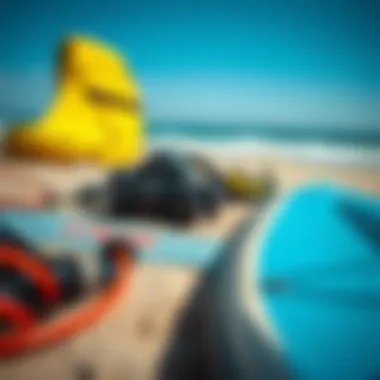
When it comes to kite surfing, having the right gear can make or break your experience. Here's a rundown of the key components:
- Kite: This is clearly the centerpiece of the sport. Kites come in various sizes and shapes, influencing power and stability. Understanding things like aspect ratio and wind range can help riders choose better.
- Control Bar: Connects the kite to the rider, allowing for maneuverability. It’s important to find a bar that feels comfortable and intuitive when you’re making sharp turns or riding in gusty conditions.
- Harness: Essential for distributing the force of the kite between your body and the control bar. A well-fitted harness can prevent back pain and improve control.
- Board: Boards vary widely—from twin-tips to surfboards—impacting how you ride and what waves you tackle. Consider your style whether it's freestyle, wave riding, or simply cruising.
- Lines: Typically made from super-strong materials like Dyneema, these connect the control bar to the kite. Proper maintenance and attention to line length can improve performance and safety.
- Safety Equipment: This includes a helmet and a buoyancy aid, providing that extra layer of security against unexpected wipeouts.
"Safety first, ride hard later. Equip wisely to enjoy the thrill." - Local Kiteboarding Instructor
Understanding these components lays the groundwork for making informed decisions about gear. It pays to do some homework—just as the right guitar can enhance a musician's melody, the right equipment can maximize a kite surfer's ride.
Selecting the Right Equipment
Choosing equipment is like picking a path through a maze; it's intricate but essential. Each rider has unique preferences and conditions to consider. Here are some pointers:
- Assess Your Skills: Beginners might want to start with larger kites for better stability, while advanced riders may prefer smaller sizes for more speed and control.
- Consider Local Conditions: San Diego's varying winds and water conditions should guide your gear choices. A kite that performs well in light winds may not suit choppy conditions.
- Test Before You Buy: Many shops offer demo days where you can try out different gear. Don’t shy away from these opportunities; experiencing equipment firsthand is invaluable.
- Seek Advice from Locals: Engaging with the kite surfing community can provide insights that you won’t find in advertisements—local riders can offer opinions on what works best based on actual conditions.
Careful consideration leads to a more enjoyable kite surfing experience. So, before hitting the waves, ensure your gear matches your style and the environment. Not all kite surfers are created equal; hence, your setup should reflect your individual journey on the water.
Safety Practices for Kite Surfing
Safety is not just a buzzword in kite surfing but a cornerstone for anyone venturing into this thrilling sport. With the wind racing through the sails and the waves crashing beneath the board, it's paramount to prioritize safety measures both for oneself and for others sharing the waters. Practicing safety ensures not only an enjoyable experience but also helps prevent accidents that can lead to serious injury or worse. In kite surfing, the dynamic environment can quickly shift, making it essential for riders to be well-prepared and informed.
Preparing for the Conditions
Before hitting the water, understanding the local conditions is crucial. The San Diego coastline can present a variety of challenges based on time of day, tidal changes, and seasonal weather patterns. For example:
- Wind Strength and Direction: Knowing the wind forecast is key. Winds blowing at 10-20 knots are generally ideal. Check local weather resources or use apps that provide real-time data specific to kite surfing conditions. This can make a world of difference in performance and safety.
- Water Level Variance: Be mindful of high and low tides. Some spots may become perilous during low tides, revealing rocks or other hazards. Inspect your chosen spot regularly.
- Wave Patterns: Assess the wave conditions. Are they small and manageable, or do they present challenges? This impacts not only your ride but also your ability to maintain control.
Understanding these conditions goes a long way toward ensuring a safe and enjoyable kite surfing experience.
Essential Safety Gear
Wearing the right gear is akin to wearing a seatbelt—it’s not just a recommendation; it’s a necessity. Below is a list of vital safety equipment to consider:
- Harness: Choose one that provides a comfortable fit and solid support. A good harness stabilizes your control over the kite, reducing strain on your body.
- Helmet: Always wear a helmet when kite surfing to protect against any potential head injuries resulting from falls or collisions.
- Impact Vest: Additional buoyancy and padding can protect vital organs during unexpected tumbles.
- Board Leash: This is crucial; it keeps your board close should you wipe out. Losing your board can be hazardous not just for you but for other surfers in the area.
- Safety Knife: It’s wise to carry a safety knife for emergencies, such as tangled lines.
Being equipped with the right gear not only enhances safety but also boosts confidence, enabling riders to focus on enjoying the thrill of kite surfing.
Communication and Signals
In kite surfing, clear communication can prevent mishaps that occur not only with your kite but also with other kite surfers or watercraft in the vicinity. Here are some critical tips:
- Body Language: Ensure to make eye contact and use hand signals to convey your intentions to others on the water. A simple thumbs-up or down can indicate your readiness to launch or land your kite.
- Directional Indicators: Familiarize yourself with the common signals used on the water, such as waving your arms to say you need help or pointing to indicate the direction you’re headed.
- Verbal Cues: Yell certain phrases loudly and clearly if conditions warrant it. For example, "clear!" can signal that you’re about to launch.
Important: Communication can be a lifesaver in crowded kite hotspots, so take the time to ensure everyone is on the same page.
Establishing a good line of communication helps maintain safety and assures everyone shares in the responsibilities of ensuring a safe riding environment.
By emphasizing safety before hitting the waves, kite surfers in San Diego can enjoy the stunning scenery and the adrenaline rush of the sport without compromising their well-being.
Environmental Considerations
In the world of kite surfing, an exhilarating sport that brings thrill and adventure, the relationship with the natural environment is paramount. Understanding and adhering to environmental considerations is essential for ensuring that kite surfing remains a sustainable activity in San Diego's beautiful coastal landscape. As enthusiasts take to the waves, they ought to keep in mind both the local ecosystem and the practices that support its preservation.
Respecting Marine Life
The waters off San Diego are not just a playground for kiteboarders; they’re home to an array of marine life that deserves respect and protection. From playful sea lions to majestic dolphins, these creatures create a vibrant underwater community.
When out on the water, it’s crucial to stay aware of these inhabitants. Avoid areas known for wildlife activity, especially during migration seasons or breeding times. Many times, you may spot a graceful leopard shark or even a curious seal, and maintaining a respectful distance is key.
Some practical steps to consider include:
- Avoiding specific zones, like breeding grounds, which can harm delicate ecosystems.
- Educating fellow riders about marine life so they can be mindful during their time on the waves.
- Reporting any injured or stranded marine animals to local wildlife rescue organizations. This simple act can make a notable difference in the lives of these creatures.
"Taking care of the ocean is not just a responsibility, it’s an act of love for the world we live in."
By fostering a respectful relationship with marine life, kite surfers contribute to the health of ecosystems that sustain both the sport and the communities around them.
Sustainable Practices
Sustainable practices encompass a range of actions that kite surfers can incorporate into their routines to minimize their impact on the environment. As the sport grows in popularity, recognizing the importance of sustainability becomes even more vital.
Here are some practical approaches:
- Gear Choices: Opt for brands that prioritize eco-friendly materials and ethical manufacturing processes. For example, choosing kiteboards and kites that use less plastic can significantly reduce environmental impact.
- Travel Responsibly: If coming from afar, consider carpooling with fellow enthusiasts or supporting businesses that promote low-impact travel methods.
- Clean Up: Participate in local beach clean-ups. The act of picking up trash after a session not only beautifies the environment but also slows down pollution that can harm marine life.
- Educate Others: Share knowledge about eco-friendly practices in the kiteboarding community. Creating awareness can inspire others to follow suit, amplifying the impact.
Incorporating these sustainable practices into your kite surfing lifestyle is not just beneficial for the environment, but it also enhances the overall experience, leaving both waters and beaches in better shape for future generations.
For more in-depth resources about ocean conservation, consider visiting National Oceanic and Atmospheric Administration or explore marine wildlife protection on platforms like Marine Conservation Society.
Ultimately, embracing environmental considerations in kite surfing ensures that this vibrant and exhilarating sport continues to thrive while preserving the splendor of San Diego’s coastal ecosystem.
Community and Culture of Kite Surfing in San Diego
The community and culture surrounding kite surfing in San Diego is vibrant and multifaceted. This aspect is crucial to understanding not just the sport itself, but also the lifestyle and camaraderie that come with it. The essence of kite surfing here extends beyond individual performance; it’s about forgeing connections, sharing experiences, and celebrating the thrill of the wind and waves.

Local Kiteboarding Schools
San Diego boasts a plethora of local kiteboarding schools that cater to students of all skill levels. These establishments play a pivotal role in building the community, as they bring together instructors who often are experienced kiteboarders passionate about the sport. They share their knowledge in a manner that enriches the learning experience for newcomers while providing an inclusive atmosphere for seasoned riders seeking to hone their skills.
- Some noteworthy schools include:
- Mission Bay Kiteboarding: Known for its expert instructors and personalized training programs.
- Kiteboarding School San Diego: This school highlights safety and confidence, focusing on foundational techniques and equipment use.
- Bird's Eye Kiteboarding: Offers unique training experiences, combining land-based lessons with water sessions.
These schools not only teach the technicalities of the sport but also instill a sense of belonging. Many students often form lasting relationships, giving rise to a tight-knit community passionate about kite surfing.
Events and Competitions
Kite surfing events and competitions in San Diego serve as a cornerstone for community engagement. These gatherings attract participants from all over, creating a melting pot of cultures, skills, and stories. From informal meet-ups at local beaches to organized competitions with substantial prizes, events energize the kite surfing scene.
- Annual events worth noting include:
- San Diego Kite Surfing Cup: A competitive atmosphere where riders demonstrate their prowess and flair.
- Kite Jam: A fun competition blending skill games and tricks, fostering a relaxed environment for networking and learning.
These events help elevate the sport's profile while nurturing friendships. Participants often leave these gatherings with not only trophies but also memories and connections that last a lifetime.
Building Connections with Other Riders
Creating bonds with fellow riders is a fundamental element of kite surfing culture in San Diego. The social fabric of the kiteboarding community thrives on sharing knowledge, tips on equipment, and recommendations for the best spots to ride. Whether it's through casual hangouts at the beach or organized group outings, these interactions enrich the experience of each kiteboarder.
- Engaging with other riders can be achieved through:
- Local Facebook groups: Connecting with other enthusiasts, sharing experiences, and organizing trips.
- Meetup events: Opportunities to ride together, showcasing your skills and learning from others.
- Online forums like Reddit's kiteboarding subreddit: A space for discussing everything from gear to favorite local spots.
By reaching out to others, kite surfers build a support network that can inspire growth and exploration in this exhilarating sport.
"In a sport where wind and water unite, the friendships formed create a bond as strong as the lines on a kite."
As kite surfing continues to thrive in San Diego, it’s clear that the community and culture are essential components, fueling passion and resilience among its members. With resources like local schools, events, and communal connections, riders are consistently inspired to elevate both their skills and their shared experiences in the sun-drenched waters.
Regulations and Guidance
The regulation landscape surrounding kite surfing is vital for ensuring the safety of enthusiasts, protecting the environment, and maintaining a peaceful coexistence with other water users. Understanding these regulations not only keeps kiteboarders informed but also fosters a respectful culture in the kite surfing community. Knowing the rules is half the battle, and without proper guidance, riders might unintentionally endanger themselves or others.
Local Laws and Restrictions
In San Diego, kite surfing comes with its own set of local laws and restrictions which riders must navigate. Some specific regulations focus on where and when kite surfing is permitted:
- Restricted Areas: Certain beaches like the shoreline near the San Diego Summer and sometimes near the local piers have specific limitations. This is primarily to protect swimmers and enhance safety. Notably, the area near Mission Bay has designated kite surfing zones that every rider should be familiar with to avoid penalties.
- Permits: Depending on the area and the type of event, a permit may be needed for kite surfing competitions or large gatherings. This not only helps in organizing events but also ensures that the local authorities are aware of potential impacts.
- Time Restrictions: Some beaches may have specific hours when kite surfing is allowed, which is typically to minimize conflicts with other marine activities or to ensure the safety of those in the water. Always check with local resources before planning your session.
Keeping abreast of these regulations is crucial for every kite surfer in San Diego. A simple oversight can lead to hefty fines or legal trouble. Furthermore, staying informed can help promote the sport responsibly.
Best Practices for Compliance
To ensure you are compliant with local laws and to make the surfing experience enjoyable for everyone, consider these best practices:
- Stay Updated: Regularly check local websites and community boards for updates on regulations. Websites such as California State Parks offer detailed info on kite surfing policies for various locations.
- Community Engagement: Join local kite surfing groups on platforms like Facebook or Reddit. Engaging with others can help you gain insights on laws, even those that aren’t widely known. Many experienced surfers are legally savvy and can help guide newcomers.
- Respect Other Users: Always yield to other water users when kite surfing. Whether it’s swimmers, paddleboarders, or jet skiers, being courteous goes a long way in securing the future of kite surfing in the area.
"A good kite surfer is not just skilled on the water but also smart about safety and local customs."
By incorporating these practices, riders enhance their own safety while also positively contributing to the local community and environment. Navigating through regulations shouldn't feel like a heavy anchor; rather, it should empower every kite lover to enjoy their passion without the worry of repercussions.
Not only do these practices promote a safer environment, but they also enhance the overall experience of kite surfing in San Diego, allowing everyone to share in the exhilarating joy this sport offers.
Epilogue
Kite surfing in San Diego presents a unique reflection of not just a sport, but a burgeoning culture that thrives on the wind and waves. The conclusion of our exploration underscores the paramount significance of understanding kite surfing, particularly amidst a community and environment as dynamic as San Diego’s. Each aspect discussed throughout this article contributes to a well-rounded perspective for both novices and seasoned riders.
The Future of Kite Surfing in San Diego
Looking ahead, the future of kite surfing in this coastal region seems bright—like a boundless horizon inviting those adventurous enough to chase the next swell. Local enthusiasts and newcomers are likely to keep the momentum alive, further solidifying San Diego as a premier destination for kiteboarding. Challenges will remain, particularly those associated with environmental sustainability and navigating regulations, but the persistent drive of the community can foster a balanced approach.
As kite surfing continues to evolve, innovations in gear and teaching methods will only enrich the learning experience. Future riders will benefit from cutting-edge equipment that not only enhances performance but also integrates safety measures, a critical element in a sport that involves both exhilaration and risk. Such advancements promise to attract an even wider audience, transforming the sport onto broader and more diverse platforms.
Next, it’s essential to focus on community efforts aimed at protecting the natural habitats essential for our beloved pastime. Through education, awareness, and involvement, kite surfers can contribute to creating a sustainable ecosystem, preserving the conditions that allow this thrilling activity to flourish.
In summary, as kite surfing in San Diego embraces the tide of change, it will remain woven into the fabric of the local culture, captivating hearts and minds of many adventurers to come. The journey forward remains intertwined with the past, driven by the spirit of exploration and community that defines the kite surfing experience.