Discover the Thrilling Kiteboarding in the Caribbean


Intro
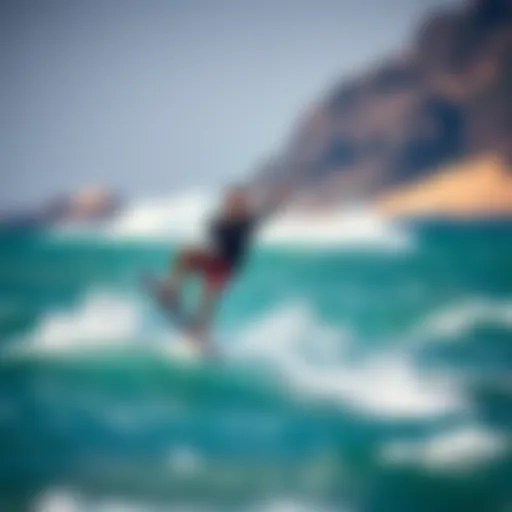
The Caribbean sports scene is booming, and kiteboarding sure stands tall among its attractions. With the sun-bleached beaches and gentle winds, it's no wonder this region has become a playground for both newbies and seasoned pros. The thrill of gliding across cerulean waters, combined with the warm tropical air, creates a perfect backdrop for kiteboarding. But this isn't just about catching some wind and waves; it goes way deeper. This article will help you grasp the nuances of kiteboarding in the Caribbean, covering gear essentials, key locations, safety guidelines, and the dynamic community that keeps this spirit alive.
Whether you're looking to steer your first kite or pull off some jaw-dropping tricks, understanding the ins and outs of the Caribbean kiteboarding scene is crucial for enjoying this exhilarating sport to the fullest.
Gear and Equipment
When it comes to kiteboarding, what you bring matters just as much as your skills. Selecting the right gear can not only enhance your performance but also contribute to your safety. Let’s dig into the essentials.
Essential Kiteboarding Gear: A Comprehensive Guide
For those just starting, the amount of gear available can feel dizzying. However, some basic equipment is necessary for everyone, especially in the dreamy Caribbean setting. Here’s what you should have:
- Kite: Opt for a kite that's suitable for your skill level. Beginners generally lean towards an all-rounder. For example, the Cabrinha Switchblade is well-regarded for its versatility.
- Board: Your choice of board significantly impacts your ride. A twin-tip board is usually favored by beginners. They are easier to control and handle.
- Harness: This piece connects you to your kite. A comfortable and fitted harness can make or break your experience. Make sure to try before you buy.
- Safety Gear: Always have a helmet and impact vest on! These items are vital, especially when you're still learning.
- Wetsuit or Shorty: Depending on the season, a wetsuit helps keep you warm and protected from rashes. The water feels nice and warm in places like Barbados, but a little protection never hurts.
Tip: When selecting equipment, check the local recommendations. Shops around kiteboarding hotspots are more than willing to help you find the best options based on local wind and water conditions.
Maintenance Tips for Kiteboarding Equipment
Having top-notch gear is just half the battle. Maintenance is the other half. Gear can take a beating, especially with the salty seawater and ultraviolet rays of the Caribbean sun. Here are a few tips to consider:
- Washing: Rinse your gear with fresh water after every session to remove salt and debris. This simple step can prolong the lifespan of your equipment.
- Storage: Keep your kites deflated and stored in a cool, dry place. Avoid leaving them in direct sunlight for extended periods.
- Inspection: Check for any damages or wear after your sessions. Look for frayed lines or leaks, and fix them before hitting the water again.
- Regular Care: Consider professional servicing, especially for kites. Many local shops offer repair services that can save you money in the long run.
"Kiteboarding is not just a sport; it's a lifestyle wrapped in the embrace of nature."
Proper gear and equipment not only elevate your kiteboarding experience but also ensure safety and longevity in your adventures. With these essentials sorted, you can focus on what really matters—enjoying the exhilarating ride beneath the Caribbean sun.
Understanding Kiteboarding
Kiteboarding, a thrilling blend of surfing, wind, and aerial maneuvers, has made waves across the globe, with the Caribbean standing out as a prime hotspot. Grasping the essence of kiteboarding is crucial, not just for newcomers looking to dive into the sport, but also for seasoned riders looking to refine their skills. This section aims to unpack the nuances of kiteboarding, discussing its significance and the many layers that define this exhilarating pursuit.
Defining Kiteboarding
At its core, kiteboarding is an action sport that marries the dynamic forces of wind and water. Riders use a large, controllable kite to harness wind power while riding a board across the water's surface. Here’s a breakdown of the main components:
- Kite: It acts as the engine, utilizing the wind to propel the rider. By adjusting the kite's position, users can control their speed and direction.
- Board: Similar to a wakeboard or snowboard, the kiteboard provides stability and control as the rider glides on the water.
- Harness: Worn by the rider, this piece of gear connects to the kite via lines and allows for better body weight distribution, making the ride smoother.
Overall, kiteboarding isn’t just about riding; it’s an art that encapsulates freedom, skill, and, at times, daring maneuvers. The allure lies in the adrenaline rush, the sense of flyin’ above the waves, and the community that rallies around this shared passion.
The Evolution of Kiteboarding Techniques
Kiteboarding has come a long way since its inception in the late 20th century. What began with rudimentary equipment and techniques has morphed into a sophisticated sport. Here’s a brief look at the evolution:
Early Techniques
In its infancy, kiteboarding was closely related to kitesurfing, primarily focusing on basic rides. Riders would simply hold onto the kite and navigate across calm waters. They mostly performed straightforward directional changes and limited jumps.
Advancements in Gear
With innovations in materials and design, newer kites became lighter and more responsive. This led to the birth of new techniques, such as:
- Jumping: Enthusiasts began experimenting, launching themselves into the air using power from their kites. Tricks like spins and flips opened a new world of excitement.
- Freestyle Tricks: This category expanded dramatically. Riders started incorporating complex maneuvers, featurin’ grabs and rotations that astonished spectators.
Current Trends
In recent years, the focus has shifted not just on skills but on sustainability and safety. Riders are now more conscious of environmental impact and look for eco-friendly gear and practices. Techniques continue evolving with technology advancements, allowing for even more intricate tricks that were once unimaginable.
"Kiteboarding combines the thrill of extreme sports with the beauty of nature, creating a unique experience on the water."
As the sport progresses, understanding its foundational aspects and evolution allows participants to appreciate both its history and future potential. Whether you’re just starting or looking to master advanced techniques, getting a firm grasp on kiteboarding is vital for both safety and enjoyment.
The Caribbean: A Kiteboarding Paradise
The Caribbean boasts breathtaking views, warm waters, and some of the most consistent winds in the world, which makes it a veritable haven for kiteboarding enthusiasts. This region isn’t just a collection of tropical islands; it represents a lifestyle, a community, and, most importantly, a playground for those who dare to feel the wind beneath their wings. Each island contributes its distinct charm that caters to both budding kiteboarders and seasoned pros, ultimately creating a rich avenue for adventure.
Why the Caribbean is Ideal for Kiteboarding
In the realm of kiteboarding, the Caribbean is often considered the crown jewel. The diversity of its landscapes from sandy beaches to tidal lagoons creates an array of perfect spots for riders of all skill levels. Most notably, the wind conditions here are favorable year-round, with trade winds that blow steadily, allowing riders to enjoy longer sessions without frequent interruptions.
Several factors make the Caribbean a prime kiteboarding locale:


- Stable Winds: The easterly trade winds provide consistency that’s hard to find elsewhere.
- Varied Conditions: From flat water in lagoons to waves in open ocean, there’s something for everyone.
- Warm Waters: The inviting temperatures mean no thick wetsuits; simply jump in and ride.
All these elements combine to create a thrilling kiteboarding experience that keeps riders coming back season after season.
Key Islands for Kiteboarding Enthusiasts
The Caribbean is dotted with numerous islands that cater specifically to kiteboarding. Here are some standout locations:
Barbados
Barbados, often known for its vibrant nightlife and rich culture, also serves as a kiteboarding hotspot. The island features the popular Silver Sands, which is renowned for its steady winds and friendly waves suitable for all levels. The waters here are typically warm and inviting, making it an excellent choice for beginners who may feel daunted by colder regions. However, the beach can get crowded during peak season, potentially leading to a more challenging riding experience due to mixed crowds.
Key Characteristics:
- Beautiful sandy beaches with good facilities.
- Events year-round that unite the kiteboarding community.
Puerto Rico
Puerto Rico is often a go-to for kiteboarders due to its variety of wind conditions and excellent infrastructure catering to water sports. Spots like Piñones offer incredible flat-water kiteboarding bliss, while the North Shore provides wave riding for more advanced thrill-seekers. On this island, the local community is strong, offering kiteboarding schools and group outings that help integrate newcomers into the sport and local culture. The downside is that certain areas experience high tourist volume, which may sometimes lead to busy conditions.
Key Characteristics:
- Wide range of riding spots for different skill levels.
- Eager local instructors that make learning easier.
Cuba
Though sometimes overshadowed by its Caribbean neighbors, Cuba presents unique kiteboarding opportunities that provide a genuine cultural experience alongside thrilling water sports. Locations like Cayo Guillermo feature flat waters and reliable winds, making it appealing for various kiteboarding activities. The island's vibrant culture offers a distinct backdrop, with friendly locals eager to share their traditions. However, certain logistical issues such as administration might deter some riders, but for those willing to embrace it, Cuba rewards with unforgettable scenery.
Key Characteristics:
- Exceptionally clear waters ideal for photography.
- Rich cultural experiences beyond just the sport.
Dominican Republic
The Dominican Republic serves as a kiteboarding paradise primarily due to places like Cabarete, famously known for its vibrant beach scene and world-class wind conditions. Cabarete Bay caters to both beginners and experienced kiteboarders, with a thriving community that frequently hosts competitions and events. Yet, it’s vital to be aware of the varying skill levels on the beach, which can lead to the occasional bump in the water. The positives, however, far outweigh this, given the sense of camaraderie amongst locals and visitors alike.
Key Characteristics:
- Regularly hosts international kiteboarding competitions.
- Dynamic beach atmosphere ideal for socializing.
The Caribbean represents much more than just a geographical connection of islands; it is a melting pot of skills, experiences, and friendships that make kiteboarding a truly extraordinary way to explore the beauty of this region.
In summary, the Caribbean stands out as a kiteboarding utopia, where every island offers unique features catering to the thrill of riders. Whether you're gravitating towards the steady winds of Barbados or the cultural away of Cuba, the variety and excitement are endless.
Essential Gear for Kiteboarding
Diving into kiteboarding demands a solid grip on your gear. The enjoyment and safety you experience hinge largely on the quality and suitability of the equipment you choose. A kiteboarder without the right gear is like a chef without knives—it's just not going to work out well. With the Caribbean's fierce winds and beautiful waters, selecting top-notch gear can mean the difference between an exhilarating ride or a long day battling the elements.
Kites: Types and Features
Kites are the heart and soul of this sport. They come in various shapes and sizes, each designed for specific wind conditions and rider abilities. Depending on your skill level and the wind conditions on a given day, you might find yourself reaching for a different type of kite.
- Inflatable Kites: These are the most common types, known for their buoyancy and stability. Perfect for beginners, they are easy to relaunch from the water, which can be a game-changer when you're still finding your rhythm.
- Foil Kites: Aerodynamically designed, these kites are filled with air and can provide exceptional performance in lighter winds. They're often preferred by advanced riders seeking speed and agility. However, their complexity might be a bit much for novice kiters.
- Depowerable Kites: Offering more control, these allow riders to adjust the power depending on the wind's intensity. This feature can help in day-to-day sailing where conditions are unpredictable.
When selecting a kite, consider its size as well. Larger kites catch more wind, making them suitable for lighter conditions, while smaller kites are beneficial for stronger winds.
Boards: Choosing the Right Equipment
Boards serve as the platform you ride on and are just as crucial as the kites themselves. Choosing the right board can significantly enhance your experience on the water. Here’s what you need to think on:
- Directional Boards: These are akin to surfboards and are perfect for wave riding. They allow for graceful turns and better maneuverability in choppy waters.
- Twin Tip Boards: These boards are symmetrical, providing flexibility for riding in both directions. Ideal for freestyle riders, they offer the versatility to try tricks and jumps with more ease.
- Large Boards: If you’re just starting, a larger board can provide stability and ease of use in light winds. Even advanced riders sometimes opt for larger boards when tackling big waves, helping them maintain control.
Consider the board’s material and construction as well. A lightweight board will help with better control and less fatigue over long sessions.
Safety Gear: Necessities for Protection
Underestimating the importance of safety gear could be a fatal mistake, literally and figuratively. Here are some essentials you shouldn’t skip:
- Harness: This helps distribute the load of the kite’s pull across your body. A good harness allows for adjustments and supports your back during long rides.
- Helmet: Protecting your head is non-negotiable. Falling kites, unexpected waves, or collisions can happen. Look for a helmet specifically designed for kiteboarding to provide maximum protection without compromising comfort.
- Impact Vest: This isn't just a fashion statement. An impact vest cushions falls and protects your ribs, particularly important if you’re pushing your limits.
- Footstraps and Boots: Depending on your riding style, these can enhance your grip on the board. While footstraps offer easier entry and exit, boots can provide a more secure fit for tricks and jumps.
In summary, having the right gear in kiteboarding isn't only about enhancing performance; it’s crucial for ensuring your safety. With the right kite, board, and safety equipment, you’re set to enjoy those Caribbean winds like a pro.
Optimal Conditions for Kiteboarding


Kiteboarding is an exhilarating sport, and it thrives on specific weather and environmental factors. To truly enjoy the ride, kiteboarders must recognize the importance of optimal conditions. This section explores the various elements that define the perfect setting for kiteboarding in the Caribbean, highlighting its benefits and considerations.
Wind Patterns in the Caribbean
The Caribbean is known for its reliable wind patterns that create thrilling conditions for kiteboarding. Trade winds, particularly the northeastern trades, consistently blow across the region, creating a playground for kiteboarders. These winds typically range from 15 to 30 knots, ideal for both beginners and experienced riders. It's essential to look for areas where these winds tend to funnel; places like the flat waters of the Dominican Republic are jewels in this regard.
Additionally, the wind tends to be steadier and more predictable in the summer months, making it easier to plan trips. However, kiteboarders should also stay alert to variations; sudden shifts and gusts can occur, especially near land. Familiarity with local wind patterns makes a world of difference in ensuring a safe and enjoyable kiteboarding experience.
Choosing the Best Time to Sail
Timing is everything when it comes to kiteboarding. To make the most out of this thrilling activity, one must understand seasonal variations and weather patterns.
Seasonal Variations
The Caribbean has a tropical climate, marked by two main seasons: the dry season and the wet season. The dry season, from December to April, generally features consistent winds and pleasant temperatures—often a preferred time for kiteboarding enthusiasts. During this period, winds are steady, typically averaging around 20 knots, providing ideal conditions for riders to test their skills.
However, it’s crucial to note that this is also the peak tourist season, which can lead to crowded beaches and busy kiteboarding hotspots. Hence, while the dry season is popular, timing a visit at the tail end could yield a perfect mix of strong winds and fewer crowds, as many tourists begin to leave after Easter.
- Key Characteristic: Consistent wind speeds
- Benefits: More ideal riding conditions
- Unique Feature: Less wind during the wet months, making it less favorable for kiteboarding but potentially good for other water sports.
Weather Patterns
Weather patterns greatly influence kiteboarding experiences. The Caribbean can suffer from the occasional tropical storm, especially during the hurricane season from June to November. But the islands also benefit from consistent summer temperatures and settle air, which tend to compliment kiteboarding very well during specific weeks.
It's wise for riders to keep an eye on long-range weather forecasts and local conditions. For example, sudden storms can arise quickly, disrupting what might have initially seemed like a perfect day for kiteboarding. It's not uncommon for newcomers to find themselves faced with unexpected weather conditions that can range from gentle rains to strong squalls.
- Key Characteristic: Varying weather conditions throughout the year
- Benefits: Can provide unique opportunities for experienced kiteboarders, but caution is advised
- Unique Feature: Awareness of sudden changes leads to safer riding and better planning
In short, understanding the wind and weather conditions that characterize the Caribbean's kiteboarding scene is vital. Making informed decisions about timing and location can substantially enhance the overall experience, allowing riders to enjoy the thrill of flying across the waves.
"Optimal kiteboarding conditions lead to safer and more enjoyable experiences, and knowledge about local patterns is the key to that success."
For more detailed information on weather patterns, you can refer to the National Weather Service and for kiteboarding conditions, Kiteboarder Magazine offers insightful articles and resources.
Safety Considerations
Kiteboarding, while exhilarating and full of potential for adventure, does come with its own set of hazards that every participant must recognize and handle with caution. When the wind is right and the sun is shining, it may be easy to forget just how quickly situations can shift. Thus, understanding safety considerations is paramount, not just for personal well-being but also for the enjoyment of the entire kiteboarding community. By being aware of potential risks and adopting best practices, riders can enhance their experience and, importantly, keep themselves and others out of harm’s way.
Understanding the Risks of Kiteboarding
Kiteboarding intertwines the wonders of wind and water, but it also presents inherent risks, some of which are quite serious. It’s essential to be mindful of these hazards:
- Weather Conditions: Sudden gusts and changes in weather can take even the most seasoned rider by surprise. It’s crucial to monitor forecasts and local conditions regularly.
- Malfunctioning Gear: Equipment failures, such as lines snapping or kites losing air pressure, can lead to dangerous situations. Regular inspections and proper maintenance of gear are indispensable.
- Water Hazards: Underwater rocks, coral reefs, and strong currents can pose unseen threats. Familiarizing oneself with the launch areas and possible hazards can save a lot of trouble down the line.
- Other Riders: With multiple participants on the water, collisions can happen, particularly in crowded spots. Being aware of one’s surroundings and maintaining safe distances from others is crucial.
"Preparation is key; kiteboarding won’t just be a rush of adrenaline if you’re out there mindfully."
Fundamentally, knowledge about these risks empowers riders to make informed decisions, thereby reducing the likelihood of accidents.
Best Practices for Safe Riding
Engaging in kiteboarding can transform your usual mundane beach day into something far more exhilarating. However, safety must always be of the utmost priority. Here are some best practices to preserve not just your life but the joy of the sport:
- Choose the Right Location: Opt for spots known for being safe; busy areas might be fun but can also be risky. Quiet beaches with clear entry and exit points might often be a wiser choice.
- Know Your Limits: All riders should stick to conditions that suit their skill levels. If the wind picks up and you’re not confident, it’s better to sit on the sidelines than take unnecessary risks.
- Wear Safety Gear: Wearing a well-fitted helmet and appropriate impact vest can make a difference in the event of a fall or collision.
- Buddy System: Kiteboard with a partner. Communicating with each other can be vital during emergencies. Plus, it’s great to share the adventure!
- Take a Lesson: If you’re still new to kiteboarding, consider getting lessons. Proper instruction will instill essential safety practices and elevate your skills.
By implementing these best practices, kiteboarders create a safer environment not just for themselves but for everyone enjoying the sport. Kiteboarding should be about embracing the thrill, not scrambling for safety. It’s completely about balancing caution with adventure to achieve the ultimate experience.
Building a Kiteboarding Community
Creating a thriving kiteboarding community is essential for enhancing the experience of both new and seasoned riders in the Caribbean. This community not only fosters friendships but also promotes knowledge-sharing, safety, and a shared passion for the sport. With diverse backgrounds and skill levels coming together, the kiteboarding scene becomes more immersive and enjoyable. A strong community cultivates connections that encourage collaboration and mutual support, enabling everyone to improve their skills and enjoy their time on the water.
Social Media and Online Groups
In today’s digital age, social media plays a pivotal role in connecting kiteboarders across the globe. Platforms like Facebook, Instagram, and Reddit serve as virtual playgrounds for enthusiasts to share experiences, tips, and more. Groups and pages designed specifically for kiteboarding bring together riders from various regions, including hard-to-reach locations in the Caribbean.
- Networking Opportunities: Members can find riding partners, share travel plans, and coordinate meet-ups, forging relationships that might lead to unforgettable kiteboarding adventures.
- Resource Sharing: Riders often post content, such as instructional videos or gear reviews, allowing others to benefit from their experiences.
- Event Promotion: Local competitions or community activities are frequently advertised, keeping everyone informed and engaged.
This digital connection isn’t just beneficial for individuals; it strengthens the kiteboarding community as a whole. Anyone new to the sport can seek advice and find mentorship, while seasoned pros can share their wisdom, creating a continuous cycle of learning.
Local Events and Competitions
Local events and competitions are lifeblood for fostering community spirit among kiteboarders. These gatherings not only showcase talent but also provide an atmosphere of camaraderie.


“Participation in local events is like hitting two birds with one stone: sharpen your skills and expand your connections.”
Participating in local competitions can be exhilarating and push riders to challenge themselves further. In addition to competitive spirit, events like these can include:
- Workshops and Clinics: Many events feature workshops where participants can hone specific skills under the guidance of expert instructors.
- Social Gatherings: Even if one doesn’t compete, attending these gatherings creates opportunities to meet others who share the same interests.
- Sustainability Initiatives: Many kiteboarding events incorporate environmental responsibility. This can involve beach clean-ups or discussions about preserving local ecosystems, showcasing community values.
Overall, local events not only fuel individual passion but reinforce the bonds within the kiteboarding community, underlining that enjoying the sport is just as important as improving at it.
Kiteboarding Schools and Lessons
Kiteboarding is not just a sporting activity; it's an experience that offers the thrill of wind, water, and the art of navigating the waves. With a growing popularity in the Caribbean, the importance of kiteboarding schools cannot be overstated. For both newcomers and seasoned riders, these schools serve as crucial gateways to mastering the craft. Lessons from experienced instructors can significantly enhance one's skills, ensuring safety and confidence on the water.
Choosing to enroll in a school can transform a novice's initial curiosity into a well-rounded proficiency. The structured guidance fosters an environment where learners can explore the complexities of kiteboarding without feeling overwhelmed. With specialized training, riders learn the technical aspects of the sport, from basic setups to advanced maneuvers, ensuring they’re prepared for a range of conditions.
Finding the Right School
When it comes to selecting a kiteboarding school, there are several factors to consider. Not all schools offer the same level of expertise and facilities. Here are some tips to help find the right one:
- Instructor Qualifications: Look for schools that employ certified instructors with good reputations. Their experience can be the difference between a safe lesson and a risky one.
- Reviews and Testimonials: Online reviews can provide insights into others' experiences. Look at what previous students have to say, and if possible, ask locals for recommendations.
- Location: Choose a school situated in a favorable kiteboarding area. Access to good wind and safe waters is essential for quality learning.
- Equipment Quality: The school should provide well-maintained kites and boards. Outdated or damaged gear can negatively impact the learning experience.
- Flexibility in Scheduling: Whether you have a strict itinerary or a relaxed schedule, a school that offers flexible lesson times can make the process much smoother.
Finding the right school can play a pivotal role in the overall learning experience, turning aspirations into expertise.
Types of Available Lessons
Kiteboarding schools typically offer various lesson formats tailored to different skill levels and learning preferences. Here are some of the common types:
- Beginner Lessons: Aimed at those with no prior experience, these lessons cover the basics – from setting up the kite to mastering the art of balance and ride. They often include safety training, which is crucial for first-time riders.
- Intermediate Lessons: For those who have some experience, these lessons can help refine techniques and introduce trickier maneuvers. Emphasis is often placed on improving control and expanding range of skills.
- Advanced Lessons: Designed for seasoned kiteboarders, advanced lessons often focus on tricks, jumps, and specific styles. Riders at this level work towards honing specific skills or preparing for competitions.
- Private vs. Group Lessons: Private lessons offer one-on-one attention, which can be beneficial for tailored learning. In contrast, group lessons provide a social environment, allowing students to learn from each other’s experiences.
- Specialized Courses: Some schools offer unique courses like freestyle, wave riding, or even specific courses for tight-kiteboarding. These can help riders break into niche areas of the sport.
As the kiteboarding scene continues to thrive, educational programs evolve to meet the demands of growing audiences. With the right school and lessons, anyone can embark on their kiteboarding journey confidently.
"Taking lessons not only improves your skills but also gives you a solid understanding of the sport's essence, making every ride more enjoyable."
For more information on kiteboarding, you might want to check out resources from Kiteboarding Association, discussions on Reddit, and community insights on social platforms like Facebook and discussions from sites like Britannica.
The availability of diverse lessons and schools showcases the robust kiteboarding culture established in the Caribbean, making the sport accessible and enjoyable for all.
Environmental Concerns in Kiteboarding
Addressing environmental concerns is crucial in the kiteboarding community, especially in fragile ecosystems like those found in the Caribbean. This region boasts vibrant marine life and delicate coastal environments, making it imperative for kiteboarders to understand their impact. As the sport gains popularity, the balance between enjoying the thrill and preserving nature becomes fundamental for sustainability. When riders take to the water, they are not only engaging in a sport; they are interacting with an ecosystem that needs protection.
Impact on Marine Life
Kiteboarding, while exhilarating, presents specific risks to marine species and habitats. The kites and boards themselves can potentially cause disturbances to underwater life. For instance, as riders navigate the waters, they might inadvertently drift over coral reefs, which are particularly sensitive to physical impact. Turtles, rays, and various fish can be startled by the presence of kiteboarders, disrupting their natural behaviors.
Moreover, the lines attached to kites can entangle marine organisms. A stray line floating in the water can pose a threat to unsuspecting animals, leading to injuries or fatalities.
"Protecting marine ecosystems requires awareness, responsibility, and action from every kiteboarder."
Ultimately, the long-term wellbeing of marine habitats and their residents hinges on the community's collective effort to mitigate these risks. Education becomes pivotal. By understanding the ecosystem and promoting responsible riding practices, the community can help to ensure that their beloved sport does not come at the expense of marine life.
Sustainable Practices for Riders
To minimize their footprint, kiteboarders can adopt several sustainable practices that align with environmental stewardship. Here are some strategies:
- Respect Local Rules: Always adhere to specific local regulations regarding kiteboarding zones. Some areas are designated as no-go zones due to their ecological significance.
- Educate Yourself: Learning about the marine environment can illuminate impressive facts about local species and habitats. This knowledge fosters greater respect and care.
- Avoid Shallow Reefs: Stick to deeper waters when possible to avoid damaging corals and habitats that would otherwise be unintentionally harmed.
- Clean Up: After a session, take time to pick up any trash or debris, ensuring that beaches remain pristine.
- Support Eco-Friendly Initiatives: Engage with local organizations focused on marine conservation, and consider joining beach clean-ups or similar events.
By implementing these measures, kiteboarders can enjoy the thrill of their sport while supporting the ecological health of the Caribbean. The onus is on everyone involved in this vibrant community to keep balancing passion with preservation.
The Future of Kiteboarding in the Caribbean
As the kiteboarding scene in the Caribbean continues to burgeon, the future looks remarkably promising for enthusiasts and newcomers alike. The region's combination of pristine locations and a community of passionate riders sets the stage for ongoing growth and evolution. Factors such as emerging technologies, sustainability practices, and changing rider demographics all play critical roles in shaping what lies ahead. To navigate this future effectively, it’s important to recognize not just the opportunities but also the considerations that come into play.
Emerging Trends and Innovations
Kiteboarding is not just a sport; it's a lifestyle that thrives on innovation. As we forge ahead, several trends are beginning to make waves:
- Development of Eco-friendly Equipment: The heightened awareness around environmental challenges has spurred manufacturers to invest in sustainable materials for kites and boards. Brands are focusing on biodegradable plastics and recyclable fabrics, potentially protecting the very environments that kiteboarders cherish.
- Increased Inclusivity: With advancements in adaptive kiteboarding gear, people with disabilities are finding their place in the sport. Programs across the Caribbean are paving ways for anyone to experience harnessing wind and water, thereby enriching the global community.
- Kiteboarding Communities through Technology: Mobile apps and digital platforms are enhancing connectivity among riders. Online forums, like those on reddit.com, enable practitioners to share experiences, gear reviews, and travel tips with a reach that transcends physical boundaries.
The shift towards greater inclusivity and sustainability not only strengthens the community but also promises a diversified future where more people can partake in the exhilarating ride.
The Role of Technology
Technology is fundamentally changing how kiteboarding is experienced. Here are several ways that tech influences the sport in the Caribbean:
- Smart Gear: New gadgets are emerging that help riders analyze their performance on the water. Devices with sensors can track speed, jump height, and wind conditions, giving personalized data that can enhance skill levels significantly.
- Drone Photography: Drones are becoming commonplace in capturing stunning visuals of kiteboarders in action. This not only preserves beautiful memories but also creates promotional content for brands and events. Riders can showcase their skills, which helps in attracting new participants and viewers to the sport.
- Virtual Reality Training: Believe it or not, virtual reality (VR) is stepping into the world of kiteboarding education. With VR simulations, beginners can practice techniques safely before hitting the waves, making learning more accessible and less intimidating.
"Technology is the kiteboarding equivalent of wind; it lifts us to new heights and keeps our passion soaring."
By embracing these technological advancements and responding to emerging trends, the future of kiteboarding in the Caribbean is set to be as vibrant and exhilarating as the sport itself. Riders can look forward to a landscape that not only offers thrilling experiences but also prioritizes sustainability and inclusivity.