Mastering Kiteboarding: Your Path to Success


Intro
Kiteboarding is not just a sport; it's a thrilling blend of wind, water, and skill that beckons enthusiasts from all walks of life. Whether you’re catching the breeze for the first time or looking to polish your existing skills, understanding the intricacies of this sport is essential. It’s a journey filled with enjoyment and challenges, where every session teaches you something new. In this guide, we'll explore essential gear, safety measures, techniques for all levels, and the vibrant community that makes kiteboarding more than just a pastime. Let's delve deeper into the fundamental aspects that can elevate your kiteboarding experience.
Gear and Equipment
Having the right equipment is crucial in kiteboarding; it not only influences performance but also impacts safety. Let’s break this down into more digestible parts.
Essential Kiteboarding Gear: A Comprehensive Guide
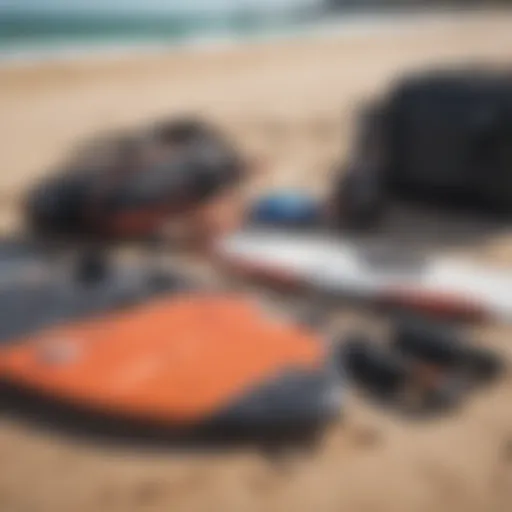
To start kiteboarding, you’ll need a solid set of equipment. Here’s a quick rundown of essential items:
- Kite: Choose a kite that matches your skill level and the wind conditions where you will be riding. Beginners often start with larger kites that are easier to control.
- Board: A kiteboard is your main tool on the water. There are different types, including twin tips and directional boards. Twin tips are typically more popular among beginners due to their versatility.
- Harness: This piece connects you to the kite while allowing freedom of movement. A good harness is comfortable and fits snugly.
- Safety Gear: Always wear a helmet and impact vest. Additionally, a quick-release system on your harness is advisable to ensure quick separation from the kite in emergency situations.
- Control Bar and Lines: The control bar should feel comfortable in your hands and allow for quick steering adjustments. Ensure lines are of adequate length – typically, longer lines are better for beginners.
These components come together to create a balanced kiteboarding setup. Investing in quality gear from reputable brands like North Kiteboarding or Cabrinha can make a significant difference in your learning curve.
Maintenance Tips for Kiteboarding Equipment
Taking care of your gear is vital. Here are some tips to keep your equipment in top shape:
- Rinse with Fresh Water: After each session, rinse your kite and board with fresh water to remove salt and sand. It extends the life of the materials used in the gear.
- Inspect for Damage: Regularly check your kite for tears or abrasions, and inspect lines for frays. Address any issues before they lead to greater problems.
- Store Properly: When not in use, store your kite in a cool, dry place, out of direct sunlight. Avoid leaving it in hot areas like a car.
- Use a Kite Bag: Protect your gear while traveling with a padded kite bag. It not only provides cushioning but helps keep everything organized.
Living by these maintenance tips will ensure your gear performs at its best, which can be a game-changer when you hit the waves.
Techniques and Skills
Once you have your gear sorted, it’s time to focus on the techniques that will take your kiteboarding skills to new heights.
Beginner Techniques to Get Started with Kiteboarding
Starting out, the key is to familiarize yourself with the kite. Here are a few beginner techniques:
- Kite Control: Learn how to steer your kite in the power zone. This is the area in front of you where the kite generates the most pull.
- Body Dragging: Before hitting the board, practice body dragging. This technique involves using the kite’s pull to drag your body through the water, which helps you understand its power.
- Water Start: Once comfortable with body dragging, progress to the water start. This means getting up on the board while managing the kite simultaneously - a challenging but necessary step.
Advanced Maneuvers for Seasoned Kiteboarders
For those who have mastered the basics and want to push their boundaries, consider these advanced techniques:
- Jumping: This requires perfecting your timing with the kite and board. Pull down on the control bar as you edge into the wind, timing your jump with the kite's upward movement.
- Tricks: Once comfortable with basic jumps, move onto tricks like the "Kite Loop" or "Handle Pass." These maneuvers require a good understanding of kite dynamics and body control.
- Freestyle Riding: This involves executing tricks on flat water and requires significant practice to ensure fluidity and style.
By honing these skills, you're not only enhancing your performance but also your confidence out on the water. Don’t forget, practice makes perfect, so ride whenever you can to keep improving.
Finale
Mastering kiteboarding takes time, dedication, and the right approach. With the right gear, maintenance, techniques, and community support, you can navigate through the learning path with ease. Engage in local kiteboarding groups, attend workshops, and keep challenging yourself to grow. Kiteboarding is an exhilarating adventure waiting for you, so gear up and get ready to ride the waves!
Understanding the Basics of Kiteboarding
Understanding the basics of kiteboarding is akin to laying a solid foundation before constructing a grand edifice. This sport, combining elements of surfing, paragliding, and sailing, offers both thrill and technical challenge. For beginners, grasping the fundamentals not only enhances safety but also accelerates the learning curve. Delving into kiteboarding’s core principles allows enthusiasts to appreciate its nuances, ensuring a more enjoyable experience on the water.
At its essence, kiteboarding involves harnessing the power of the wind to propel oneself across the water on a board. This unique blend of skill and exhilaration makes it critical for newcomers to first familiarize themselves with the equipment, safety protocols, and basic maneuvers. Developing this foundational knowledge instills confidence and lays the groundwork for more advanced techniques later on.
Many kiteboarders often cite their early days as both intimidating and liberating. Without a solid understanding of how the sport works, one might find themselves overwhelmed by the complexity of navigating wind dynamics, equipment choices, and safety measures. However, embarking on this learning journey with the right mindset can transform potential apprehension into eager anticipation.
"The thrill of witnessing your first successful ride or mastering a new trick is profoundly rewarding, but it all starts with the basics."
What is Kiteboarding?
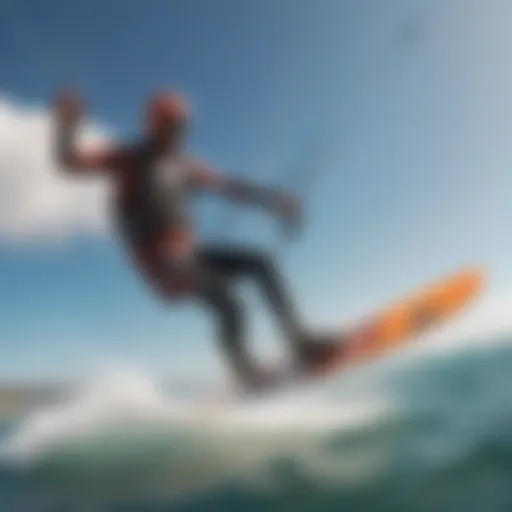
Kiteboarding, also referred to as kitesurfing in some circles, is a water sport involving the use of a kite to pull a rider across the surface of a body of water on a board. The kite is essentially a large sail, caught by the wind, and its movements are controlled by the rider through a system of lines and a control bar. Adapting the position and angle of the kite allows the rider to harness the wind's energy effectively.
The beauty of kiteboarding lies in its versatility. It can be practiced on a variety of water bodies, from oceans to lakes, depending on wind conditions, making it accessible in many regions. Riders can choose different styles—freestyle, waves, or racing—adding layers to the experience.
The History of Kiteboarding
The origins of kiteboarding trace back to the 1970s but gained significant traction in the late 1990s. Early pioneers experimented with kites and their propulsion potential for surfing and sailing, laying the groundwork for the modern sport we know today. The advent of inflatable kites in the 1990s marked a turning point, significantly enhancing safety and usability for riders.
In 1999, the first official kiteboarding competitions took place, further driving popularity. As the sport evolved, manufacturers began developing specialized equipment designed to maximize performance and safety, contributing to kiteboarding's boom in the early 2000s.
Today, kiteboarding is much more than a hobby for many. It has turned into a global phenomenon, with dedicated communities, competitions, and even professional careers evolving around it. Understanding where kiteboarding began helps enthusiasts appreciate how far it has come and the vibrant culture surrounding it.
Essential Equipment for Kiteboarding
When it comes to kiteboarding, the right equipment can make or break your experience on the water. It's not just about getting your hands on a kite and a board; it's about understanding how the various elements work together to boost your performance, ensure safety, and enhance your overall enjoyment of the sport. Gear selection is a vital cog in the wheel of learning, often determining progress and confidence levels as you navigate the waves.
Selecting the Right Kite
Choosing the right kite involves more than just picking the shiniest one at the shop. Size, aspect ratio, and type all play significant roles in your kiteboarding experience. For example, a larger kite catches more wind and lifts you higher, but it can be trickier to control. Conversely, a smaller kite provides nimbleness but might lack the power needed in lighter winds.
- Type of Kites: The primary types include inflatable (which are the most popular for beginners due to their stability) and foil kites (used by advanced riders for their efficiency).
- Size Matters: As a rule of thumb, beginners may want to start with a medium-sized kite that can handle a variety of wind conditions, usually in the range of 9 to 12 meters.
Selecting an appropriate kite not only boosts performance but also ensures you have the right tool to face the whims of Mother Nature.
Choosing the Appropriate Board
Your board choice can significantly influence your kiteboarding journey. Boards come in various styles, sizes, and shapes, each designed for different conditions and skill levels.
- Size: Generally, a larger board can make up for a lack of wind power, giving you a more forgiving ride, especially for beginners. Smaller boards offer better maneuverability, but they demand more skill.
- Twin-Tip vs. Directional: Twin-tip boards allow you to ride in both directions, making them the better option for those just starting out. Directional boards are typically favored for wave riding, catering to those with a flair for progression.
It's essential to pick a board that matches your skill level and intended riding style, as this choice lays the foundation for your growth in the sport.
Safety Gear Considerations


Safety gear is non-negotiable in kiteboarding. Whether you're an experienced rider or a novice, the right safety equipment not only protects you from potential accidents but also instills confidence to push your limits.
Harness Types
The harness is a crucial part of your kiteboarding kit, connecting you to the kite and allowing you to leverage its power without straining your body. Here are popular types:
- Waist Harness: This sits around your waist and is a preferred choice for many. It offers a greater freedom of movement which is suitable for freestyle tricks.
- Seat Harness: It fits around your thighs and provides excellent back support, making it a good choice for heavier riders taking on rough conditions.
Each type has its unique advantages, and your choice could depend on personal comfort and riding style.
Impact Vests
Wearing an impact vest can be a game-changer, especially for those practicing tricks or riding in challenging conditions. An impact vest cushions against falls, reducing the risk of injury.
- Breathable Materials: Newer models offer breathability and flexibility, which allows them to be comfortable even during extended sessions.
- Danger of Over-reliance: While they provide protection, riders should not become complacent, as impacts can still occur.
In sum, an impact vest is a vital component towards a safer ride, so it deserves a spot on your equipment list.
Helmets
Helmets might seem like an afterthought for some, but they are no less essential. They protect your head from unexpected impacts, particularly in turbulent waters or crowded areas.
- Fit is Key: A helmet should fit snugly but not be uncomfortable, providing adequate coverage without obstructing your vision.
- Weight and Ventilation: Lightweight designs with good venting help ensure you stay cool while navigating the waters at speed.
"The right gear doesn't only elevate your performance but also fortifies your safety. Equip wisely!"
Incorporating the proper equipment into your kiteboarding journey makes all the difference—it's about blending performance with preparedness to fully enjoy the exhilarating world of kiteboarding.
Preparing for Your First Kiteboarding Session
Before you dive headfirst into the world of kiteboarding, there's a bit of groundwork you must lay down. Preparing for your first kiteboarding session isn’t just about gear; it’s an intricate dance of selecting the right location and being mindful of the weather conditions. Tackling these elements properly will set the stage for a successful and enjoyable experience on the water, where both safety and learning curve are optimized.
Location Selection
Selecting the appropriate location for kiteboarding can make or break your initial experience. You want to look for spots where the wind flows like a smooth melody; there’s nothing worse than trying to learn in a gusty or turbulent area. Here are some factors to consider:
- Wind Consistency: Good spots often boast regular wind patterns, reducing the chance of sudden changes that can lead to mishaps.
- Water Conditions: Look for flat or mildly wavy water, which is ideal for beginners. Choppy seas might be exhilarating for seasoned riders but can be daunting for newcomers.
- Safety Zones: Make sure there are no obstacles such as rocks or swimmers close to your launch area. A clear zone allows for more focus on learning without the worry of collisions.
- Access to Instructors: If you're new, hunting down a place with certified instructors available can greatly enhance your learning. They provide guidance and cater to your personal skill level.
- Local Kiteboarding Community: Engaging with others can enrich your experience. A community often brings a wealth of knowledge about the best local spots and can offer invaluable advice from their own experiences.
Weather Considerations
So now that the location is settled, the next step is keeping an eye on the weather. But it goes beyond just checking the temperature; numerous factors play a critical role in your day on the water:
- Wind Speed: Ideal wind conditions for beginners typically range between 10 to 20 knots. Higher speeds can be intimidating and difficult to control for those just starting. Also, look out for sudden wind shifts that may take you by surprise.
- Weather Fronts: An impending storm can lead to unpredictable wind patterns. Understanding weather fronts, which are often visible through cloud formations, can be crucial. Always learn how to read the sky!
- Tides: Different locations experience their tides differently. Some bodies of water may be unsuitable at low tide, while others get better as the water rises. Know the tidal patterns of your chosen spot to ensure safe conditions.
- Temperature: While kite surfing is a summer sport for many, don’t forget to consider the water temperature. Too cold, and you risk hypothermia; too hot, and you can face heat exhaustion. Dress appropriately.
Choosing the right location and being aware of weather conditions set the foundation for a safe and successful first kiteboarding session. When you put time into prepping, it’s as if you’re lining up the dominoes just right; all it takes is that first push, and the rest will follow smoothly.
Learning to Kiteboard: Step-by-Step Approach
Learning kiteboarding is a thrilling journey that demands both patience and practice. A step-by-step approach gives aspiring kiteboarders a solid foundation, enhancing not only skills but also confidence on the water. Each technical aspect builds upon the last, ensuring that learners grasp the important safety measures, equipment handling, and body movements required.
Basic Kite Control Skills
Before you even think about gliding across the waves, mastering basic kite control is crucial. This is your first dance with the wind. You’ll develop the ability to steer and fly your kite, which is the heartbeat of the sport. Once you can handle the kite confidently, you're not just a novice who’s floundering; you're beginning to find your rhythm.
Key components of kite control include:
- Launching and Landing: Learning how to properly launch and land the kite is vital. Practice makes perfect here, as this could mean the difference between a smooth start or a tangled mess.
- Steering: Master steering the kite in different positions and understanding how movements affect its response. Moving the control bar toward your body sends the kite higher, while pushing it away brings it down.
- Power Control: Recognize the power zones, which are the areas in the sky where the kite generates the most lift. Learning how to navigate these zones allows for better control and prevents overpowering the kite.
These fundamental skills set the stage for the other techniques that follow. Like climbing the rungs of a ladder, no step can be skipped if you want to reach the top—a smooth ride on the water.
Water Start Technique
Now that you've developed your kite control, it's time for the next hurdle: the water start. This is where the magic happens. The feeling of being lifted off the water is like nothing else. The water start technique relies on the previous kite control skills buttressed with a proper stance and technique.
Here’s how to tackle it:
- Positioning: Start in the water with your board strapped to your feet. Your kite should be in the power zone, that's where the fun begins.
- Body Placement: Pull the control bar towards you while keeping your body weight centered over the board. It's not about how hard you pull but how well you position your body.
- Timing the Pull: As the kite starts to generate lift, it’s essential to coordinate your standing up with the kite's power. You want to stand and steer simultaneously to ride away smoothly.
Remember, it's all about trial and error. Each attempt refines your technique, inching you closer to that liberating feeling of riding smoothly.
Riding Direction: Regular and Goofy Stance
Kiteboarding, like riding a bike, requires you to find your comfort zone. Understanding your stance—be it regular or goofy—is integral. A regular stance means your left foot is forward when riding, but if you're goofy, it’s the right foot in front. Finding the right stance can drastically affect your balance and control.
Determining Your Stance:
- Regular Stance: If you naturally lead with your left foot when you move, you’re probably a regular rider.
- Goofy Stance: Conversely, if your right foot tends to come forward, then goofy is your game.
How to Test It:
- Kick or Slide: In a safe area, perform a slide or kick a ball. Your natural foot placement when you chase the object often reveals your dominant side.
- Practice Turns: Once on the board, practice turning in both directions. This will help you understand your body dynamics.
Choosing the proper stance not only enhances comfort but also enhances your overall kiteboarding experience.
By understanding these essential skills and techniques, you're not just a spectator waiting for a wave; you're preparing to join the exhilarating community of kiteboarders. Keep practicing, and you'll be weaving through the waves in no time, catching the wind just right.
Safety Measures When Kiteboarding
Kiteboarding is an exhilarating sport that offers the thrill of harnessing the wind while gliding over the water. Yet, with such adrenaline comes the necessity of vigilant safety measures. Understanding and implementing these precautions can greatly enhance one's enjoyment of the activity while minimizing risks. Each kiteboarding session can hold varying conditions, and being well-prepared can mean the difference between a memorable ride and a harrowing experience.
Understanding Power Zones
Power zones refer to specific areas in the sky where the kite generates maximum pull. When you're kiteboarding, recognizing these zones becomes second nature. Typically, the power zones are classified into three main areas: the zenith overhead, the edges near the wind window, and the sections where you experience the most force from your kite.


- Zenith Area: When the kite is directly above, the pull is minimized, making it a less powerful zone to control the kite. This is a great place for positioning yourself before starting to gain control.
- Edge Zones: In this region, the kite is at the periphery of your vision. The pull surges and ebbs as you steer your kite. Understanding the dynamics of these zones helps execute maneuvers fluidly.
- Powerful Lower Zone: Here lies the strongest pull. This area can rocket you across the water, so maintaining control is imperative. Proper positioning can ensure steady ride.
Recognizing these power zones not only aids in better control but also contributes significantly to your overall safety on the water. By noting where your kite is dragged within these zones, you can strategically manage your movements and avoid unintentional accidents.
Emergency Protocols
Emergencies can arise, and while the chances are minimal, having clear protocols can help you respond appropriately when situations devolve. This section will dive into essential actions you should take, focusing on two main aspects: depower techniques and self-rescue methods.
Depower Techniques
Depower techniques are vital skills that allow riders to reduce the power of their kite quickly. When wind intensity suddenly increases or if you find yourself in a compromised position, mastering depower can prevent unwanted accidents.
- Key characterisitc: The essence of depowering lies in your kite control system. By releasing tension on the control lines, you instantly dampen the kite's pull. This might come into play during gusty winds or unexpected turbulence.
- Benefits: This technique stabilizes your ride, allowing you to regain control. It's especially beneficial when approaching land or other obstacles.
- Consideration: While effective, the technique requires practice to become second nature. A misjudged depower could leave you airborne for longer than expected, trying to master this responsiveness can aid in emergency situations.
Self-Rescue Methods
Self-rescue methods are integral for any kiteboarder who wishes to be well-equipped for unforeseen circumstances. When your gear fails or if a situation renders you unmanageable in the water, self-rescue techniques can come to the rescue.
- Key characteristic: The approach typically involves securing your kite and using your board to paddle back to shore. This option enhances your safety and ensures you're not left stranded.
- Benefits: Understanding how to effectively manage your equipment and utilizing it to help you navigate back is crucial. These methods contribute significantly to your expertise and ability to enjoy the sport without unnecessary risks.
Community and Support in Kiteboarding
Kiteboarding is not just an individual sport. It thrives in a vibrant community that nurtures players of all skill levels. Underlining the concept of community and support in kiteboarding enhances both your learning journey and safety. When you connect with others, you can gain wisdom from shared experiences, improve your skills, and even make lasting friendships.
Having a network of fellow kiteboarders can also significantly decrease the steep learning curve, especially for beginners. Engaging with seasoned riders or instructors might allow newcomers to absorb techniques faster. In addition, the camaraderie within the kiteboarding community cultivates an atmosphere of encouragement and shared excitement for the sport.
Finding Local Kiteboarding Schools
One of the first steps in your kiteboarding journey is to locate a quality local kiteboarding school. These schools are invaluable resources, as they not only provide essential training but also help to ensure safety and proper technique from day one.
When looking for a school, consider:
- Certifications and Qualifications: Ensure the instructors are certified by recognized organizations such as the International Kiteboarding Organization (IKO) or similar.
- Reputation: Look up reviews, both online and offline. Websites like Reddit or local Facebook groups can provide insights into others’ experiences.
- Facilities: Check if the school offers modern equipment and suitable locations for nuanced learning.
While a search online may yield several options, exploring options in your area might bring next-level support. Often, these schools have tailored programs for various skill levels.
Joining Online Forums and Groups
Engaging with online communities is another great way to enhance your kiteboarding experience. Forums and social media groups, such as those found on Facebook or specialized threads on Reddit, can be goldmines of information.
Benefits of joining these platforms are manifold:
- Accessibility: Get advice, tips, and feedback from other enthusiasts around the globe.
- Event Alerts: Stay updated on kiteboarding events, competitions, or meet-ups to expand your circles.
- Skill Sharing: Learners can post videos and solicit input on their form and techniques, allowing for virtual coaching.
Many experienced riders enjoy sharing their knowledge, which can be invaluable. Therefore, seeking out these communities may yield allies and mentors for your journey in kiteboarding.
Joining forums and online groups opens doors to not only local support but a world of kiteboarding enthusiasts eager to share their experiences.
Progressing in Kiteboarding Skills
As you journey deeper into the world of kiteboarding, the idea of progressing in your skills becomes ever more significant. It's not simply about riding the waves; it's about mastering the art of kiteboarding and continuously pushing your boundaries. The journey of progression entails not just enhancing your technical capabilities but also cultivating a deeper connection with the sport and the community around it.
Freestyle Techniques
Freestyle kiteboarding is an exhilarating aspect that allows riders to express their individuality and creativity while harnessing the power of the wind. Mastering freestyle techniques can take your kiteboarding skills to an entirely fresh level, making it a crucial component of progression.
- Getting Started: Start small. Begin with basic tricks like the pop and grab. As you become comfortable, gradually escalate to more complex maneuvers such as spins and slides. It's all about building a solid foundation before leaping into the more challenging moves.
- Practice Makes Perfect: Find a suitable spot with smooth water where you can practice without distractions. Attempt different tricks repeatedly until they become second nature. Don't hesitate to record your attempts; it helps identify areas for improvement.
- Seek Feedback: Engaging with fellow kiteboarders can be immensely beneficial. Whether it’s through local kiteboarding schools or online forums at reddit.com, connecting with experienced riders may provide fresh perspectives and constructive advice.
Freestyle kiteboarding not only enhances individual skill sets but also fosters camaraderie among riders. That shared passion for unleashing one's creativity on the water can motivate you to conquer new heights.
Race and Course Navigation
Mastering race and course navigation opens doors to a completely different aspect of kiteboarding. This segment is less about freestyle flair and more about precision and strategy. It's a thrilling way to challenge yourself against other riders—testing not just speed but also your tactical approach.
- Understanding the Course: Preparation begins with a clear understanding of the race course layout. Familiarize yourself with waypoints and strategically plan your movements. Knowledge of the course will give you a competitive edge.
- Equipment Consideration: The right gear plays a vital role in your performance. Opt for a kite that fits your weight and strength to optimize your speed management during the race. Consult resources like kiteforum.com for discussions on recommended gear setups.
- Start Strong: The race start can set the tone for the entire event. Position yourself correctly relative to the wind and other riders, and don't underestimate the importance of timing. The wind can act unpredictably, so stay alert and adaptable.
Ultimately, perfecting racing and navigation skills cultivates a keen sense of awareness and decision-making during riding. This intense focus not only enhances the excitement but also elevates training levels.
"Progression in kiteboarding is not just about mastering new tricks; it's about continual growth, embracing challenges, and connecting with the community."
Kiteboarding Destinations Around the World
Kiteboarding is more than just a sport; it’s a way to connect with nature and experience the thrill of riding the waves. Choosing the right location to practice is crucial, as the best kiteboarding spots combine suitable wind conditions, safety measures, and breathtaking scenery. The destinations you select can greatly impact your learning speed and the overall enjoyment of the sport. Hence, it’s vital to consider various factors like local culture, safety regulations, and accessibility to facilities. This section offers insights into some of the best kiteboarding locations across the globe, helping you make informed decisions about where to pursue your passion.
Top Locations for Beginners
If you’re just starting out, the right venue can make all the difference. Here are a few prime spots that cater specifically to novices:
- Kite Beach, Cape Town, South Africa: This iconic beach boasts consistent winds and shallow waters, making it a favorite among beginners. The local kite schools are exceptional, plus the vibrant community offers a chance to meet fellow enthusiasts.
- Coloma, California, USA: Known for its sheltered waters and steady winds, Coloma offers a relaxed environment ideal for learning. The picturesque landscape, combined with the supportive local instructors, makes for a welcoming atmosphere.
- Tarifa, Spain: Often dubbed the "Wind Capital of Europe," Tarifa presents diverse conditions that beginners can navigate with the help of skilled instructors. Besides the wind, the local nightlife and friendly atmosphere provide enjoyable downtime after a long day of practice.
Key Considerations:
- Local Schools: Look for areas with accredited kiteboarding schools; they offer guided lessons that can accelerate your learning.
- Wind Conditions: Opt for spots known for steady, moderate winds for a gentler introduction to the sport.
- Safety: Ensure the area is monitored for strong currents and has lifeguard services available.
Advanced Spots for Experienced Riders
For those who’ve already mastered the basics and are eager to take their skills to the next level, the following locations challenge even seasoned kiteboarders:
- Cumbuco, Brazil: A hotspot known for its powerful winds, Cumbuco delivers thrilling flat-water conditions and wave riding opportunities. The friendly community and local competitions empower riders to push their limits.
- Hatteras Island, North Carolina, USA: With its diverse range of wind and water conditions, this location caters to advanced riders looking for both speed and jumps. The mix of ocean and soundside spots means there's always something new to explore.
- Dahab, Egypt: Known for its incredible turquoise waters and steady winds, Dahab attracts experts from around the world. The unique blend of flat-water lagoons and wave spots makes it a perfect training ground for advanced techniques.
Key Considerations:
- Spot Conditions: Research the seasonal wind patterns and water conditions before heading out.
- Local Competitions: Participating in competitions can be a great way to enhance your skills and meet other advanced riders.
- Community Events: Engage with local kiteboarding events to enhance your network of riding partners.


"Choosing the right kiteboarding destination is crucial. It not only boosts your learning but also enriches your overall experience."
Whether you’re a beginner or a seasoned pro, kiteboarding destinations around the world offer unique experiences and opportunities to grow your skills. As you plot your next adventure, consider the attributes that align best with your current skill level and aspirations.
For more on global kiteboarding spots, check resources like Wikipedia or join discussions on Reddit.
Explore, learn, and enjoy the breathtaking beauty of kiteboarding around the world!
Keeping Up with Kiteboarding Trends
Staying abreast of the latest trends in kiteboarding is crucial for all within this dynamic sport, whether they are seasoned veterans or novices. The rapid pace of innovation can enhance performance, improve safety, and ultimately elevate the overall experience of riding on the waves. Understanding emerging gear and shifting techniques keeps kiteboarders at the forefront, enabling them to adapt and refine their crafts effectively.
Here are some key points to consider regarding why this topic is important:
- Enhanced Performance: New gear can significantly improve how a kiteboarder performs in various conditions. Lighter materials can reduce fatigue, while advanced designs offer better control and maneuverability.
- Safety Improvements: With innovations often come improved safety features. Keeping up to date with the latest gear means being aware of built-in safety mechanisms, which can make a dramatic difference in ensuring a safe ride.
- Techniques Evolution: As the sport evolves, so do the techniques. New styles and methods of riding can emerge, influenced by the latest gear or even the innovative spirit of kiteboarders worldwide.
"Innovation in kites not only transforms the ride; it reshapes the entire experience of the sport."
Gear Innovations
Gear advancements are pivotal in kiteboarding, directly affecting the quality and safety of your riding experience. The kiteboarding industry has made swift strides in technology, focusing on materials, designs, and functionality. Some notable innovations include:
- Lightweight Materials: Kites now frequently utilize fabrics that are both ultra-light and durable. This shift enables longer sessions on the water without the weight dragging the rider down.
- Inflatable Kites: The rise of inflatable kites has changed the game entirely. Featuring easy transport and quick inflation, they provide added safety through balance and stability when traversing different water conditions.
- Smart Technology: With the integration of smart sensors in equipment, riders familiarize themselves with varying conditions through real-time analytics. Some systems can adjust wing shapes depending on wind conditions, enhancing the kite's responsiveness.
Regularly checking forums like reddit.com/r/kiteboarding can provide insights into user experiences with the latest gear.
New Techniques and Styles
As kiteboarding evolves, so do the techniques and riding styles. The emergence of new tricks and styles has garnered interest across communities, pushing riders to venture beyond traditional practices. Recent trends include:
- Freestyle Riding: This style emphasizes creativity, allowing riders to perform aerial tricks, spins, and jumps. As equipment becomes more specialized for this purpose, many are drawn to its artistic appeal and technical challenges.
- Wave Riding: Inspired by surfing, kiteboarders are increasingly exploring this style, which focuses on riding waves and utilizing the natural power of the ocean. This trend requires unique gear adaptations and technique adaptations.
- Park Riding: Similar to skiing or snowboarding, this technique allows riders to use obstacles and ramps, creating a playground on the water. It has gained traction as parks designed specifically for kiteboarding and enhancing rider creativity roll out across various locations.
To master these evolving techniques, enthusiasts can utilize platforms such as youtube.com or specialized kiteboarding lessons through schools.
Keeping up with such trends encourages adaptability, allowing kiteboarders to be equipped with the latest innovations. In doing so, they can ensure that their riding experience remains exhilarating and aligned with contemporary standards.
Maintaining Your Gear
Keeping your kiteboarding gear in tip-top condition isn’t just about preserving your investment; it's also about safety and performance. Careful maintenance will enhance the lifespan of your equipment and ensure that every session on the water goes smoothly. Understanding the different aspects of gear maintenance becomes crucial, as it can greatly influence your enjoyment and efficiency in the sport.
Cleaning and Drying
After a day of kiteboarding, the first order of business should be cleaning your gear. Salt water and sand can set like glue if you’re not careful. Start by rinsing your kite and board with freshwater to wash away any salt, sand, or grime. It’s like taking a shower after a long, sweaty run — it keeps things fresh!
- Rinse Your Gear: Use a hose or bucket to ensure all parts are cleaned. Don’t forget to flush out the air vents of the kite and any attachments, like lines and straps.
- Inspect for Damage: While cleaning, take a moment to check for any nicks, scratches, or tears. If you spot anything, it’s best to address these issues before they become bigger problems.
- Drying: Lay your kite and board flat in a shaded area, giving them a chance to dry completely. Never roll up a wet kite; that’s like putting a wet towel away — it’ll develop a funky smell!
- Storing Lines and Accessories: Lastly, make sure your lines and other accessories are dry. Hang them or lay them flat to avoid tangles and prevent any moisture from seeping in.
Adhering to these steps not only keeps your gear looking fresh but also ensures that you're set for your next adventure without any hiccups.
"Proper maintenance can extend the life of your kiteboarding gear for years, preventing costly replacements and ensuring reliable performance."
Storage Recommendations
When it comes to storing your gear, think of it as putting away your favorite shoes after a night out. You wouldn’t just toss them in a drawer, would you? Here’s how to store your kiteboarding gear properly, so it's ready when you need it:
- Use a Gear Bag: Invest in a good quality gear bag to protect your kite and accessories. This helps keep everything together and safeguards against dust or damage.
- Cool, Dry Place: Store your gear indoors in a climate-controlled environment. Extreme temperatures can cause materials to degrade. A garage or closet works, but avoid damp areas like basements.
- Avoid Direct Sunlight: Prolonged exposure to sunlight can weaken the materials over time. If possible, cover your gear with a breathable cloth to keep it out of direct sunlight.
- Kites Should Be Laid Flat: When storing kites, lay them flat and avoid folding them too tightly. If you must fold them, do it in a manner that helps maintain their shape (think of how you’d fold a delicate shirt, not crumple it!).
- Check Gear Regularly: Make it a habit to inspect your gear periodically, even when not in use. Look for any signs of wear or changes in material. If something looks off, it’s better to address the issue sooner rather than later.
In the end, how you maintain and store your gear can significantly affect your kiteboarding experience. Treat your equipment well, and it will return the favor, making every day on the water a thrilling ride!
Exploring Health and Fitness for Kiteboarding
Gaining proficiency in kiteboarding is not just about mastering the right techniques or having access to high-end gear; it’s also intimately tied to one’s overall health and fitness. A solid foundation in physical conditioning and nutrition not only enhances your performance but also minimizes the risk of injury. The essence of kiteboarding requires strength, balance, and endurance, making an understanding of health and fitness vital for anyone looking to excel in this thrilling sport.
Physical Conditioning
Physical conditioning is an umbrella term that covers various aspects of fitness, including strength, flexibility, cardiovascular health, and core stability. Each of these aspects contributes significantly to a kiteboarder’s ability to perform various maneuvers and maintain control on the water.
- Strength Training: Engaging in a regular strength training regimen is crucial. Exercises that target the arms, legs, and core are essential since kiteboarding relies heavily on these muscle groups. Pull-ups and push-ups can bolster upper body strength, while squats and lunges strengthen the legs.
- Core Stability: A sturdy core is the bedrock of balance and agility. Incorporating activities like planks and Russian twists into your routine can improve your stability on the board.
- Flexibility: Kiteboarding demands a range of motion that allows for spontaneous adjustments while riding. Yoga or dedicated stretching routines can enhance flexibility, allowing kiteboarders to maneuver their bodies effectively, particularly in challenging conditions.
- Cardiovascular Endurance: Maintaining good cardiovascular health will enable you to kiteboard longer and recover quicker between runs. Incorporate activities like running, cycling, or swimming into your weekly routines to boost your endurance.
In summary, a well-rounded conditioning program tailored to the demands of kiteboarding can elevate your performance dramatically. Building strong muscles, enhancing core stability, and improving endurance will set you up for success on the water.
Nutrition for Performance
Nutrition plays a critical role in achieving optimum performance while kiteboarding. Fueling your body with the right foods can make a world of difference, especially when out for long sessions.
- Balanced Diet: Prioritize a diet rich in whole foods that provide a balance of carbohydrates, protein, and healthy fats. Carbohydrates serve as your primary energy source. Whole grains, fruits, and vegetables should dominate your meals. They provide the necessary energy for those demanding sessions on the water.
- Protein Intake: Adequate protein is vital for muscle repair and recovery. Incorporating lean meats, legumes, or dairy products into your meals can ensure your muscles are ready for action.
- Hydration: Staying hydrated cannot be overstated, especially when kiteboarding under the sun. Keep that water bottle handy before and after your sessions to stave off fatigue and improve performance. Remember; even mild dehydration can reduce your reflexes and strength.
- Pre-Session Snacks: Consider nutrient-dense snacks before heading out, such as bananas or nut butters. These items can provide the quick energy you need without making you feel sluggish.
- Post-Session Recovery: After your kiteboarding adventure, focus on recovery nutrition. Consuming a combination of protein and carbohydrates post-exercise can help replenish glycogen stores and repair muscles—for example, a protein shake with a banana.
Adopting a mindful approach to your nutrition will not only enhance your kiteboarding performance but also support your overall health. When your body is fueled properly, the sky's the limit!
In kiteboarding, just as in life, it’s not just about how high you fly, but how well you prepare for the journey.
For further insights on kiteboarding health and fitness, you might find resources from Wikipedia or Britannica helpful. Joining online communities like Reddit or engaging with local kiteboarding forums can also open the doors to invaluable firsthand advice from seasoned enthusiasts.
The Environmental Impact of Kiteboarding
As kiteboarding continues to rise in popularity, understanding its environmental impact becomes increasingly important. This sport, like many outdoor activities, can leave its mark on natural areas. Recognizing both the positive and negative aspects helps practitioners enjoy kiteboarding responsibly. Not only does it ensure the longevity of the sport, but it also preserves the natural beauty that draws many to the water in the first place.
Sustainable Practices
Sustainability in kiteboarding embodies the ethos of minimizing harm while maximizing enjoyment. Here are some practices that kiteboarders can adopt:
- Eco-Friendly Gear: Opt for equipment made with sustainable materials. Some companies are beginning to focus on eco-friendly production practices. Choosing brands that prioritize the environment can make a significant difference.
- Leave No Trace: Adopting a leave-no-trace mentality is crucial. Whatever you bring to the beach should come back with you. This includes trash, broken equipment, or anything else that doesn't belong in nature.
- Respect Wildlife: Be mindful of local fauna and flora while kiteboarding. For instance, avoiding nesting areas during breeding season can aid in wildlife conservation. Observing the ecosystem from a distance ensures your excitement doesn’t come at the expense of nature.
- Promote Local Initiatives: Support local environmental groups working to maintain kiteboarding sites. Participation in beach clean-up days or workshops foster a sense of community and shared responsibility.
Protecting Coastal Areas
Coastal regions are particularly vulnerable to the impacts of recreational activities. Here’s how kiteboarders can help protect these essential ecosystems:
- Awareness of Erosion: Kiteboarding can contribute to coastal erosion. Understanding how to choose launch and landing sites can help mitigate this issue. Avoiding direct access to fragile dune areas is essential.
- Water Quality Monitoring: Engaging in advocacy for local water quality helps ensure the health of marine environments. Stay informed about water conditions and avoid kitesurfing in polluted areas. Reporting pollution sources can trigger necessary actions from local authorities.
- Collaboration with Local Governments: Participating in dialogues with local governments concerning access and conservation policy can produce beneficial arrangements for the sport and the ecosystem. It’s beneficial to be part of a larger conversation that looks at the longevity of both kiteboarding and coastal areas.
"It's not just about riding the waves. It's about protecting the playground we cherish."