Wing Foil Lessons: A Detailed Guide for Every Level


Intro
In the wide-open expanse of water, a new adventure in the world of sports awaits—wing foiling. Touted as a blend of kiteboarding, stand-up paddleboarding, and surfing, this emerging sport has captured the attention of thrill-seekers and nature enthusiasts alike. Whether you're a novice taking your first float on a foil or a seasoned rider aiming to master advanced techniques, understanding the nuances of wing foil lessons is essential. This guide will unpack everything from gear and equipment to techniques and community connections.
Here you'll find a roadmap to navigate your journey in wing foiling, ensuring you grasp the essentials that will allow you to ride the waves confidently. With a focus on key elements such as gear selection, effective teaching methodologies, and safety protocols, you will be well-equipped for your wing foiling experience.
Gear and Equipment
When stepping into the world of wing foiling, getting the right gear is like laying the foundation of a sturdy house. It’s crucial for both performance and safety. Not every piece of equipment finds its way onto a busy beach; some are more essential than others.
Essential Gear for Wing Foiling
The bare bones of your setup include:
- Wings: The centerpiece of wing foiling, these come in various sizes and designs. Knowing how to pick a wing that matches weather conditions and your skill set is key.
- Foil Board: The board should be buoyant enough to support your weight while providing stability. Look for boards specially designed for foiling.
- Foil Assembly: This consists of the mast, front wing, and rear stabilizer. A well-structured foil can significantly impact your control and maneuverability.
- Safety Gear: Helmets, impact vests, and foot straps are not just for show. They ensure your safety when you’re out in the water.
"Having the right equipment is half the battle won in any sport."
Maintenance Tips for Kiteboarding Equipment
Caring for your gear can extend its lifespan and improve performance. Here are some tips:
- Rinse After Use: Always rinse your equipment with fresh water after a session. Saltwater can be corrosive.
- Dry Properly: Do not leave your gear in the sun for extended periods. Excessive heat can warp your wings and boards.
- Regular Inspections: Check for wear and tear, especially on straps and foils.
Keep your gear in peak shape to avoid mishaps that could spoil your fun.
Techniques and Skills
With the right gear in tow, the next leap is mastering the techniques that will elevate your wing foiling. The learning curve might be steep, but patience and practice are your allies.
Beginner Techniques to Get Started with Wing Foiling
For newcomers, key techniques include:
- Balancing: Learning to balance on the board while holding the wing is fundamental. Start with small movements before progressing.
- Paddling: In the beginning, paddling out can be an effective way to get familiar with your board and foil before attempting to fly.
- Controlled Launch: Mastering how to launch your wing when the wind is right is crucial. Taking off gradually helps secure your position on the water.
Advanced Maneuvers for Experienced Riders
Once you become more comfortable, the real fun begins with:
- Jumps: Developing the ability to jump takes time and practice. Focus on timing and weight distribution.
- Turns: Sharp turns keep your ride exciting. Practice on flat waters before attempting them in waves.
- Tacks and Jibes: These advanced maneuvers require excellent control and can be rewarding once mastered.
Learning doesn't stop here. Join forums or clubs where you can engage with fellow kiteboarders; you'll find a wealth of knowledge shared among peers. Embrace the spirit of community that accompanies this sport, and immerse yourself in the thrill of wing foiling.
For further reading, check resources such as Wikipedia or explore community forums on Reddit to learn more.
As you embark on your wing foiling adventure, remember: every wave holds a new lesson, and your friends on the water are your strongest allies.
Understanding Wing Foiling
Wing foiling represents a combination of beach-chic aesthetics and cutting-edge wind sport technology that appeals to a wide variety of outdoor enthusiasts. Gaining a firm grasp of wing foiling forms the backbone of this comprehensive guide. We explore its unique aspects, benefits, and considerations crucial for both beginners and seasoned athletes keen on enhancing their prowess. The integration of knowledge about techniques, safety practices, and community initiatives will serve to foster a deeper connection to this remarkable sport.
Defining Wing Foiling
Wing foiling, at its core, involves the use of a handheld wing that captures wind and propels a rider above water on a hydrofoil board. This visual elegance of gliding above waves not only distinguishes wing foiling but also gives it its charm. It offers a sense of freedom not readily found in other wind sports, like traditional windsurfing or kiteboarding.
Unlike its counterparts, the wing allows the rider to maneuver freely without being attached to a fixed point, thanks to its lightweight nature and flexible design. Riders get to enjoy dynamic movement while mastering the art of balance and control. The wing itself comes in various sizes and shapes, catering to different wind conditions, rider weights, and preferences, making it an adaptable choice for diverse skill levels.
Historical Context
The genesis of wing foiling can be traced back to the early 2000s when innovations in hydrofoil technology and inflatable wing versatility came together. Initially, these components found their individual applications in sports like kiteboarding and windsurfing. However, it wasn't until more recently that the synergy of these elements gave rise to wing foiling as a standalone discipline.
Pioneers within this realm played significant roles in refining equipment and techniques that have shaped today’s experiences. This transformation reflects the broader evolution of outdoor sports—growing from niche activities into mainstream pursuits—while inspired by efficiency and ease of access.
Comparative Analysis with Other Watersports
When aligning wing foiling with other watersports, it’s only natural to highlight both its similarities and distinctions.
- Kiteboarding: Both kiteboarding and wing foiling share the aspect of harnessing wind for propulsion. However, kiteboarding ties the rider to their equipment through lines attached to a kite, while wing foiling promotes more freedom of movement.
- Windsurfing: Windsurfing relies on getting up on a board with a sail attached, which offers limited mobility. The capacity to switch from one orientation to another on a wing adds a layer of creativity that many find appealing.
- Surfing: While traditional surfing taps into existing waves, wing foiling allows riders to access flat water or less turbulent environments, thus opening a larger array of choices for location and conditions.
In essence, wing foiling is not merely a fusion of these existing sports—it stands as a testament to innovation in design and user experience. As the sport continues to grow, understanding its nuances becomes further pivotal for newcomers and veterans alike.
"Wing foiling is not just a sport; it's a fresh perspective on wind and water that unlocks new realms of adventure."
By dissecting wing foiling through these various lenses, enthusiasts can better appreciate its evolving role in the world of watersports.
The Essential Gear for Wing Foiling
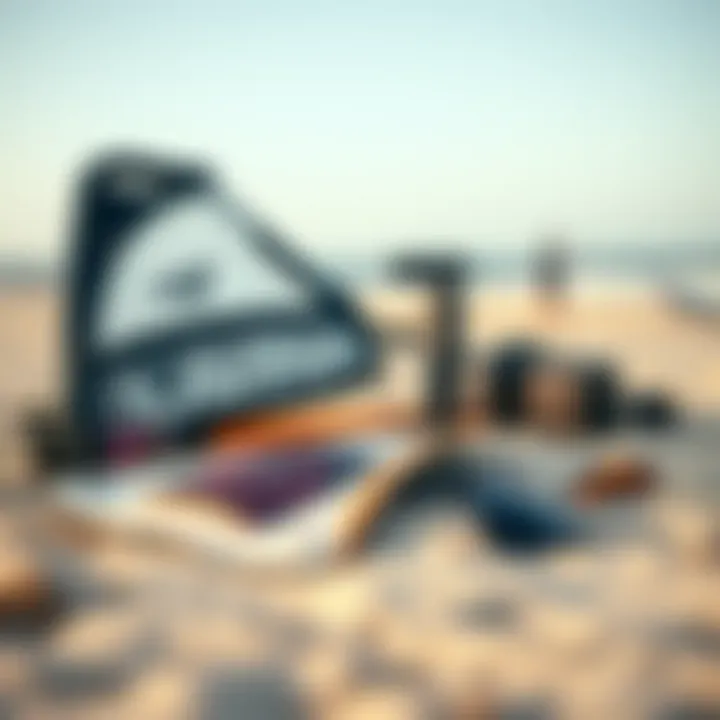
When it comes to wing foiling, having the right gear is key to enjoying the sport and mastering it. Each piece of equipment plays a crucial role in how well you can navigate the water and catch the wind, therefore understanding what you need and why is critical.
Wings: Types and Features
The wing itself is often the centerpiece of your setup. Nowadays, you can find a plethora of wings in various sizes, shapes, and materials. The sizes can vary widely, typically ranging from 2 to 8 meters, depending on your skill level and local wind conditions.
- Small wings (around 2-4 meters) are suited for high-wind days and skilled riders looking for agility.
- Medium wings (around 4-6 meters) offer a good compromise for intermediate learners, providing enough lift without overwhelming them.
- Large wings (6-8 meters) are ideal for beginners or those who enjoy lighter winds, offering steady lift to get you started.
Additionally, many wings come with features like adjustable handles and different control systems. The materials used also impact the performance significantly; for instance, wings made from ripstop nylon are known for their durability, while others might prioritize weight-saving materials. Picking a wing tailored to your specific conditions and ability will greatly influence your experience on the water.
Foils: Understanding the Technology
The foil system is where the magic happens, elevating you above the water’s surface. Traditionally, foils are composed of a mast, fuselage, and wings.
Understanding the configuration of these components is essential:
- Mast: The length of the mast affects how high you can ride. Longer masts can provide a smoother ride but might be harder to manage in choppy waters.
- Fuselage: This connects the mast to the front and back wings. Different lengths can influence your maneuverability and stability.
- Wings: Front and back wings come in various shapes that affect lift and drag. A bigger front wing offers more lift, which is great for beginners, while smaller wings create less drag for advanced riders aiming for speed.
Investing time into understanding how each component interacts can lead to an optimized setup tailored just for you.
Boards: Choosing the Right One
The right board can make or break your wing foiling journey. Boards come in different shapes and sizes, generally classified into two main categories:
- Freeride boards are versatile and suitable for all skill levels, offering stability and control.
- Performance boards, on the other hand, cater to experienced riders who thrive on speed and maneuvers.
Key factors to consider include:
- Volume: Determines buoyancy. More volume generally means better stability, essential for newbies until they find their footing.
- Width: A wider board gives better balance, but might restrict your speed. Narrow boards tend to be faster but require a bit more skill to balance.
- Materials: From foam to carbon fiber constructions, the weight and flexibility of your board affect overall performance. User preferences often dictate these choices.
Safety Equipment: Necessities
Safety is paramount in any sport, and wing foiling is no exception. Equip yourself with:
- Life jacket: A personal floatation device is a must. Go for something light and not restricting movement.
- Helmet: Protect your noggin, especially during early learning days when falls are more frequent.
- Leash system: Ensuring your wing is connected to your board helps prevent loss during wipeouts.
- Impact vest: While not essential, they can help absorb impacts when you're learning.
As the saying goes, "better safe than sorry." Investing in proper safety gear not only protects you but also boosts your confidence on the water.
In summary: Having the right gear influences not just performance but also safety and comfort while learning to wing foil. Understanding the options available and tailoring every piece to your specific conditions and skill level is what makes all the difference in this exhilarating sport.
Teaching Methodologies in Wing Foiling
When we talk about wing foiling lessons, the approach to teaching is crucial. The right methodology can make or break an individual's experience as they leap into the exhilarating world of wing foiling. It’s not just about getting on the board and flying over water; it’s about cultivating skills that would ensure safety, fun, and progress in this sport. Different methodologies cater to various learning styles and needs, making it essential for instructors to adapt their techniques accordingly.
Finding Qualified Instructors
The bedrock of effective wing foiling lessons lies in the instructors. Not all instructors are created equal, and finding the right one can feel like searching for a needle in a haystack.
- Experience Matters: Look for instructors who have a lengthy background with both the sport and teaching. Yes, they need to know their stuff! Look for genuine experience, not just a few weekends trying it out.
- Certifications: In an ideal scenario, instructors should possess relevant certifications from recognized organizations. This not only validates their teaching capabilities but also ensures they are knowledgeable about safety protocols.
- Teaching Style: Every learner is unique; spend some time observing whether the instructor's style resonates with your learning preferences. If they make complex concepts seem like child's play, that's a good sign.
Connecting with someone who has a reputation for patience and encouragement can make all the difference. Engaging with local wing foiling communities and forums, perhaps on platforms like Reddit or Facebook, can lead you to seasoned professionals eager to share their wisdom.
Effective Lesson Structures
An effective lesson structure is akin to a well-thought-out roadmap for a journey. Instruction should progress logically and efficiently, ensuring learners grasp core concepts before moving ahead.
- Warm-Up: Start each session with a relevant warm-up. This may include fundamental drills on the land or in shallow water. Whether it’s understanding the nuances of the wind or merely getting the feel of the wing, a solid beginning sets the tone.
- Skill Breakdown: Every lesson should focus on one main skill. Instead of overwhelming a novice with an entire repertoire, this approach allows the instructor to target key areas. For instance, the first session might simply be mastering the stance and control of the wing without attempting to foil.
- Feedback Loops: Implement systematic feedback mechanisms to enhance skills. Real-time feedback about stance, grip, and balance can vastly improve learning and retention.
- Closure and Reflection: At the end of each lesson, a recap of what was learned should take place. Discuss what worked and what didn't, and establish goals for the next session. This reinforces learning and keeps the motivation high.
Emphasizing Progressive Learning
Progressive learning can be thought of as laying down bricks for a strong structure; each skill builds upon the last, so mastery comes gradually.
- Start Simple: Rewind to the basics. Ensure learners can confidently hold the wing and get a grasp of balance on the board.
- Gradual Complexity: As students gain confidence, start introducing more complex techniques. This could involve switching up conditions or trying out new maneuvers, all while retaining a core focus on safety.
- Encourage Failures: One could argue that failing is a part of learning. Encourage students to take small risks as they learn; every tumble teaches a lesson, whether it’s about wind dynamics or body mechanics.
In summary, the methodologies employed in wing foiling lessons play a pivotal role in shaping one’s experience and skill development. Choosing a qualified instructor, structuring lessons effectively, and emphasizing a progressive learning path can lead to mastering a sport that offers not just thrill but also an appreciation for nature and personal challenge.
"The journey of a thousand miles begins with one step." - Lao Tzu
By focusing on these core elements, we can pave a way for both novice and accomplished riders alike, fostering a community centered on enjoyment and safety.
Safety Considerations for Beginners
When novices embark on the wing foiling journey, safety cannot be overstated. As exciting as it is to be out on the water, the unpredictable nature of both weather and water conditions can turn a pleasant outing into a dangerous situation quite rapidly. This section will scrutinize critical safety elements necessary for beginners to enjoy their wing foiling experience while minimizing risk.
Understanding the Environment
Before a beginner ever steps foot or, rather, board into the water, it’s essential to grasp the implications of the environment surrounding them. Understanding wind patterns, tides, and weather conditions makes all the difference. For instance, unfamiliar wind shifts can catch an inexperienced rider off guard, propelling them into hazardous waters or even leading to accidents.
- Learn About Wind: Focus on local wind patterns. Offshore winds can be alluring but may not always be safe, especially for beginners. Ideally, onshore winds are friendlier for newcomers.
- Watch the Tides: High tides can unveil more hazards underwater, while low tides can create unexpected shallow areas.
It is crucial to regularly monitor weather updates, utilizing resources such as NOAA or local weather apps to keep abreast of any changes. Safe surfing is savvy surfing!
Recognizing Hazards
When out on the water, various hazards may not be obvious until they present a problem. Beginners must develop an eye for spotting these potential dangers:
- Natural Hazards: Rocks, reefs, and submerged debris can cause serious injury and mechanical damage. It’s wise to scout the area before venturing out.
- Crowds: More people on the water means increased risk of collisions. While it can be social to ride where others are, maintaining distance can enhance safety.
- Equipment Failure: Ensure your gear is in tip-top condition. Regularly check for wear and tears, especially in the wing and leash, which can impact control significantly.
Beyond just observation, having good situational awareness when navigating through various conditions can prevent unfortunate incidents.
Protocol for Emergencies
Accidents are never planned, but having protocols in place makes it easier to manage them. Being prepared brings peace of mind:
- Know the Emergency Contacts: Familiarize yourself with local emergency numbers. In the U.S., for instance, the Coast Guard can be reached by calling 911 or through VHF radio.
- Carry a Safety Kit: A small waterproof bag containing a whistle, a flashlight, and a first-aid kit is always a good idea. Even if you don’t need them, having that peace of mind is priceless.
- Practice Self-Rescue Techniques: Each rider should know how to manage getting back to shore in case of a mishap. This includes the use of a leash to keep your board close and knowing how to signal for help by using your wing as a flag.
By embracing the above considerations, wing foiling becomes less daunting and more exhilarating. Knowing how to handle the unpredictability of the water not only enhances the experience but also creates a platform for learning and growth in the sport. Safety isn't just a precaution; it can be a springboard into greater adventures on the water.
"An ounce of prevention is worth a pound of cure." - Benjamin Franklin
For further information on water safety guidelines, check resources like CDC and local watersport safety forums on platforms like Reddit.
Importance of Choosing the Right Location
Selecting the right location for wing foiling can be compared to picking a stage for a grand performance; the right setting can enhance the experience dramatically. The importance of this choice cannot be overstated, as it influences your safety, enjoyment, and overall learning curve. Factors such as wind conditions, water clarity, and accessibility must all be taken into account to ensure a successful outing on the water.
Ideal Wind Conditions
When it comes to wing foiling, wind is essentially your partner. It’s vital to understand the nuances of wind patterns in your chosen area. Generally speaking, consistent, moderate winds—about 12 to 20 knots—are ideal for beginners and those looking to refine their skills. Too little wind can leave you stuck in a tough spot, while too much wind risks overwhelming novice riders.
Here are a few pointers for evaluating wind conditions:
- Wind Direction: Offshore winds can make for a safer and more enjoyable experience, while onshore conditions can increase the risk of accidents as you get too close to the shore.
- Wind Consistency: Look for areas where wind patterns are predictable. Consistency will help you focus on learning rather than battling unpredictable gusts.
- Local Forecasts: Always check local wind forecasts prior to hitting the water, as conditions can shift rapidly. Websites like Windy or apps like Windy provide real-time updates on wind conditions.
Understanding Water Conditions
Water conditions play a significant role as well when selecting a location. Calm, flat water can be incredibly forgiving, making it simpler for beginners to practice their skills without too much fear of falling. Conversely, choppy water may pose challenges that might intimidate newcomers. Important elements to consider include:
- Current: Strong currents can lead to unintended direction changes or even make it difficult to return to shore.
- Temperature: Water temperature can affect your stamina. Cold temperatures can cut a session short if you’re not wearing adequate gear.
- Obstacles: Look out for any submerged rocks or debris that could potentially become hazards during your session.
Being aware of these variables will not only enhance your experience but also help you avoid dangerous situations.
Accessibility and Amenities
Accessibility is a crucial element when choosing the right location for your wing foiling adventures. A spot that's hard to reach can cut into your precious time on the water. When assessing accessibility, think about:
- Transportation: How easy is it to reach the location? Look for spots with nearby parking and minimal travel barriers.
- Launch Areas: Are there designated launch areas where you can start your sessions safely and efficiently?
- Amenities: Consider the availability of facilities like restrooms, fresh water, or even changing rooms. Having these amenities can enhance your overall experience and comfort level on site.
Choosing the right location is not just about convenience; it sets the stage for successful learning and enjoyable sessions. By taking the time to evaluate wind and water conditions alongside accessibility, you put yourself in a position to thrive in the world of wing foiling.
“The right conditions make all the difference; wing foiling should be about freedom, not frustration.”
For additional exploration, consider checking resources like Reddit's Kitesurfing Community for local tips and insights on different locations offered by fellow enthusiasts, or visit Kiteboarding.com for specific spots you may want to try out.
Developing Skills in Wing Foiling
Understanding the progression of skills in wing foiling is crucial for anyone seeking to navigate the waters successfully. It's not just about hopping on a board and trying to fly; it's about gradually building confidence while mastering essential techniques. As one advances through the levels—from the basic to the complex—each stage offers a unique set of challenges and rewards. Fostering these skills not only boosts personal enjoyment but also enhances safety and interaction with the environment.
Basic Techniques: The Starting Point
Every sport has its foundations, and wing foiling is no different. Before you can carve through the waves or catch the wind effortlessly, you'll need to focus on some fundamental techniques. These basics set the stage for all that follows in your wing foiling journey.
- Posture and Balance: Finding the right stance is essential. Your knees should be slightly bent, feet shoulder-width apart, and eyes looking ahead while keeping the body aligned.
- Harnessing the Wing: Learning to control the wing by using your arms and body weight is fundamental. This means understanding how to angle the wing into the wind without overexerting your arms, as fatigue can set in fast.
- Starting from Land: Practicing on the beach or a calm water area allows for controlled experimentation without the unpredictable nature of waves or currents. Here, you can focus on holding the wing upright and learning to step onto the board smoothly.
As with any skill development, patience is key. Progress at your own pace and don’t shy away from asking for tips from more experienced foilers.
Intermediate Skill Development
Once you've got the basics under your belt, it’s time to challenge yourself further. Intermediate skills center on more dynamic movements and often involve a greater degree of control and coordination.

- Planing: This technique allows you to glide over the water effortlessly, using the wing to catch the wind effectively. It’s all about timing your movements and learning when to shift your weight.
- Turning and Jibes: Mastering the art of turning is essential. This doesn’t just involve pivoting but also adjusting the body's weight to steer effectively. It’s all about feeling the wind and adjusting intuitively.
- Tack: First learning to tack—a turn made by bringing the bow of the board through the wind—is a fundamental movement. Practice makes perfect, and it’s advisable to practice these rotations on a calm day to build confidence.
As you develop these skills, you might find opportunities to join local wing foiling meet-ups or clubs, where practice and community support are valuable for improvement.
Advanced Maneuvers and Challenges
At this point, you’ve worked hard and gained proficiency. The advanced stage of wing foiling takes your skills to new heights—literally and figuratively.
- Freestyle Tricks: If you're feeling adventurous, this is where the fun really begins. From jumps to spins, these maneuvers require not just technical ability but also a degree of creativity. Focus on one trick at a time, breaking it down into manageable parts.
- Downwind Riding: Understanding how to ride downwind while maintaining balance and speed adds another layer of skill. It often requires more skilled pressure management on the wing to avoid losing control.
- Conditions Handling: The final challenge is to learn to adapt and perform, even in varying conditions. Strong winds, choppy water, and environmental obstacles can all come into play. Being adept in these situations enhances both your skillset and confidence.
Embracing advanced maneuvers is more than just showing off; it's about fully experiencing the freedom that wing foiling offers. Each step in your journey builds upon the last, creating a robust skill set that reflects both your commitment and enjoyment of the sport.
"Skill development in wing foiling is less about speed and more about precision, control, and an instinctive connection with the wind and water."
Ultimately, developing your skills in wing foiling allows you not just to improve but to truly comprehend the nuances of this exhilarating sport.
The Role of Community in Wing Foiling
Engaging in wing foiling is not just about mastering the art of gliding atop water; it is also about fostering connections within a vibrant community. The role of community in wing foiling extends beyond simply meeting fellow enthusiasts; it touches every aspect of the sport—from sharing experiences to collaborating during competitions. For those starting out, or even seasoned riders, the communal aspect can be a crucial element in enhancing skills, safety awareness, and overall enjoyment.
Finding Local Groups and Clubs
Finding a local group or club can really make the difference between a solo endeavor and a shared passion. Many towns and coastal regions offer clubs dedicated to wing foiling, providing an informal yet structured way to engage with others. These groups often organize meet-ups, training sessions, and social events, making it easier for newcomers to jump in.
- Networking Opportunities: Connecting with local clubs opens doors to valuable networking opportunities. You might meet someone who can help you improve your skills or simply share tips from their own experiences.
- Resource Sharing: Clubs often have resources like gear rental options, equipment workshops, and skill classes that can significantly benefit new riders. Sharing gear can also alleviate the financial burden for beginners who might not want to invest heavily right away.
- Safe Spaces for Learning: Joining a local group creates a safer environment for learning. Newbies won't feel lost or overwhelmed when they can watch others and learn the ropes together. Instructor-led sessions typically provided by clubs ensure that everyone is on the same page regarding safety protocols and best practices.
Sharing Experiences and Knowledge
The sharing of experiences within the wing foiling community is invaluable. Many riders are eager to discuss their own journeys, including the bumps along the road. This exchange can happen through various mediums—forums, social media, or during informal gatherings. Having discussions on their challenges, triumphs, and tips can greatly enhance one’s own learning curve.
"In our community, every ride holds a story, and every story has a lesson. Sharing them enriches us all."
- Mentorship Opportunities: Experienced riders often relish the chance to mentor newcomers. This can provide massive benefits in terms of accelerating learning. Having a mentor can help you avoid pitfalls that they themselves encountered.
- Access to Diverse Perspectives: Each rider brings unique experiences and insights to the table. Whether it’s about equipment preferences or riding techniques, discussing these differences can deepen understanding and broadly improve skills.
- Inspiration and Motivation: Hearing about the journeys of others can inspire riders to push their limits or try new techniques they wouldn’t have previously considered. The collective power of community can raise individual excitement levels.
Competing and Collaborating
While wing foiling can often be a solitary sport, community activities such as competitions and collaborations can profoundly shape the experience. These engagements bring out a spirit of camaraderie that is essential for the growth of any sport.
- Friendly Competitions: Local contests can motivate riders to challenge themselves, whether they're novices or experienced hands. Participating in these events helps build confidence and encourages learning through a little friendly competition. They often create an atmosphere of encouragement rather than pressure, letting everyone shine at their own pace.
- Collaborative Learning: Skill development doesn’t always need instructors; a collaborative learning approach is also effective. Pairing with other riders to practice skills can lead to discovering new techniques or strategies. Working together allows for constructive feedback and mutual support.
- Community Events: Organizing community events, be it for racing or festivals, can bring together a larger audience. These events might focus on sustainability in the sport or innovations in gear, which fosters a sense of shared responsibility for both the community and the environment.
In essence, the community within wing foiling acts as both a support system and a catalyst for growth. Engaging with others through groups, sharing experiences, and participating in collaborations can enhance the overall wing foiling experience, making it both memorable and enriching.
Environmental Considerations in Wing Foiling
Wing foiling is not just a sport; it’s also an interaction with nature. As riders glide over water and harness the power of the wind, it’s vital to acknowledge the environmental impact and adopt responsible practices. This section emphasizes how respecting the environment enriches the sport while ensuring its sustainability for future generations.
Respecting Natural Habitats
Understanding the ecosystems we ride in is crucial. Each waterway, each beach, harbors its own unique flora and fauna. For instance, certain coastal areas are nesting grounds for endangered species like sea turtles. When launching or landing your gear, be mindful of such habitats to minimize disturbances. Simple actions, like keeping a safe distance from wildlife and following designated paths when accessing the water, can make a big difference.
Moreover, communication with local conservation groups can provide insights into best practices for minimizing your impact. Engaging in volunteer clean-ups or participating in programs that educate riders about marine biodiversity can create a deeper connection between the sport and the environment.
Sustainable Practices in the Sport
Sustainability in wing foiling doesn’t just mean protecting habitats; it also covers the gear we use. In recent years, manufacturers like Duotone and Naish have started to incorporate environmentally friendly materials into their products. Opting for gear made from sustainable materials not only helps reduce waste but also promotes a culture of environmental consciousness in the sport.
Furthermore, consider these sustainable practices:
- Choose Second-Hand Gear: Engaging in platforms like Facebook Marketplace or local wing foiling clubs can lead to finding quality used equipment, reducing demand for new production.
- Limit Your Travel: Instead of hopping from one hotspot to another, find local locations where you can practice and enjoy. This can reduce your carbon footprint and strengthen your connection to local waters.
- Educate Others: Share your knowledge about respectful practices within the community. Workshops or informal chats at the beach can inspire others to be more considerate of their surroundings.
By nurturing a mindset of consciousness, wing foiling enthusiasts can ensure that they are not just participants in a thrilling sport, but also stewards of our fragile ecosystems.
Through these collective efforts, we can keep the coastlines pristine and the oceans abundant, allowing the joy of wing foiling to be passed down through generations to come.
Future Trends in Wing Foiling
Wing foiling, a thrilling fusion of sailing and surfing, is on the cusp of revolutionary changes that promise to reshape the landscape of the sport. Understanding these future trends is essential for enthusiasts, whether you’re a kiteboarder, outdoor aficionado, or a sports instructor looking to enhance your skills and knowledge. As innovation continues to blossom, keeping an eye on the horizon will ensure you stay ahead of the curve and fully enjoy what this sport has to offer.
Technological Innovations
The rapid pace of technological advances significantly impacts the world of wing foiling. New designs and materials are coming into play, elevating performance and safety for the rider. Companies are introducing lighter wings that maintain rigidity, ensuring stability and responsiveness. Just as important, advancements in hydrofoil technology contribute greatly to riding performance. Features such as adjustable foils and interchangeable wings are becoming the norm, allowing riders to customize their setups based on personal comfort and riding style.
- Materials Science: The use of composite materials creates robust yet lightweight foils, enhancing maneuverability without sacrificing strength.
- Smart Tech Integration: Increasingly, boards are being equipped with sensors that provide real-time feedback on speed and stability, helping riders adjust their techniques instantly.
- Sustainability Focus: Manufacturers are now exploring eco-friendly materials, showing a commitment to preserving the very environments that we cherish when pursuing our sport.
These innovations are not only enhancing the rider experience but are also making wing foiling more accessible to newcomers. As technology progresses, staying informed about the latest gear and techniques can make a world of difference.
Emerging Communities and Events
As the sport gains momentum, communities and events are springing up across the globe, offering avenues for enthusiasts to engage, learn, and socialize. From informal beach meetups to competitive events, the sense of camaraderie is palpable.
- Local Clubs: Joining a local wing foiling group can greatly enhance your learning experience. These clubs often organize social events and workshops, where seasoned riders share valuable tips with novices.
- Competitions: Local and international competitions foster a spirit of friendly rivalry and push riders to refine their skills. Keep an eye on events via platforms like Reddit and Facebook, where groups often discuss upcoming contests.
- Workshops and Clinics: Many established riders host workshops to teach advanced techniques, providing a unique opportunity for skill advancement in a supportive environment.
As communities grow, they facilitate knowledge sharing and collaboration that benefits every participant, making the journey of mastering wing foiling far more enriching than if pursued alone.